
HOOD RIVER — An Oregon district attorney faced a rare rebuke from a judge in the case of a 16-year-old accused of murder in the January shooting of another man at a Hood River apartment complex.
Circuit Judge Karen Ostrye found Hood River County District Attorney Matthew Ellis failed to turn over evidence that could potentially help the teen’s lawyer defend him.
“I do find that the discovery violations have been significant and the defendant has been prejudiced by those,” Ostrye ruled from the bench.
Ostrye ordered the pre-trial release of the teenager, Joseph Hocha, as a result.
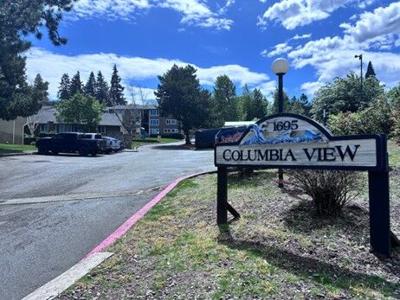
Hocha had been arrested nearly two weeks after the early morning shooting of Yahir Castillo Alvarez, 21, in the parking lot of the Columbia River View apartment complex on Jan. 17.
Hocha is accused in Hood River County Juvenile Court of murder, first-degree manslaughter, unlawful use of a weapon, possession of a firearm, recklessly endangering another person, menacing and second-degree disorderly conduct.
The shooting occurred after two groups of young men met for an arranged fight, according to court records and testimony, but investigators haven’t publicly identified a motive.
The 16-year-old had been held for almost three months while Ellis failed to meet two deadlines set by judges to provide all the case evidence to the teen’s lawyer, according to court testimony and the judge’s ruling.
Rebecca Schaleger, the teen’s lawyer, told the judge that she was missing autopsy information, police body camera footage and cellphone data, among other evidence.
Court testimony also indicated an investigator for the defense discovered credibility issues with a key witness who reported that the 16-year-old fired the deadly shots. The witness left the scene after the shooting and then returned, falsely claiming he had been wounded, according to testimony.
Schaleger said that information wasn’t included in any police report. Instead, she said, her investigator picked it up while listening to an officer’s body camera audio as he walked past other officers talking about it.
Investigators believe there was a second gunman that morning, according to police and court records, and issued a warrant for the arrest of another man, 30-year-old Noel Hernandez, wanted on second-degree murder and first-degree manslaughter charges in the shooting.
Ellis told the judge that the case is complex and that his office hasn’t been able to obtain all the evidence from officers who work for different agencies as part of the Columbia River Major Crimes Team.
He said his office also is significantly understaffed with one legal secretary who handles the discovery evidence, making it difficult to meet the more demanding deadlines of a juvenile murder case. Another legal secretary’s job is vacant.
Ellis argued that Schaleger had most of the crucial evidence and that police hadn’t yet shared all the material with his office. The documents or videos that she’s missing are “not the essentials” in the case, he said at an April 17 hearing.
“She has the meat and potatoes,” he said. “This is just the defense trying to showboat here for a trial that’s months away.”
The judge rejected Ellis’ argument.
“The problem is, Mr. Ellis, you’re the only one that has made that determination about the importance of the discovery and the Constitution doesn’t talk about ‘meat and potatoes,’” Ostrye said.
Under a 1963 U.S. Supreme Court ruling in Brady v. Maryland, prosecutors have a duty to disclose any evidence before trial that could be potentially favorable to the defense.
A subsequent 1972 ruling by the U.S. Supreme Court in Giglio v. United States expanded that duty to include any material that could be used to impeach the credibility of a government witness. Prosecutors also are responsible under the Constitution for disclosing potentially exculpatory evidence to the defense, even if police fail to turn over the evidence to their office.
The judge also rejected the district attorney’s motion to waive the teenager’s case into adult court, citing concerns about Ellis’ motive.
“I think the motion was filed for the purpose of delay,” Ostrye said.
Ellis urged the judge to explain her reasoning on the record in court.
The judge first shot back that she rules “the way I see fit,” but then explained that she had concerns about Ellis’ prior statements in court when the defense asked the court to set a detention hearing and speedy trial date.
Ellis responded that he was going to be away on vacation or returning just a day before the proposed trial date.
Though he said during a late February hearing that he typically opposed waiving juveniles into adult court, he threatened that he would waive the case to adult court if he continued to get “pushed” to set an early trial date, the judge noted.


Commented