This is the fifth and final installment in a series of press releases from Mid-Columbia Community Action Council (MCCAC). Since February, this series has offered an in-depth look at the programs and partnerships that make up MCCAC’s work across Hood River, Wasco, and Sherman counties. From utility assistance and emergency shelter to disaster recovery and Veterans housing, MCCAC has spent six decades building a community where no one faces hardship alone. This final commentary reflects on what that work looks like in practice — and who it is ultimately for.
When the Rowena Fire destroyed at least 58 homes last summer, MCCAC mobilized quickly, drawing on its founding mandate as a Community Action Agency to meet the community where it is. Since then, MCCAC has supported 45 fire-affected households, 28 of whom have successfully transitioned into stable, long-term housing. A dedicated recovery coordinator continues to guide survivors through every stage of the process. Rowena Fire survivors who have not yet connected with MCCAC are encouraged to reach out at rowenarecovery@mccac.com or 541-965-2169.
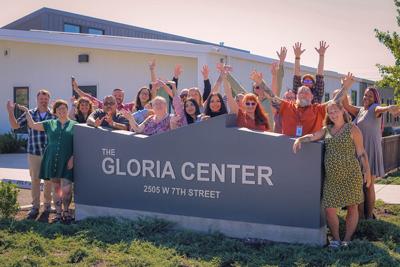
MCCAC’s Supportive Services for Veteran Families (SSVF) Program, funded by the U.S. Department of Veterans Affairs, reflects that same commitment to those who have served our country. The program provides case management and ongoing housing support for low- and no-income veteran households at risk of or experiencing houselessness. MCCAC also operates The Hamilton, a nine unit affordable housing facility in The Dalles dedicated to formerly homeless veterans. Veterans and their families can learn more at www.mccac.com/veterans or by visiting The Gloria Center at 2505 W. Seventh St.
The impact of MCCAC’s transitional housing program, The Annex, is equally significant. Since opening The Annex in August 2023, MCCAC has helped 129 Annex clients transition into permanent housing and has served a total of 420 clients at the facility — a powerful testament to what wraparound supportive services can accomplish when paired with stable shelter.
Across these efforts runs a broader truth that MCCAC has long understood: lasting change requires collaboration. In 2022, MCCAC and Washington Gorge Action Programs (WAGAP) co-founded the Mid-Columbia Houseless Collaborative (MCHC), a coalition of nearly 40 organizations and local governments spanning five counties in Oregon and Washington. The Collaborative is building a regional infrastructure for ending houselessness — one that is coordinated and equity-centered. Its newest initiative, the Roots and Reach Alliance, brings together frontline staff from across the region each week to build shared tools and reduce the barriers that can leave people without the support they need.
At the heart of the Collaborative’s work is a commitment to centering the voices of people who have lived through houselessness. The Lived Experience Work Group — which meets monthly to advise on improving regional service coordination — has produced an ongoing Video Stories Project, a series of personal testimonials that put real faces and real stories in front of the region’s housing crisis.
In the most recent video, “Housed after 10 Years of Houselessness: Erik and Rachel’s Story of Hope,” Erik and Rachel reflect on what it means to find housing and begin rebuilding a life, offering an honest account of the human cost of housing insecurity and the difference that coordinated care can make. In another video, a community member shares their personal experience navigating houselessness in the Mid-Columbia region — the isolation, the barriers, and ultimately the path toward stability with support from local programs.
Together, these stories do what data alone cannot: they invite the broader community to understand houselessness not as an abstraction, but as a lived reality that demands a compassionate, sustained response. The Video Stories Project series is available at www.mccac.com/data-reports.
MCCAC and the Collaborative are grateful to each person who has courageously shared their story in service of this work. A special thank you to Immense Imagery for producing these video stories.
As this series comes to a close, MCCAC wants to be clear: the work does not end here. Community change is generational, and the challenges facing our neighbors — housing instability, the effects of disaster, the needs of those who have served our country — require sustained partnership, honest conversation, and continued investment. MCCAC is grateful for the organizations, funders, volunteers, and community members who make this work possible, and for the individuals who trust us with their most pressing needs.



Commented