
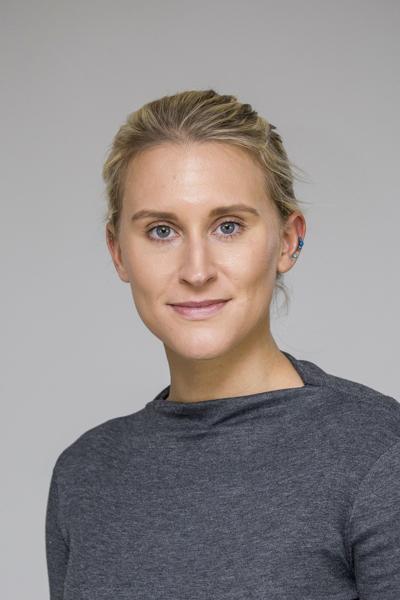
Resilience Network of the Gorge, a grant-funded project with the Mid-Columbia Center for Living, is working to create a more trauma-informed, resilient community.
“Resilience happens on individual levels and structural levels,” said Project Director Claire Ranit, and one of the first steps is building awareness around stress, trauma and resilience.
The project’s goal is “to create a more resilient community by spreading knowledge on the neurobiology of stress, adverse childhood experiences and resilience, while supporting community organizations to come together to integrate trauma informed practices in their work,” said Ranit.
Trauma Informed Practices (TIPs), defined on the Resilience Network’s website as “a program, organization, system or person that is trauma-informed, realizes the widespread impact of trauma and understands potential paths for resilience; recognizes the signs and symptoms of trauma in clients, families, staff and others involved with the system; responds by fully integrating knowledge about trauma into policies, procedures and practices; and seeks to actively resist re-traumatization.”
Trauma often stems from adverse childhood experiences (ACEs) but doesn’t necessarily mean a single traumatic event; instead, it’s defined as anything that causes distress, and includes societal conditions such as sexism and racism.
“So, what I love doing is normalizing human reactions that we often judge … (but) it doesn’t excuse, permit or justify unacceptable behavior,” she said, adding that, once we understand what could be driving the behavior, boundaries, accountability and empathy are key parts of TIPs and resilience.
Though TIPs are essentially the same as Trauma Informed Care, the more publicly-recognized term, the name was changed after community feedback. “For a lot of folks, the word ‘care’ is a barrier to entry implying some intervention is taking place,” whereas “practice” is a more active word and implies empowerment, Ranit said.
She describes the Resilience Network as a “community project” and said that the community has largely shaped what it is today, particularly in regard to the language surrounding the project.
Another notable language change is “path to recovery,” which was changed to “path to resilience” because “people don’t want to just bounce back, they want to bounce higher,” she said, so the next challenge they face doesn’t knock them down so far.
Ranit took charge of the Resilience Network in March 2015 and is currently its only dedicated staff member. Her office is contracted to do work in Hood River, Wasco and Sherman counties; and she also partners with organizations on the Washington side of the river.
“My goal with the work is to just create a more trauma-informed, resilient community,” Ranit said.
The program itself started in 2011 and was initially funded by a Safe Schools Healthy Students grant. Different grants have supported the effort over the last seven years and is currently funded by two grants: Mental Health Prevention and Promotion grant funding awarded by Oregon Health Authority to Mid-Columbia Center for Living, and a PacificSource Community Health Excellence grant.
The program is now housed under Mid-Columbia Center for Living.
Ranit leads five two-day trainings per year on TIPS and the Sanctuary Model, which “provides a structured framework and tools for implementing TIPs,” Ranit said. “You don’t have to have a model to do trauma informed practices, it’s just some people like very concrete tools and activities.”
The next of these trainings will be held Jan. 10-11 at the Hood River Fire Department and, because the program is entirely grant-funded, it is free to attend.
The Resilience Network also hosts learning collaboratives (LCs) in Hood River and The Dalles every six weeks. The program recently hosted the first joint TIPs LC, where the two groups held their meeting together in Hood River.
These trainings and meetings usually consist of a couple representatives from different organizations, who then go back to their workplaces and teach their colleagues. “We have small meetings, but we have a really wide reach, which is great, because it creates leaders who can support others,” Ranit said.
In addition to the trainings, she offers coaching and technical assistance support to individuals and organizations in the Gorge that need it, and they will soon be offering trainings focused specifically on the development of resilience building skills.
For more information or to sign up for a training, visit createresiliency.org or contact Ranit at claire@createresiliency.org.


Commented
Sorry, there are no recent results for popular commented articles.