
In the past six months, leading arts and crafts supplier Michaels has seen searches for “analog hobbies” jump nearly 140%. Google Trends reports similar results, noting a significant bump for the same keywords: up 160% just in the month of January. Ironically, technology helps spread the growth of these DIY projects and grandma hobbies.
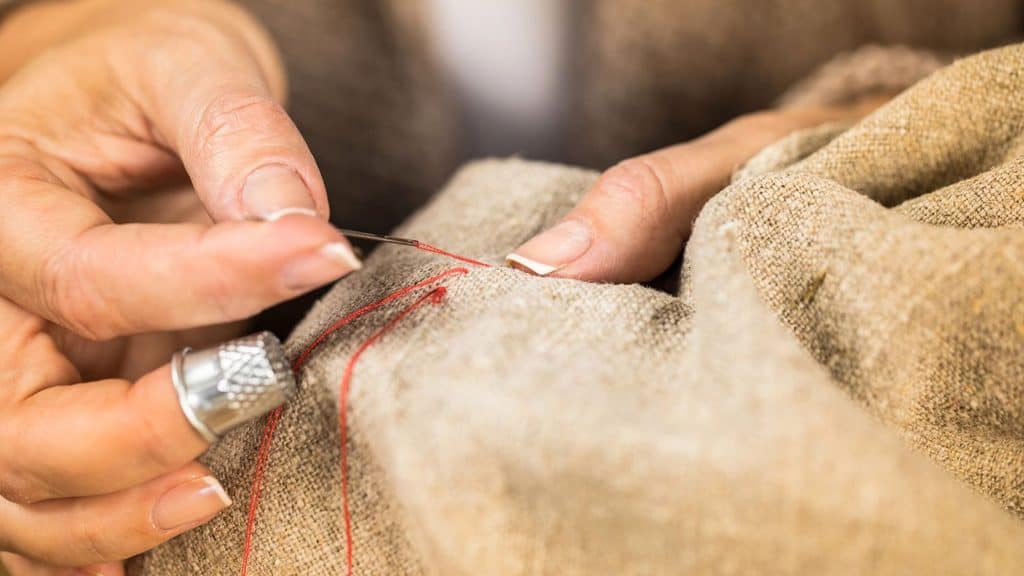
More and more people, especially among Gen Z and Alpha, lean into analog hobbies. It’s not enough to leave the screens behind for a spell. Instead of doomscrolling, many analog hobbies promote less stress and better health. Sewing, bird-watching, puzzles, baking, watercolor painting, gardening and yarn kits have all become more popular. And sometimes the screens are a supplement, helping hobbyists learn to master a skill or show off their analog accomplishments.
Michaels tells CNN guided craft kits have risen nearly 90% in sales in the past couple of years, and expects them to continue to grow. Last month, “The Today Show” dedicated a whole segment to analog hobbies, with Etsy’s experts pointing out that needlepoint kits, both beginning and advanced, are their biggest sellers right now.
No Wi-Fi needed
After years of staring at smartphones, iPads, smartwatches, Kindles and portable gaming devices, younger people are discovering the pre-Internet “technology” their parents and grandparents enjoyed still delivers. It’s not even a digital detox; it’s just a desire to try something simple for a change.
Even as libraries expand their offerings with Hoopla, Overdrive and Kanopy, their original asset returns to the forefront. Pew Research reports 75% of American adults have read at least one book in the last 12 months. Two-thirds of those are reading physical media, rather than ebooks.
Birdwatching is on the rise. Being an expert birdwatcher may boost cognition and gets you outdoors, which is also good for your health. Gardening has been proven to reduce stress and adds physical activity to a daily routine. It is also a convenient way to save a few dollars on your grocery bill.
Jigsaw puzzles are another largely tactile analog activity being assembled in people’s homes. Like many analog activities, working puzzles, both word and jigsaw, gained a lot of followers during the COVID lockdowns. Sure, Wordle was created during the pandemic, but even now, six years later, 50% of Gen Z works a crossword daily, usually on paper.
Paper is also the most popular medium for analog rituals like journaling and writing letters. Nobody’s walking away from emails, and blogs are still a thing, albeit less personal and more business-oriented these days. Writing by hand feels less rushed, more intentional. Your mind feels clearer as you think and choose words carefully, not relying on suggested autocompletes.
Sewing into nostalgia
While apparently no one stopped to count, there is anecdotal evidence that interest in sewing surged during the COVID lockdowns. The now defunct Jo-Ann Fabrics posted 24.3% year-over-year revenue growth for the first three quarters of 2020. Audience intelligence firm Recasse concludes there were 23.5 million sewing fans in the United States last year.
The global sewing machine market is forecast to hit more than $6 billion by 2033. Meanwhile, searches for yarn kits, one of the most popular of the “grandma hobbies,” increased 1,200% in 2025.
Quilting and embroidery are also on the rise. While these particular analog hobbies skew a little older, Premiere Needle Arts notes that in 2022, there were 9 to 11 million active quilters in the United States, a number that rarely fluctuates.
A recent development in the sustainable DIY market is zero-waste patterns. These environmentally friendly blueprints are planned so precisely that every inch of fabric ends up in the garment. Few to no scraps to dump in a landfill.
This is how we casse-role
Some analog hobbies develop out of a need for affordability, combined with a touch of nostalgia. While a 2018 report from Porch.com famously claimed more than 50% of millennials don’t know how to cook, the younger generations opted to turn that on its ear. Now, whether they’re watching a YouTube video or on a Zoom with Grandma, they’re learning how to prepare their favorite vintage dishes. Often in vintage dishes.
As finances become tight with rising prices, these young adults are discovering how to use and stretch staple foods like beans, rice, potatoes, oats and lentils. But there’s also the happy hit of dopamine when their favorite flavors hit their tongue.
In an analog-meets-digital twist, many Gen Z and even Gen Alpha cooking enthusiasts are taking the tried-and-true recipes of their parents and grandparents, like a baked penne pasta, and asking AI for a remix. It works to find bold new flavors, as well as worthy substitutes when you’re missing an ingredient or two.
Love baked in
Speaking of grandmas, it’s almost impossible to talk about them without mentioning their baked goods. Seriously, how did one generation all get so good at this one skill? Grandmas always make the best cookies, with flavors that even survive months in the freezer.
Baking for yourself brings back the smells and tastes you remember from your youth. Close your eyes and just hearing the words chocolate chip cookie brings the odor to your nose. Home baking also makes it a lot easier to prepare recipes with better nutritional options, such as three-ingredient oatmeal cookies. You can also avoid certain allergens, including the less obvious ones like gluten intolerance.
Baking at home is also better for your mental health. Taking the time to carefully measure out the ingredients and mixing them together can reduce stress and create mindfulness.
More life, fewer screens
Even as more and more screens pop up across the world, from the cradle to the grave, people are pushing back, at least a little. Rather than doomscrolling on social media or playing yet another game of virtual solitaire, literally by yourself, pick up a pen and paper or a book and explore your analog roots.
Double down by putting a record on while you walk the dog or prepare your favorite comfort food or baked goods. Work a crossword puzzle before bed and see if it doesn’t help you drift off faster when your head hits the pillow. Analog hobbies aren’t just alternatives to screens; they’re healthier for your heart, mind and spirit. Try one today.
Sharon Rhodes is the creative force behind the food blog The Honour System. Passionate about all things homemade, Sharon is a seasoned recipe curator focused on making healthier cooking and baking accessible to all.
The post The return of the analog weekend appeared first on Food Drink Life.


Commented