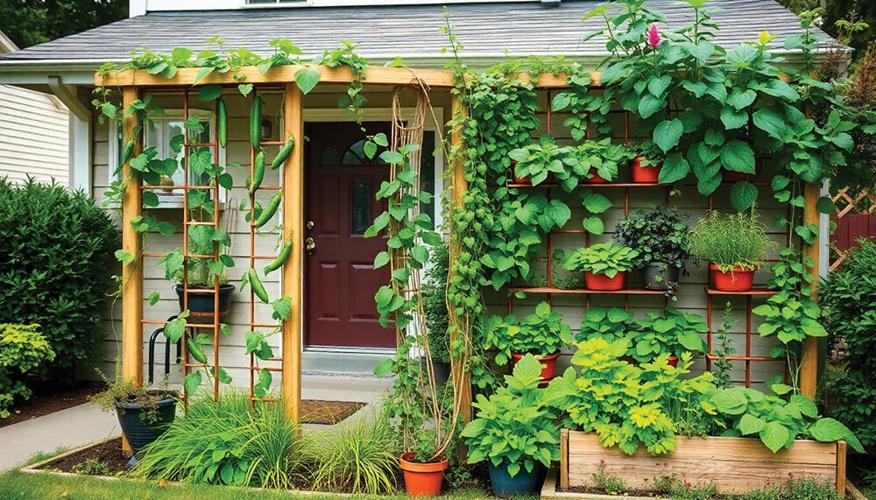
The ideal front yard is shifting. The days of pristine green lawns, meticulously watered, fertilized, and mowed, are waning as people pivot toward a more functional front yard landscape. Now raised garden beds full of vegetables fill open spaces, and along the sidewalks perfectly trimmed shrubs are being replaced by pollinator plants, edible herbs, and berries.
Perhaps our neighbors are focused on growing food, not grass, but on a deeper level these types of gardens are cultivating a deeper sense of community as well!
The Columbia River Gorge has always linked the land to its people. We rely on orchards and vineyards as an important part of our industry, and backyard fruit trees have long been the norm. These spaces have always brought micro-agriculture to the individuals living here, but the movement is now moving toward the street.
More so than hidden backyard gardens, front yard gardens invite connection. Neighbors walking by can admire a new variety of flower, or strike up a conversation about how to manage companion planting. Gardens invite opportunities for connection that wouldn’t otherwise exist.
These seemingly simple interactions matter in today’s increasingly digital world. They also remind us that food has a story. Beautiful fruits and vegetables don’t appear by magic in our grocery store aisles. Seeing our food grow from its start as a seed can seem like a painfully slow process, and watching your neighbor toil with weeds, pests, or inexplicably failing plants can seem exhausting, but it’s an important reminder of what goes into our food chain. Children can feel the patience, resilience and adaptability required to grow our food, and learn to respect the work that goes into growing food. We can teach them so many things about the world by watching a garden grow. They can see a tiny seed grow to a sprout, start to flower, watch the bees pollinating, and then see the fruits developing. It’s not magic, but it is miraculous.
There are significant practical benefits as well. Food prices, along with many other things, have increased in the past few years. Growing your own vegetables can supplement a tight grocery budget and also encourage seasonal-focused food prep and cooking. Not only is it an economical benefit, but home grown food, picked at the peak of ripeness, just tastes better!
Environmentally, the impact is profound. Traditional lawns require immense amounts of water, fertilizer, and fuel for maintenance. Converting even a small section to vegetables or native plants reduces water usage and provides a much-needed habitat for bees, butterflies, and other pollinators.
Regardless of where you live, you can convert part of your space into a front-yard garden. Whether it’s planters on an apartment balcony, a strip along a city sidewalk, a terraced garden on a steep hillside, or sprawling acreage, there is almost always room to grow.
Getting started
If you’re feeling inspired to transform your own front yard, the journey begins with a few simple, thoughtful steps. Start by observing your space to assess sunlight; most vegetables crave at least six to eight hours of direct sun. When choosing what to plant, consider varieties that thrive in our unique region, and don’t be afraid to start small. Containers or a single raised bed are excellent ways to build confidence without feeling overwhelmed. Finally, take the time to prepare your soil with organic compost, giving your seeds the nutrient-rich foundation they need to flourish. Every great garden — and every great community connection — starts with that first intentional seed.
Gardening is a journey, and you don’t have to embark on it alone. Local community resources offer incredible support to help your garden thrive. The OSU Extension Central Gorge Master Gardeners are here to help, by offering support in several ways, including plant clinics where you can receive expert advice on specific plant or pest issues in person, by phone, or through an online submission form. Beyond troubleshooting, we have a schedule of free gardening workshops and events. These cover a wide range of topics from tool usage to seed saving, and offer great opportunities to learn and connect with fellow gardeners. We encourage you to visit the CGMGA website to find these resources and start your own community connection.
The Gorge is celebrated for its natural beauty, and we are also lucky to have fertile soil, and an abundance of sun and water. Choosing to create a front yard garden is an act of stewardship, environmental and community! The more edible and native gardens we see popping up in front yards around the Gorge will certainly strengthen our connection to nature as well as our connection to each other. If you’re inspired to see what others in the community have already achieved with front yard gardens, join Master Gardeners and Gorge community on September 12th in celebrating the fall harvest season with; community engagement, edible gardening, native plants and pollinators at the third annual Hood River Front Yard Garden Tour! CGMGA website. A link for this garden tour is below.




Commented
Sorry, there are no recent results for popular commented articles.