
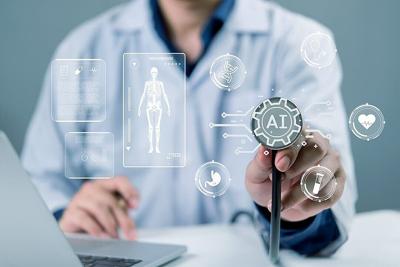

While cancer continues to be a major global health challenge, it is also a rapidly changing area of medicine. Targeted therapies, immunotherapy, genomic testing, biomarker-driven treatments, and artificial intelligence tools are contributing to the medical community’s ability to diagnose and treat cancer.
The American Cancer Society estimated a total of 2,041,910 new cancer cases in the United States in 2025. Cancer accounts for 619,876 deaths per year in the U.S. overall, second only to heart disease, which accounts for 683,491 deaths annually. However, cancer is the leading cause of death among people younger than 85 years old.
The cancer death rate has declined in recent decades thanks to smoking cessation, early detection, and advances in treatment options. Yet progress in cancer prevention is lagging, as the occurrence rate for six of the top 10 cancers – breast, pancreas, prostate, uterine corpus, melanoma, and colorectal – continues to increase.
Based on an analysis of a representative sample of millions of Medscape AI queries across nine countries, cancer is the most-searched disease area in every market studied, suggesting many clinicians are turning to AI-powered tools to help navigate the growing complexity of oncology.
In recognition of World Cancer Research Day on Sept. 24, Medscape explored why cancer generates so many physician questions, how oncology has changed in recent years, and where AI may help clinicians manage an increasingly information-rich field.
Why cancer dominates AI queries
While oncology is one of the most information-intensive areas of medicine, cancer remains a difficult condition to diagnose and treat. This is due to the variety of possible causes, symptoms, cell types, and progression among patients, known as disease heterogeneity. Major progress has been made in cancer screening, diagnosis, and treatment; however, identifying specific cancer types can be challenging.
Cancer treatment decisions often carry significant consequences related to survival, recurrence risk, and treatment toxicity. The viability of traditional cancer treatments, such as surgery, chemotherapy, radiation therapy, and hormonal therapy has been improved by research and technology developments. However, limitations still exist.
Surgery can be successful for tumor removal, but the size, location, and metastasis may mean this is not a good option. Radiotherapy is a highly effective option, although some cancer cells are unaffected by this treatment, or result in relapses. Resistance to chemo or hormone therapy may occur, due to genetic mutations or tumor heterogeneity.
“As one of the most information-intensive specialties, cancer is one of the few areas of medicine where stakes are consistently high,” said Dr. Maurie Markman, Medscape contributor and professor of medical oncology & therapeutic research at City of Hope Comprehensive Cancer Center. “Physicians recognize that every patient’s cancer may be biologically unique. Determining which treatment is best takes factors like biomarkers, tumor genetics, emerging research, and evolving treatment guidelines into consideration.”
The prominence of cancer-related AI queries by physicians is driven by more than the disease’s impact on patients. It also reflects a dramatic evolution in cancer care over the past two decades.
Precision medicine advances; cancer data overwhelm skyrockets
Advances in cancer research have not only expanded treatment opportunities for clinicians, but information overload as well.
An increase in the number of cancer medicines that received regular approval jumped from 26 between 2006-2010 to 115 between 2021-2025, representing a 340% increase, according to a JAMA article.
Personalized cancer care is increasingly available due to the shift toward precision medicine. Tissue-agnostic therapies approved by the Food and Drug Administration now target specific biomarkers regardless of where cancer originated. According to the National Cancer Institute, the FDA has approved multiple tissue-agnostic therapies targeting biomarkers such as NTRK gene fusions, BRAF mutations, RET fusions, HER2 expression, and tumor mutational burden.
Tumor biopsies are often reviewed by oncologists for specific mutations, as those results can lead to the most likely treatment option. Testing patients for mutations meant running individual molecular tests, until next-generation sequencing became an option. Now, next-generation sequencing (NGS) allows clinicians to test multiple genes of a cancer at once and can identify new markers that may lead to additional treatment options, according to JAMA Oncology.
While NGS has created the opportunity for more personalized treatment and targeted therapies, interpreting complex data can make it difficult for oncologists to recommend the correct treatment options.
Promising developments of future innovations like single-cell sequencing and liquid biopsies hope to make precision oncology more accessible and effective.
“Modern-day optimization of care delivery for cancer patients has become complex due to the rapidly evolving data tsunami in precision care therapeutics,” Markman said. “Twenty years ago, treatment decisions were based primarily on cancer type and stage. Today, physicians must now consider genetic and molecular information alongside traditional factors.”
As cancer care becomes more personalized and information intensive, many clinicians are exploring technologies that can help synthesize growing volumes of evidence.
Why AI may fit oncology particularly well
AI models can be an excellent tool for oncologists, if they keep the models’ current risks and limitations in mind.
Developed by researchers at Harvard Medical School, the Clinical Histopathology Imaging Evaluation Foundation (CHIEF) is an AI model which reads digital slides of tumor tissue to detect cancer cells and molecular profiles. It achieved nearly 94% accuracy in cancer detection across 15 different databases containing 11 cancer types.
Trained on 60,000 whole-slide pathology images, CHIEF’s accuracy rate is impressive. While the AI model’s results are promising, clinical trials would need to be run to test its efficacy in the real world.
Another AI model combines stimulated Raman histology, optical imaging, and deep learning. It diagnoses intraoperative brain tumors with 94.6% accuracy in 150 seconds, compared to 93.9% accuracy in 20-30 minutes by standard pathology.
The benefits of applying AI to detect and diagnose cancer span from its ability to quickly review large volumes of literature, uncover relevant research findings, compare treatment approaches, and assist with guideline navigation. AI models excel when identifying patterns across large datasets, supporting precision medicine approaches, and helping physicians manage growing information complexity.
The use of AI models does not come without risk. A study of endoscopy centers, called the Artificial Intelligence in Colonoscopy for Cancer Prevention trial, compared the quality of colonoscopies conducted three months before and after AI was applied. Researchers tracked endoscopists using an AI tool that flagged adenomas, or precancerous polyps, during colonoscopies.
The study found that AI use boosted the adenoma detection rate (ADR) significantly. Though, once AI assistance was taken away, the ADR dropped from 28% before AI was applied to 22%. Researchers concluded that overreliance on AI may have reduced the endoscopists’ independent diagnostic skills, as their ADR dropped below its original baseline.
AI use in cancer care is not without limitations. Human bias input during the development and deployment of algorithms raises concern about AI models’ safety and performance and can lead to inaccurate predictions, according to a 2024 review paper. The research cites that many AI algorithms were trained on biased publicly available image datasets. Skin lesion datasets of more than 100,000 pictures showed that lesions on darker skin were underrepresented. Skin color was recorded in 2,436 of those images, and only 11 represented those with brown or Black skin.
Furthermore, the review paper found that approximately one-third of cancer treatment recommendations generated by ChatGPT did not fully align with the current National Comprehensive Cancer Network guidelines. The review also cites evidence that showed cancer detection improved by an additional 8% when AI was combined with a human reader, highlighting the continued importance of clinician oversight.
Oncologists must measure ever-evolving advancements in AI by the impacts it has on their patients.
What it means for patients
Patients’ strongest outcomes may occur when technology and physician expertise work together.
Early multicancer noninvasive detection tests genetic signals within blood samples to assess if various cancers are present, combining next-generation sequencing with AI. This emerging technology may help clinicians identify patterns earlier, process increasingly complex clinical data, and support more personalized treatment recommendations and care planning.
"For patients, the promise of AI isn't simply faster technology,” Markman said. “It's the possibility of earlier detection, more personalized treatment planning, and giving care teams additional tools to make informed decisions throughout the cancer journey."
AI has the potential to help process clinical data more efficiently and enhance clinical decision support.
The future of oncology
Growing volumes of complex cancer data from accelerated research and treatment options make it increasingly difficult for clinicians to stay current with the demands of modern cancer care. A need to bridge information gaps may be the driving factor in the popularity of AI searches among physicians. AI’s greatest potential for clinicians may not lie in their replacement but rather aid them in making more informed diagnosis, treatment, and management decisions for their cancer patients.
Methodology
These findings are based on an analysis of a representative sample of millions of organic Medscape AI search queries collected over the first half of 2026. Advanced AI models were used to identify key intents and usage behaviors among healthcare professionals across nine countries: the United States, United Kingdom, Canada, France, Germany, Italy, Spain, Brazil, and Mexico. Queries were categorized into distinct clinical intents and topic areas to identify the primary drivers of platform use.
This story was produced by Medscape and reviewed and distributed by Stacker.


Commented