Today's toddlers will live through almost twice as much extreme "fire weather" as their grandparents, according to new research.
A child born in the U.K. in 2025 will live through more than two additional years of extreme hot conditions compared with someone born in 1950 if current climate policies continue, suggests the study.
That's a 70% increase for today's babies compared to their grandparents — with the majority due to climate change rather than increased longevity.
Fire weather refers to hot, dry and windy conditions that make wildfires more likely to ignite, spread faster and become harder to suppress.
The Europe-wide study, published in the journal Environmental Research Letters, shows that the largest increases are projected in the Mediterranean.
In the Med, already hard-hit by wildfires, people born in 2025 are projected to face up to 2.5 times the exposure to extreme fire weather of those born in 1950, corresponding to over five additional years of extreme fire weather over their lifetime.
The figures are for a scenario where climate change reaches 2.6 degrees Celsius by 2100, as predicted based on current climate policies.
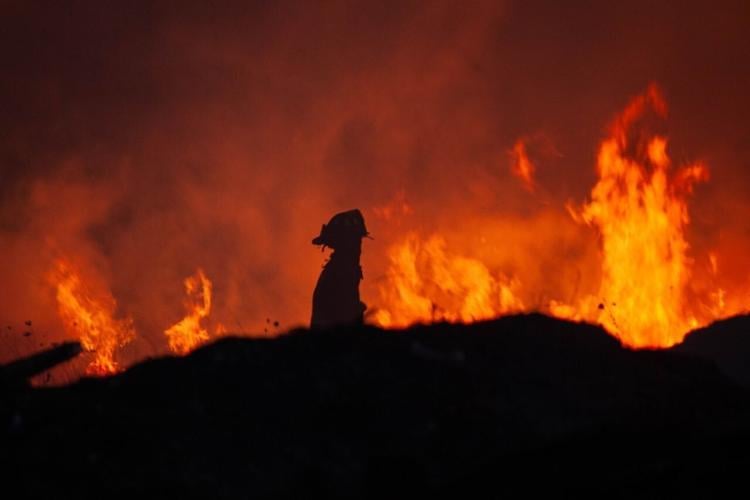
(Photo by Oscar Sánchez via Pexels)
By Talker
Scientists say rapidly cutting the use of fossil fuels would reduce exposure to dangerous fire weather in all regions, decreasing lifetime exposure for those born in 2025 by 1.3 years on average in Europe, and more than two years for the most affected regions in Southern Europe.
Fire weather is already a rapidly growing problem in Europe.
In 2025, fires burned through the largest area ever recorded in Europe — more than 1 million hectares — with Spain and Portugal worst affected.
That year, fires have already had devastating impacts in France, Spain and Belgium, driven in large part by repeated heatwaves since the beginning of the summer which studies show would have been virtually impossible without climate change.
Portugal is the European country which has seen the highest proportion of its area burned in recent decades.
In 2020, after living through devastating wildfires and intense heatwaves, six Portuguese youth filed a complaint with the European Court of Human Rights against European countries for failing to take sufficient action on climate change. This study finds that:
Extreme fire weather days in Portugal are projected to more than double, from 14 days per year in 1950-1970 to 32 days per year by 2100 under current climate policies.
A baby born in Portugal in 2025 is projected to spend about 6.5 years of their life under extreme fire weather conditions under current climate policies.
In the most exposed regions of northeastern Portugal, children born in 2025 will be exposed to up to 2.5 times as much extreme fire weather as people born in 1950 under current climate policies.
The study shows that a baby born in the U.K. in 2025 is projected to spend about 6.3 years of their life under extreme fire weather conditions under current climate policies.
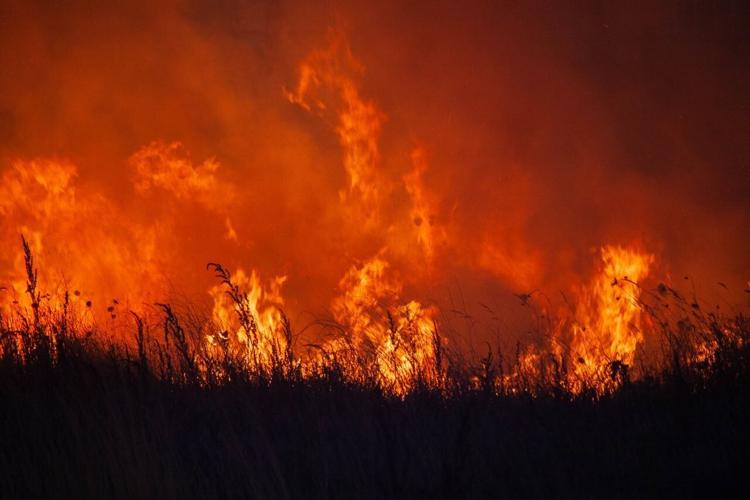
(Photo by Keith Lowery via Pexels)
By Talker
Each additional degree of global warming by the end of the century adds around 312 days of extreme fire weather to the life of a child born in the U.K. in 2025.
Scientists say climate change, driven primarily by the burning of fossil fuels, is making fire weather more frequent and severe — pushing fire risk into seasons and regions rarely exposed before, and threatening lives, homes and wildlife.
Study leader Rosa Pietroiusti said: "Our results show that the level of fire hazard that will be faced by today's children across their life is fundamentally different from what their grandparents experienced.
"A child born in Europe now will spend years more of their life under extreme fire weather conditions, and across the Mediterranean that burden is especially heavy."
Pietroiusti, a Ph.D. researcher at Vrije Universiteit Brussel (VUB) in Belgium, added: "Young people have done the least to cause climate change, yet they will live with its consequences for the longest.
"This is why youth-led climate justice movements and legal initiatives are demanding more ambitious climate action from governments and companies now, so that the worst impacts of future climate-related hazards in their future can be avoided."
Study senior author VUB professor Wim Thiery said: "The hopeful part of our findings is that this future is not yet fixed: ambitious reductions in greenhouse gas emissions now can significantly reduce the risk of wildfires and protect our children from the worst.
"With the falling costs of solar and wind, rapid cuts to fossil fuel use are absolutely feasible.
"Every fraction of a degree of warming we avoid translates directly into less fire weather over a child's lifetime, giving them a chance at a full and healthier life, an education - that's fewer lives cut cruelly short, fewer homes and dreams burned by the flames, and fewer people traumatized by injury and grief."
Thiery added: "Cutting fossil fuel emissions in line with the Paris Agreement - alongside investment in fire prevention, preparedness and more resilient landscapes - is essential to protect young Europeans from a future of relentless and potentially lethal fire seasons."



Commented