Researchers discovered that spending time in natural environments may help people develop healthier eating habits.
The study, published in the journal Body Image, is the first to provide evidence that exposure to nature can influence people’s relationship with food.
Researchers from Anglia Ruskin University (ARU) in Cambridge assessed 500 British adults for their individual levels of contact with the natural world.
The assessment included how much they noticed nature in their everyday lives, as well as the frequency and duration of the time spent in natural environments.
Participants also completed surveys measuring body image, self-compassion, connectedness to nature and intuitive eating, which is an anti-dieting approach to eating that focuses on listening to the body’s internal signals instead of following strict eating rules.
Viren Swami, Professor of Social Psychology at Anglia Ruskin University. (Anglia Ruskin University via SWNS)
By Talker
The research team found a “direct positive relationship” between nature contact and intuitive eating, but pathways involving other factors were even more important.
Study lead author Viren Swami said one pathway involved nature contact influencing intuitive eating habits through higher levels of body appreciation.
It is believed that nature contact helps people feel more comfortable in their body, more appreciative of what their body can do and more responsive to their body’s needs, which in turn leads to higher levels of intuitive eating.
Swami said a second pathway involved self-compassion.
Greater nature contact promotes self-compassion, and the researchers believe that provides a buffer against responding to difficult thoughts and emotions through impulsive eating.
Instead, the team believes it may encourage people to follow their body’s signals and choose foods that better meet their physiological needs.
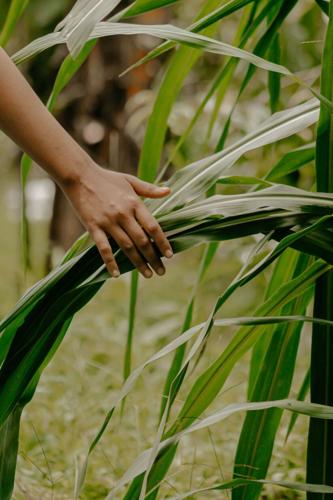
(Photo by Alan Biju via Pexels)
Swami, professor of social psychology at ARU, said: “These findings are important because they provide the first evidence that contact with nature may shape people’s eating habits.
“We already know that contact with natural environments can reduce anxiety and depression and improve various measures of well-being, including life satisfaction.
“Our new study is the first to show how it can influence our eating habits, thanks to helping people develop more positive relationships with their bodies and greater self-compassion, and these findings could have practical benefits for public health professionals.”
He added: “We recognize there are limitations to this study, particularly as it is based on self-reported data, and further studies in other countries are needed.
“However, these initial results suggest that greater access to and engagement with nature could support efforts to promote healthier, more sustainable eating behaviors.”





Commented