
A chef spoons a dark purple sauce over a seared steak, and the diner across the table hesitates before the first bite. It looks unfamiliar, almost too rich to place, but one taste in and the hesitation is gone. That berry is black currant, and across the country right now, it is showing up on plates and in glasses where American diners have never encountered it before.
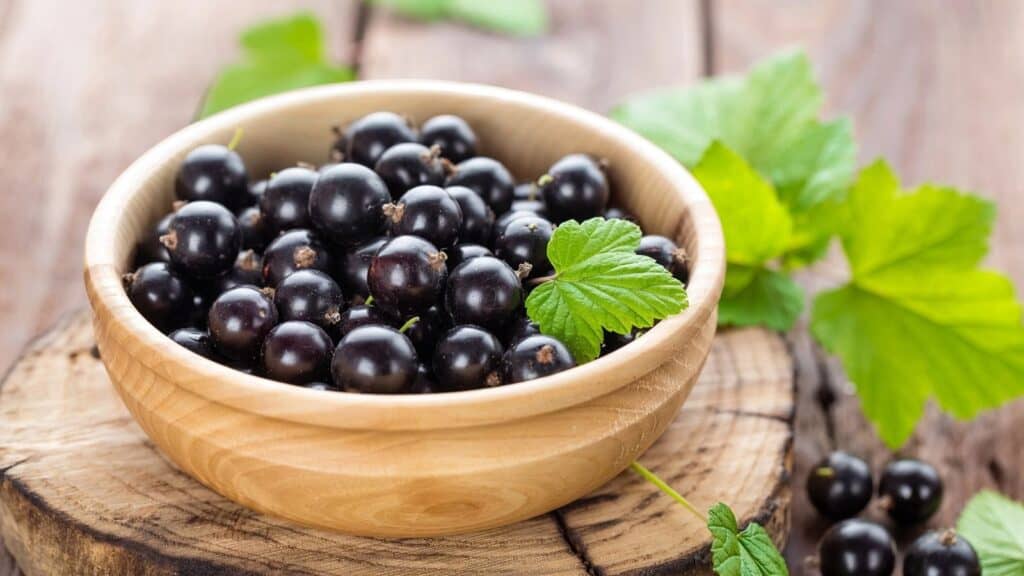
Part of the reason black currant has stayed off most American radar screens is geography. The berry is native to central and northern Europe and northern Asia, where it has been a kitchen staple for centuries, stirred into jams, pressed into syrups, fermented into the French liqueur creme de cassis that gives kir royale its jewel-toned color.
In the United States, commercial cultivation of black currants was banned for most of the 20th century because the plant carried a fungus that threatened white pine trees. That ban was lifted state by state starting in the early 2000s, but the fruit never quite made the cultural leap that other imports managed. Until now.
The numbers tell the story
Black currant is up 23% year over year on menus, and only 21% of Americans have tried it. That combination is a chef’s dream, a genuinely exciting ingredient with almost no consumer fatigue attached. McCormick, the 136-year-old flavor authority whose annual Flavor Forecast has called the rise of chipotle, ube, Korean BBQ and swicy before any of them went mainstream, named black currant its 2026 Flavor of the Year.
The company deploys a global team of roughly 80 chefs, marketers and food technologists to track what is moving on menus worldwide before it arrives in American kitchens. When that team spotted black currant as a pork glaze in Singapore, a table vinegar in Australia and across cocktail programs in Europe at roughly the same time, the crossover call was easy.
Black currant goes well beyond dessert
The part of this trend that catches people off guard is the savory side. Black currant handles heat, fat and acid with a confidence that softer fruits simply cannot match. At McCormick’s Sensoria event in New York in April 2026, a four-course tasting built entirely around the ingredient made the case convincingly. A New York strip steak finished with a smoky black currant demi sauce reframes what a berry can do on a plate.
A lamb pita topped with black currant compote and tzatziki used the fruit’s tartness to cut through the richness of the meat and cool the palate in the same bite. McCormick’s Sweet & Smoky Black Currant Seasoning pairs the berry with aged red jalapeno, oak smoke and toasted onion, a blend that proves just how far from jam this ingredient can travel. Restaurant Business, in its May 2026 menu trend analysis, called black currant naturally “swavory,” a sweet-savory profile that food forecasters say is replacing swicy as the flavor pairing to watch on American menus.
Bartenders were already there
Black currant has a cocktail history that most drinkers walk right past. Creme de cassis, the black currant liqueur, has been a French bar staple since the 19th century, the backbone of the kir and the kir royale and a dozen other classics that rely on its deep ruby color and concentrated berry flavor. What is new is how bartenders are using it outside those traditional formats.
At Sensoria, the evening opened with a black currant sour: tangy, vivid, finished with black currant finishing sugar on the rim, a modern riff that felt nothing like a grandmother’s aperitif. Kimpton Hotels’ 2026 cocktail forecast identifies botanicals replacing added sugar in bar programs as a defining move this year, and black currant fits that pivot precisely; it delivers sweetness, acidity and color without a pour of simple syrup. For bartenders building drinks that photograph as well as they taste, that is a genuinely useful tool.
In pastry, it does something blueberry cannot
Pastry chefs have a specific reason to love black currant that goes beyond flavor: it holds its tartness under heat. Blueberries go jammy and sweet when they bake, while blackberries soften and lose their edge. But black currant keeps its character, which means it can carry a dessert without disappearing into the sugar.
A silky panna cotta at Sensoria came topped with black currant caviar, tiny pearls bursting with concentrated berry flavor and sweet-sour contrast. McCormick’s Black Currant Finishing Sugar is landing on cheesecake mousses and baked goods in home kitchens and professional ones alike. McCormick for Chefs recipe development has also worked the berry into a creme brulee custard with rosemary and vanilla bean, the kind of pairing where simple technique produces something that tastes far more considered than the effort required.
Why this moment, why now
The timing of black currant’s rise is not accidental. McCormick’s Flavor Forecast identified a 2026 dining mood it calls “attainable opulence,” the idea that diners are seeking small luxuries and complex flavors as an everyday escape, not just a special-occasion indulgence. Black currant is a natural fit: it looks expensive, its color is dramatic and its flavor exudes sophistication without requiring a tasting-menu price point.
Black currant is at the precise moment where chefs are running with it, and most home cooks have not caught up yet. That opportunity does not stay open long. McCormick’s Black Currant Seasoning and Finishing Sugar are already on retail shelves, making the tools for experimentation at home available. The only question is who gets to the spice aisle first.
Jennifer Allen is a retired professional chef and long-time writer. Her work appears in dozens of publications, including MSN, Yahoo, The Washington Post and The Seattle Times. These days, she’s busy in the kitchen developing recipes and traveling the world, and you can find all her best creations at Cook What You Love.
The post America banned this berry for 100 years. Chefs can’t stop using it now appeared first on Food Drink Life.


Commented