They say growing old is not for sissies. When you add serving as a volunteer for the Peace Corps to that equation, I think that I was announcing to the world (at least my family and friends) that I am no sissy and here is the proof. But I had a dream! And one risks a lot when going for a dream.
When I was attending university and John F. Kennedy started the Peace Corps, I wanted to join this organization. After all, what 20-year-old does not want to see the world and help people in undeveloped countries? What with all that idealistic youthful dreaming, I was ready. However, marriage, kids, divorce, career and retirement involving being a caretaker all put that dream in a basement. But like all things in the basement, sooner or later, it resurfaces. At the young age of 71, I decided that I was ready and could now become a Peace Corps volunteer. So I started the application process and two years later was assigned as an Educational Peace Corps Volunteer to South Africa.
In July 2015, I joined 52 other people in Philadelphia for our PC orientation. Two days later we were heading for Johannesburg, South Africa. There were eight volunteers who were retirees. Three of those were returning PC volunteers, and 44 young, energetic, idealistic youngsters ranging in age from 21 to 35. We were the largest cohort to ever serve in South Africa. Our assignment was to volunteer in remote village schools as English language teachers and promote sustainable projects within the schools and villages. All of us were assigned to schools in Limpopo Province, which is the northern most province in South Africa that borders Mozambique, Zimbabwe, and Botswana.
•
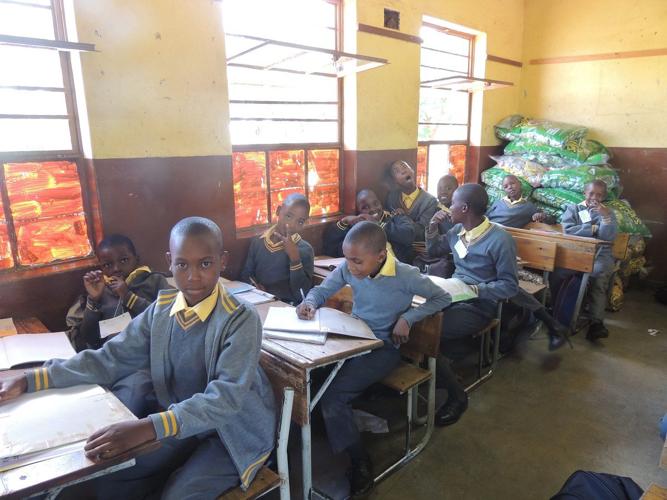
The greatest hurdles proved to be the lack of resources in the homes and schools, cultural differences, discipline, and language. Well, that pretty well covers life in a rural, impoverished, remote African community. Yep, it was all a challenge! Kwagdu Primary School has 1,050 leaners (we call them students), and 32 educators (one principal, two deputy principals, and four head of departments). These administrators only teach 1 to 2 classes so that leaves the remaining 25 educators to teach 1,250 students. That’s right — a student-teacher ratio of 1:50. Challenge = discipline.
There were no computers designated for student use, no library, no sports equipment except a dirt field, no supplementary resources except what you as a teacher made or bought, no toys, puzzles, or games, no school supplies available, no running water or indoor toilets, no playground except old tires and broken pipes. Challenge = resources!
If we were meant to have a library or playground, God would give us one. If the learners misbehaved, is was because they were bad or naughty, not because they were left unsupervised for 1 to 3 hours with 50 of them in a classroom with nothing to do. If a person needed medical attention due to seizures, it was due to demonic possession. Challenge = culture/religious training.
And the challenge of learning the Sepedi language was a continuous process, but everyone so very helpful and generally understanding.
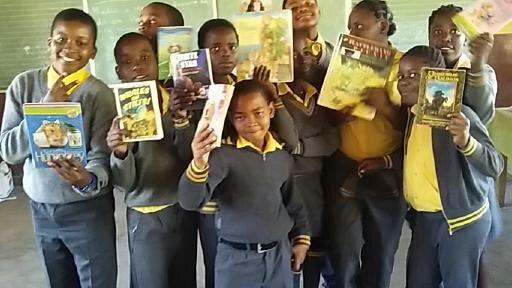
As bad as all this may sound, the good far outweighed the negative. Peace Corps goals promote cultural exchange and developing programs that enrich the school and community. Many volunteers initiated student sport programs, art and cultural programs, boys and girls clubs, after school activities, and developed and/or organized libraries at their school or community center. I was very involved in developing my school library and a literacy program. Darius Books, a U.S. charitable organization donated several boxes of books as well as the regional libraries of Limpopo Province. The Kwagdu Primary School Library now has about 1,500 books, fiction and non-fiction, reference books and literature. Many grade six and seven learners were trained to be library assistants and a check out system initiated.
•
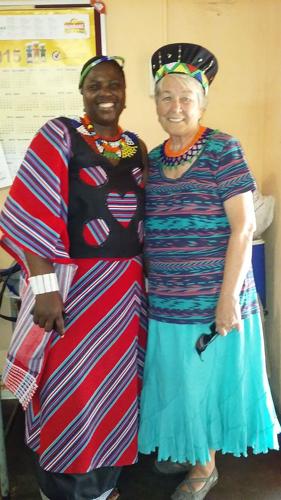
Another goal of Peace Corp is cultural exchange whereby we share American culture and participate fully in African culture. The school faculty had a naming ceremony for me and I was given the name Mahlatso, which means “you are one of us.” This was a foregone conclusion since living with a local family in the village and being part of the faculty I was automatically included in all celebrations, funerals, tombstone dedications, weddings, birthday celebrations, boys returning from the mountain celebrations (circumcism rites for 12-year-olds), births, labola celebrations and the list goes on. These were all amazing occasions to dance, sing, visit, share, laugh, cry, and, of course, eat!
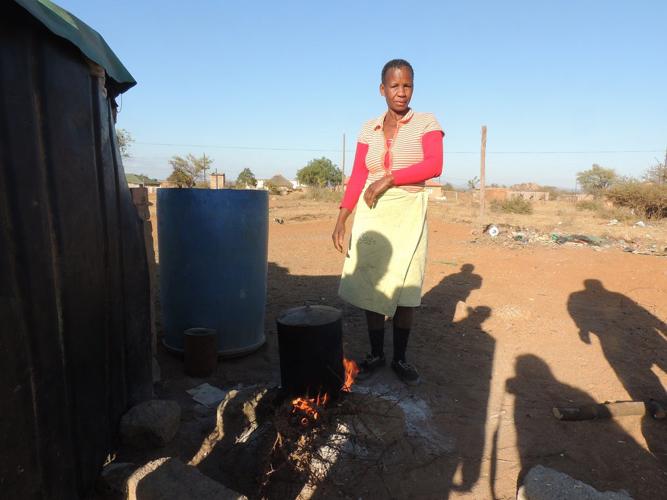
Living as one of the Sepedi people meant using outdoor latrines, getting your water from a local well or hauling water for bathing and washing clothes and dishes. My living accommodations was a cinder block building with one room about 12-by-12 and this room was my kitchen, bedroom, living room, and dining room.
It also meant using local transportation, since we were not allowed to drive, ride in back of trucks, or hitchhike. So a trip to my local shopping store was a weekly trip and a monthly trip to my “shopping town,” which was one and a half hours one way. This was performed in a local “taxi,” which is a van that is fitted to hold 17 to 22 people, and any luggage or groceries or babies. Thankfully, no goats or chickens got on board. Since South Africa is very warm to hot during the days and down chilly at nights (it was a desert), living accommodations and transportation was uncomfortable most of the time.
•
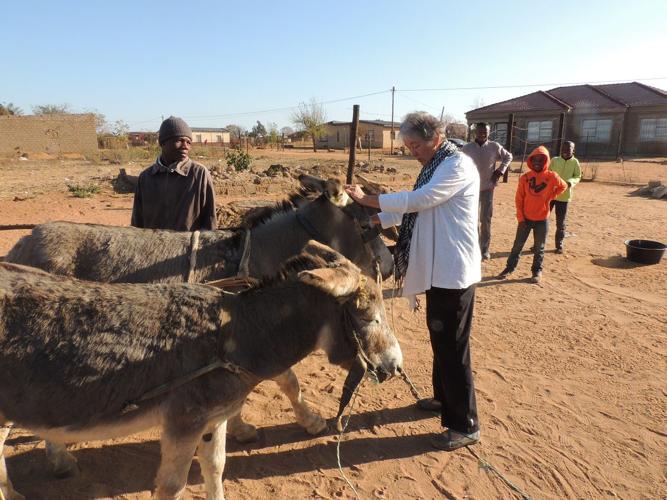
The joys of village life were the everyday happenings like watching the cattle, sheep, or goats walk past your compound — or break in — to get to pasture or the local fields and come home every evening and waking up with the chickens or rooster. There are also the village women carrying their loads of firewood or packages on their heads while the baby is wrapped onto their backs. The donkey cars or karikari go by delivering local wood, bricks, etc., to villagers. Walking home from school every day, I was greeted by the local women who were sitting under the Jacaranda tree visiting while the children play in the dirt roads with plastic balls made from rolled up plastic bags. It was such a simple but beautiful life. If you did not know the meaning of simplicity before, you would learn it by living with these beautiful, loving people.
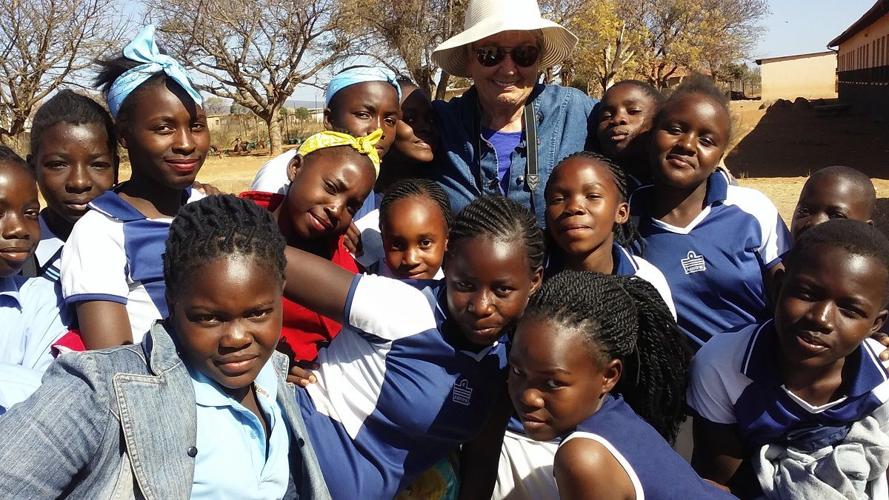
The best reward that I received is the friendship of my host families, the teachers, and the affection that the students gave me. It is easy to thing that I have given so little to all these people, but then I realize how much they did appreciate my efforts and sincerity. I have reached a stage in life when I think that I have grown and learned so much from life. Then I became a Peace Corps volunteer and found out how little I know and how much more I can grow and learn. This was a harder challenge than I ever anticipated; however, in return it has been a rewarding and fulfilling adventure.



Commented