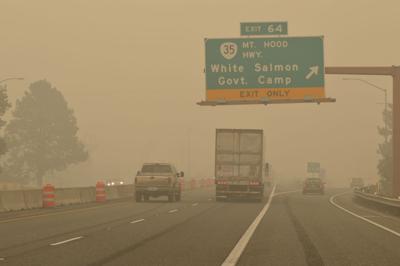
Wildfire season can change daily life quickly in Oregon, where residents may face smoky skies, reduced air quality and the possibility of evacuation during periods of elevated wildfire activity. According to the USDA Forest Service, Hood River County is among the Oregon communities identified as having higher wildfire risk. A shift in wind, several days of lingering smoke or even a sudden evacuation order can affect anyone, but children, older adults, pregnant people and those living with conditions such as asthma, COPD, heart disease or diabetes may face added health concerns.
While no one can predict exactly when or where a wildfire will occur, taking a few steps now can help Hood River County residents stay safer and better prepared if smoke or fire affects the community.
Preparation is most effective before smoke appears or conditions worsen. Taking time now to plan for poor air quality, medication needs and possible care disruptions can help residents protect their health when wildfire conditions change, starting with these six steps.
Protect your lungs from wildfire smoke – Wildfire smoke can irritate the eyes, nose, throat and lungs, and it may worsen breathing or heart conditions. During smoky days, check your local Air Quality Index using local news forecasts or AirNow.gov to see whether air is rated from “Good” to “Hazardous” and help determine when it is safe to be outside. When air quality is poor, limit strenuous outdoor activity and keep windows and doors closed when advised to stay indoors.
Use the right mask if you must go outside – If you must go outside in smoky conditions, a well-fitting N95 mask can help reduce smoke exposure. Because children may have difficulty getting a proper fit, the safer approach is to reduce their exposure whenever possible by keeping them indoors in cleaner air or relocating away from smoke when conditions become unsafe.
Create cleaner air indoors – Keeping windows and doors closed can help limit outside air from entering. Consider using a portable air cleaner or a high-efficiency air filter, if possible, and avoid activities that can worsen indoor air quality, such as smoking indoors, burning candles or using fireplaces.
Take extra precautions for people at higher risk – Some people are more likely to experience health problems from wildfire smoke, including children, older adults, pregnant people and anyone with asthma, COPD, heart disease, diabetesor chronic kidney disease. These individuals should talk with a health care provider before wildfire season or early in the season about how to adjust medications, inhalers, oxygen, activity levels or evacuation plans if smoke becomes heavy. Seek medical help right away for chest pain, severe shortness of breath, confusion, fainting, symptoms that do not improve indoors or any other emergency warning signs.
Prepare for the realities of living in a higher-risk wildfire area – Build a household emergency kit with essentials such as water, nonperishable food, a flashlight, batteries, phone chargers, cash, personal hygiene items and copies of important documents. Be sure those documents include health insurance cards, identification, prescription information and contact details for healthcare providers. Pack health-related necessities as well, including prescription medications, over-the-counter medicines, eyeglasses or contact lenses, hearing aid batteries and mobility aids. If someone in your household relies on refrigerated medication, oxygen or a powered medical device, plan ahead by identifying backup power sources, transportation options and accessible shelter locations.
Know where to turn for care and emotional support – If wildfire smoke, evacuation or other disruptions affect access to care, contact your health insurance provider to ask about early prescription refills, telehealth visits, replacement ID cards, access to network providers and available support services. Wildfires and smoke events can also affect mental health, including anxiety, grief and stress, so ask about behavioral health benefits, counseling services, crisis lines and other emotional support resources that may help during and after a wildfire event.
Wildfire preparedness is ultimately about protecting health before conditions become urgent. By planning for smoke, medications, medical equipment and emotional support, Hood River County residents can be better prepared to act quickly and care for themselves and their families when wildfire conditions affect the community.



Commented