
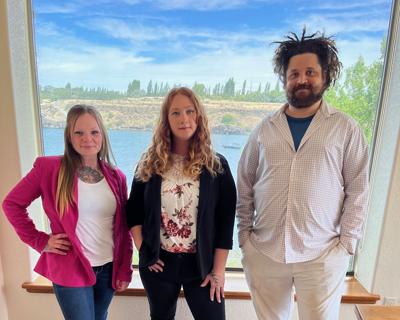
THE DALLES — Organizers of the Gorge Recovery Center, a place for those in recovery from substance use to hang out, have fun and access resources, hope to open its doors on Aug. 1.
Located at 3729 Klindt Drive, the nonprofit recovery center has two full-time certified recovery mentors and an executive director, and will be open Tuesdays through Saturdays from 2-10 p.m.
While the recovery center itself is set to officially open on Aug. 1, the certified recovery mentors are already in place and available to begin supporting individuals through peer mentoring and resource navigation, said Ari Gardner, executive director of the center.
The center will be open to those 18 and older who are in short-term or long-term recovery from substances. Anyone who is interested in attending the recovery center can call 971-806-1696 or email team@gorgerecovery.org.
The goal is to have up to 20 people a day utilizing the center, said Gardner.
“I am incredibly excited about the opening of Gorge Recovery Center and what it means for our community,” said Board Member Michala Gonzales. “Taking steps toward recovery can be one of the hardest decisions a person makes, and having a welcoming space filled with people who understand, support and encourage that journey can make all the difference,” she said.
Recovery is deeply personal, Gonzales said, with no two paths the same. The recovery center will meet people where they’re at and walk alongside them as they work toward their own goals.
“It creates opportunities for individuals to build meaningful relationships, gain confidence and discover that there is a fulfilling life in recovery,” Gonzales said.
Gardner said, “Recovery isn’t one-size-fits-all. At Gorge Recovery, we support individuals recovering from substance use by creating a space rooted in connection, accountability and fun. Our goal is to help people strengthen their recovery in a way that is sustainable for them and walk alongside their journey.”
Gardner added, “What makes peer support powerful is that it centers choice, dignity and connection. We’re not here to tell people what their recovery should look like; instead, we’re here to support them in building it.”
A key ingredient of recovery is having a social life, and in early recovery, many people can be jobless, with lots of time on their hands between sobriety meetings, board members told Columbia Gorge News in 2024. Locally, a hangout for people in recovery didn’t exist. Until now.
The recovery center is leasing a 5,000-square foot building, and about 2,200 feet of it is for the recovery center and the rest is for meeting space and office space, said Gardner.
People have to be abstinent from substances to join the recovery center, but it does allow people who use medication assisted treatment for recovery to join, Gardner said. Some people in recovery are on long-term maintenance medication such as suboxone and methadone.
“We’re not treatment, housing or detox,” Gardner said. “We’re a peer-led recovery community center focused on connection, support and removing barriers to recovery.”
And while the community has many wonderful places to gather, the recovery center will be a place where people “can find connection, belonging, hope and support without judgment,” Gonzales said.
A Portland-based program, 4D Recovery, is serving as the recovery center’s fiscal agent.
Gaby Swisher joined the board when it formed in 2022 and helped write the $2 million state opioid settlement grant awarded in 2024 that is funding the building and staff.
“The neighbors have been really welcoming,” Swisher said of the center’s riverfront location.
Swisher said the center is the fruition of a lot of grassroots work “to bring something more to the Gorge for people who are pursuing recovery. I really hope it will bring something meaningful to the people who need it.”
“We initially envisioned it being downtown but this place seems great,” she said. It offers privacy and if people need transportation, center staff may be able to provide it.
The certified recovery mentors can take people to treatment, or get them connected to Mid-Columbia Center for Living for an assessment, or help with transportation or signing up for food stamps, Gardner said. The center will provide peer support, recovery mentoring, resource navigation and connections to community resources. Through partnerships and community collaboration, it will also create opportunities for education, support and recovery-focused activities.
But foremost, it will be a place to have fun and connect with others.
Gonzales said, “I truly believe this is something our community has needed, and I look forward to watching lives change, goals be achieved and people find the support they deserve.”
When individuals heal, she said, the entire community benefits.


Commented