BINGEN — Aging looks a little different for every dog. As dogs grow older, their bodies change, their needs shift, and mobility may not look the same as it once did. With human family support, veterinary care, and a focus on quality of life, senior dogs can continue to thrive well into their golden years.
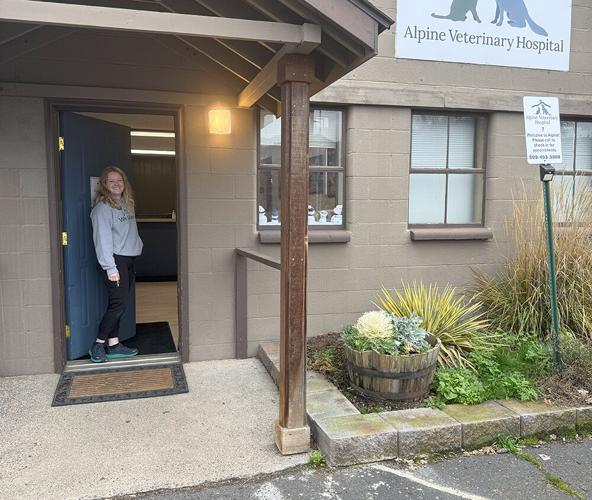
Dr. Alyson Mitchel is a Pacific Northwest-based veterinarian with eight years of local practice at Alpine Veterinary Hospital. She believes you should combine multiple pathways to help senior dogs stay healthy, happy, and active.
“I call it a multi-modal approach. Where, instead of giving just pills, we look at the whole dog. Sometimes we combine acupuncture, physical therapy with underwater treadmills, joint support injections, omega-3s, and even L-theanine for anxiety. Wellness is supporting mobility, reducing pain, and improving the quality of life for our furry friends.”
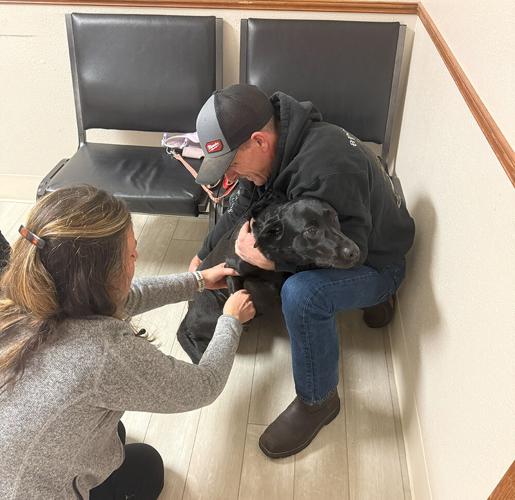
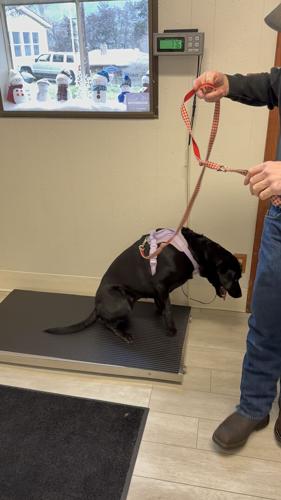
Keeping your dog at a healthy weight has the biggest impact on arthritis and mobility. Even a few pounds can make a huge difference in comfort and their activity level. One pound overweight for a dog can feel like an additional four pounds of pressure on their joints. Exercise is important, but it doesn’t always have to be hours of throwing a ball or a certain number of miles. Depending on the dog, most enjoy 30-60 minutes a day. However, as they age, that time could become a short ten-minute walk. The key is paying attention to your dog’s signals.
“Exercise may seem like a top priority in dog health; however, we now know gentle exploration, time to wander, and sniff around are just as important for your furry companion’s mental stimulation and maintaining brain plasticity.”
As a dog ages, you might have to adjust its movement. Mitchel often encourages pet owners to try swimming or water-based therapies. The water helps take the weight off their joints while allowing the dog to move and explore, especially with a life jacket.
Living and adventuring in the Gorge is one of the best parts of being a Pacific-Northwest dog owner, but it does come with risks. Mitchel warns her patients that as temperatures rise, so do encounters with ticks and rattlesnakes, contact with unvaccinated dogs, heat stroke, and exposure to wildlife on hiking trails. It is important to stay current with your dog’s vaccinations and take preventive measures when playing outdoors.
Mitchel has been a veterinarian for more than 10 years. She trained at Washington State University and has a special love for surgery, cancer care in animals, and spending time educating her clients and their pets. When she is not at the hospital in Bingen, she is busy spending time with her cat Sushi, her dog Pickle, and adventuring outdoors.
“Aging dogs can still enjoy life to the fullest with a combination of exercise, targeted therapies, and a lot of love. Embrace the journey, listen to your pet, and celebrate small victories.”
Contact Alpine Veterinary Hospital at 509-493-3908 or visit www.AlpineVet.net for more information. The hospital is located at 208 Lincoln St., Bingen.



Commented
Sorry, there are no recent results for popular commented articles.