Despite funding loss, outdoor education proves transformational for students.
In the wake of the Washington State Legislature’s decision to eliminate funding for the Outdoor Learning Grant Program in the 2025–27 biennium, the Washington School Principals’ Education Foundation (WSPEF) and its Outdoor Schools WA (OSWA) initiative are taking a moment to reflect-and rally.
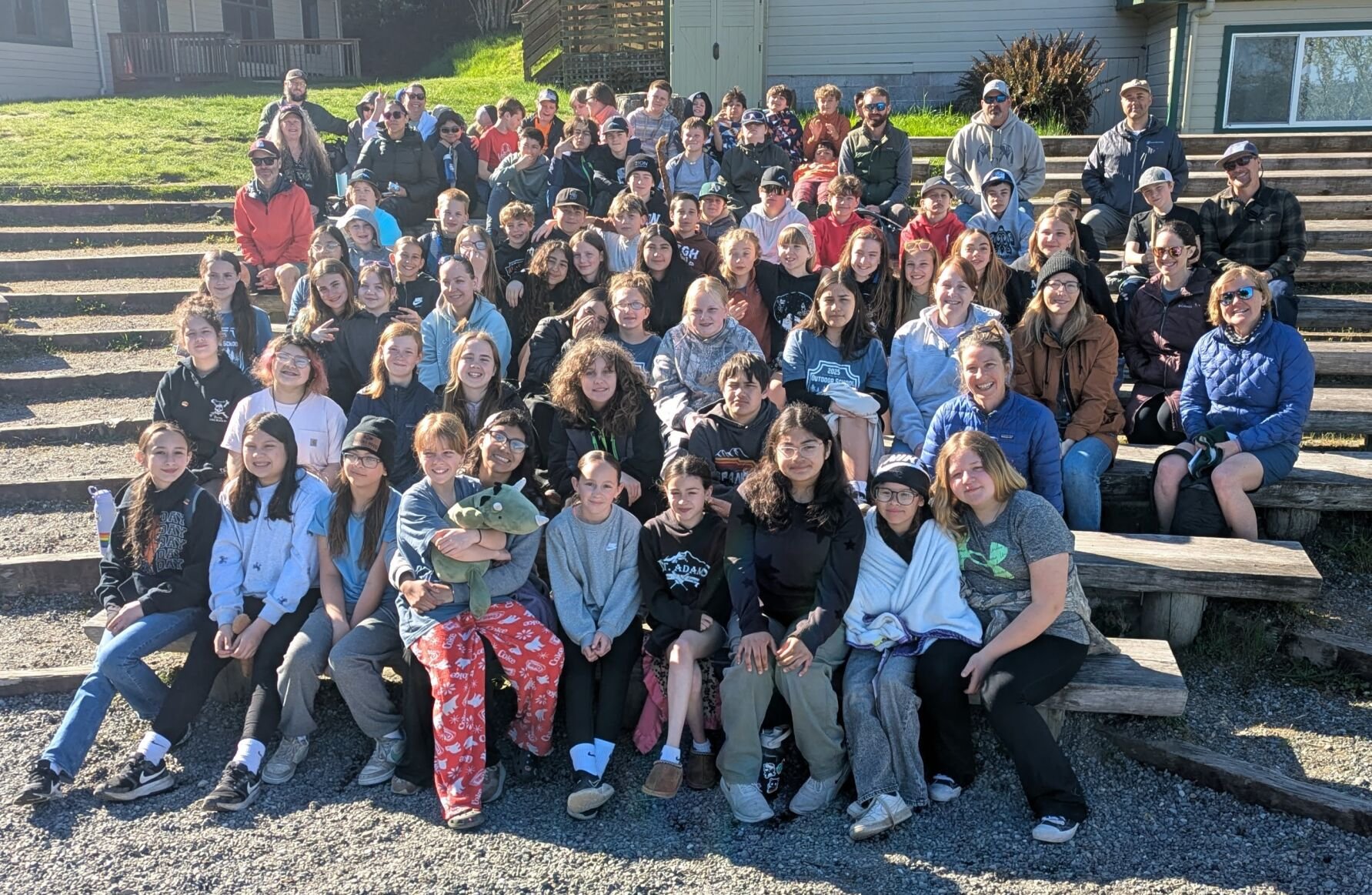
Over the past several years, thanks to strategic investment and deep collaboration between schools, tribes, state agencies, and outdoor learning providers, overnight outdoor education in Washington has flourished. More than 53,000 fifth and sixth grades students (as well as high school counselors) were supported to attend overnight outdoor school experiences in the 2024–25 school year-up from 45,000 in the year prior. OSWA was projected to support more than 63,000 students for 2025–26. These experiences helped students build connections with nature, deepen their academic understanding, and develop essential social-emotional and leadership skills.
This is a heartbreaking moment for outdoor education in Washington. But it’s also a powerful time to recognize the incredible momentum we’ve built. The numbers show what’s possible-and the stories from classrooms, forests, and campfires show why this work must continue.
The Outdoor Learning Grant Program prioritized students who have been historically underserved, including those in rural areas, tribal communities, and Title I schools. Through a data-driven funding model, schools serving high percentages of these students received full per-student support for multi-day, overnight outdoor learning experiences.
In partnership with OSPI and a statewide network of providers, OSWA launched training academy for new outdoor school management personnel, published a state-aligned Characteristics of High-Quality Outdoor Schools framework, and implemented endorsement standards for safety and instructional quality. Research partnerships with Clemson University and Virginia Tech are now underway to further measure outcomes and inform national best practices.
We’ve built more than a program-we’ve built a movement. Losing legislative funding is a setback, but it doesn’t erase the thousands of lives touched or the framework now in place to carry this work forward.
What you can do
Community members, educators, parents, and alumni of outdoor school can make a difference:
Tell your story: Share how outdoor learning impacted you or your students. Post online using #OutdoorSchoolWA, and tag @AWSP and @OSPI.
Contact your legislators: Let them know that outdoor education matters. Visit outdoorschoolswa.org/SOS (support outdoor schools) for information and templates.
Support your local school or site: Volunteer, fundraise, or help organize outdoor learning experiences.
Stay connected: Sign up for updates via the OSWA newsletter, The Lupine, at outdoorschoolswa.org.
Outdoor education teaches more than science. It connects all the learning, all the subject areas, and the students into applied learning. Outdoor school opens up students for possible career pathways that they may not have realized before. It teaches empathy, collaboration, resilience-and a sense of belonging. We remain committed to ensuring that every child in Washington has the opportunity to experience that.
“Outdoor school changed how I see the world. I learned that science isn’t just in books — it’s in the trees, the streams, and everything around me.”



Commented