THE GORGE — A public bus from the Columbia River’s in-lieu fishing sites to Wishram is helping some Indigenous people find stable housing. But even so, it’s still a choice between living at a fishing site, or walking their kids across a highway to school, said MCEDD Mobility Manager Kathy Fitzpatrick at a January The Dalles Community Affairs meeting, hosted by The Dalles Chamber of Commerce. Gorge Transit covers the entire Gorge, both Washington and Oregon sides of the river.
Starting in Klickitat and Skamania counties, they hope to help improve in-lieu access by working with the Columbia River Inter-Tribal Fish Commission in the future. Bus service helped some improve their living situations by giving them access to a Yakama Nation housing development in Wishram. “But what we’re discovering is there are 40 to 50 kids living in that housing development, and the school is across SR 14,” Fitzpatrick said. “The bus has to cross into a 65 mile per hour lane in order to drop passengers off when going in the opposite direction — or the bus drops passengers off, and the passengers themselves have to walk across that state highway.”
She called the situation “really serious” and noted that they’re working on a grant application and collaborating with Washington’s Department of Transportation to find bus stops along SR 14.
A new Bingen-to-Lyle route will also serve the fishing areas through Mt. Adams’ Transportation, which has been working to fund a new bus and hire a new driver.
“We are doing a lot of outreach to the Native Americans who live or fish or both at the numerous in-lieu, treaty fishing access sites,” said Fitzpatrick, noting Lyle has “been asking for public transit for many, many years.”
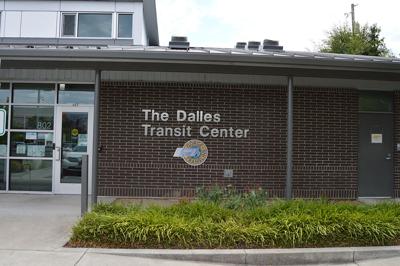
The Dalles’ routes have also been updated, with new routes and new stops.
Funding for transit is more uncertain than before, as the federal government has threatened to take transportation funding if states didn’t turn transit centers into detention centers or allow immigration agents to set up there, Fitzpatrick said. Oregon was among 20 states that sued, and won their lawsuit, but it’s an ongoing battle. “If the [Federal Transit Administration] refuses to contract with our states, then our grants will disappear,” Fitzpatrick said.
She also said expenses have risen “extraordinarily,” with buses costing almost twice what they did in 2020. Oregon Gov. Tina Kotek, threatened with a referendum, also rescinded last summer’s 4.3 billion transportation package, which would have given Gorge Transit enough money to continue current services, earlier this month.
Gorge Transit gave over 160,000 rides last year.
Fitzpatrick called for continued advocacy, leadership and creative solutions to expand public transportation here.
Gorge Transit has “a great relationship” with local employers and businesses, she said. Other things they’re doing include working with emergency services. They also work with The Next Door Inc. and the Hood River Latino Network.
Free passes are still available to some low-income residents and workers in downtown areas at www.gorgetransit.org.



Commented