HOOD RIVER — Kayaking, adventure and environmental advocacy are interwoven in the full-length film documentary “The Grand Salmon,” premiering Oct. 10 at Columbia Center for the Arts. Tickets are $15 and available online at columbiaarts.org.
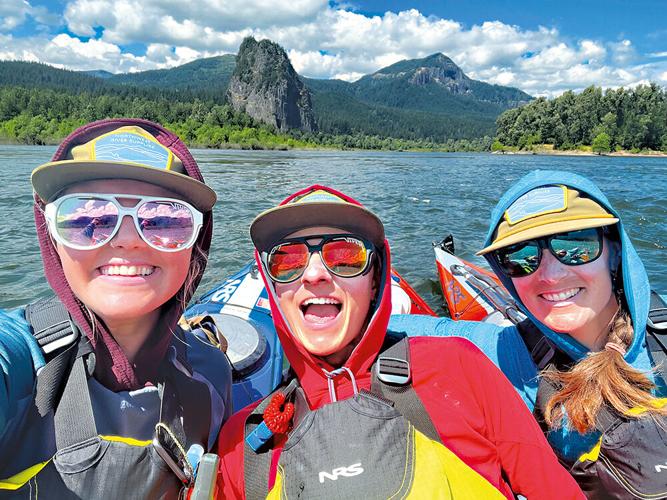
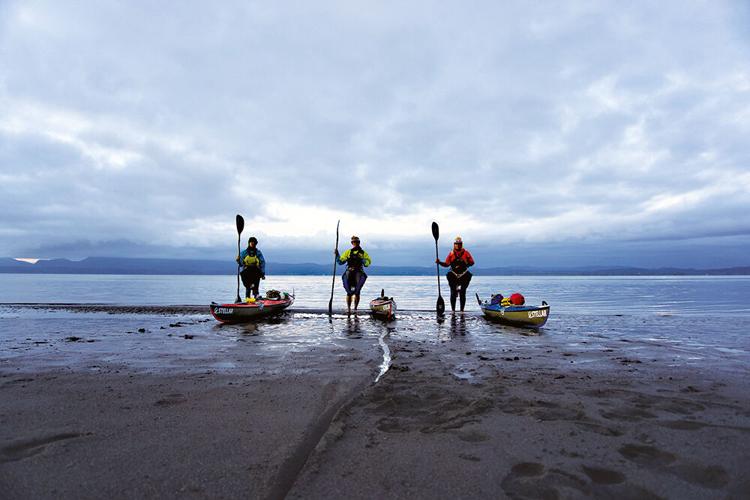
Directed by Jess Wiegandt, “The Grand Salmon” from Ripple Skip Collective follows the 2022 expedition of Booke Hess, Hailey Thompson and Libby Tobey as they ski and kayak 1,000 miles from the headwaters of the Salmon River in Idaho, through the Columbia Gorge and end in the Pacific Ocean.
Their goal is to advocate for restoring the sockeye, steelhead and chinook salmon populations, all of which have been on the Endangered Species Act since the 1990s. Included in the conservation efforts is the Pacific Lamprey, an eel-like primitive fish.
“Rivers are everything to me, and I’ve had the best moments of my life on the river and the worst moments of my life on the river,” Hess said, the expedition leader who has been kayaking nearly her entire life. “Watching these salmon populations decline on these rivers I love so much like on the Salmon River, which I have been paddling for more than 15 years now, is just devastating.”
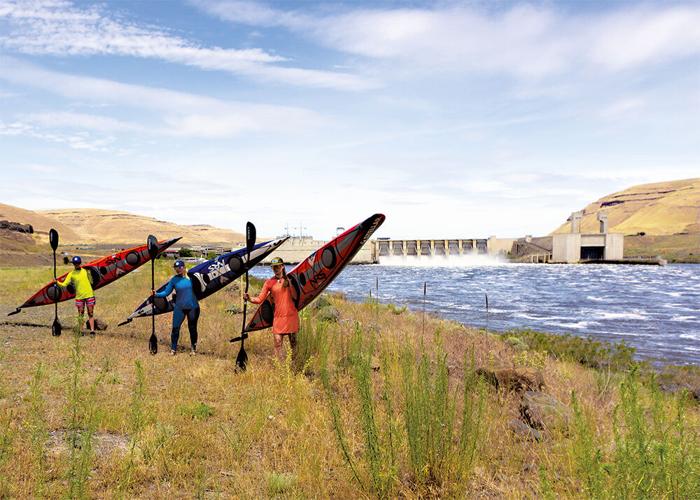
The 78-day journey launched at a snow-covered Mash Creek Launch in Idaho on April 30, 2022, ending once they reached the ocean outside of Astoria, Oregon on July 15, 2022. On day 63, the trip even included a motorized vehicle escort through the lock in the Dalles Dam by friends Anna Wagner, Sam Swanson, Matt Anger and Rachel Fleischut. The lock is normally reserved for barges.
“We were inside the belly of the beast,” Hess noted. “It was a strange experience.”
This journey downriver, while not often completed by humans, is familiar to the native salmon, an anadromous species. Each year the smolts, or baby salmon, take the same path from their spawning grounds to the ocean. However, Brooke explained the migration corridor is severely affected in both directions by the four Lower Snake River Dams, which block the passage and lead to an increase in water temperature above the harm threshold of 68 degrees.
“Salmon are a keystone species, these salmon populations support 200 plus species surrounding them,” Hess said, pointing to how after salmon spawn their carcasses are brought into the forest to eat by bears and other predators, which becomes nutrients for the trees and vegetation.
“If they go extinct, the entire mountain river ecosystem will be impacted negatively — not just the river, not just the salmon, but the whole ecosystem surrounding it,” Hess added. “Right now, it looks like they will [go extinct], unless we remove these four Lower Snake River Dams.”
In 2024, the Hot Water Report conducted by Idaho Rivers United reported that the wild native sockeye salmon in the Snake River Basin had four adults return to their spawning grounds at the Stanley Basin Lakes.
The event will also feature a new short film from River Roots Productions, Darby McAdams, and a silent auction raising funding for Paddle Tribal Water students attending World Class Academy through a program created with Ríos to Rivers.
“[Ríos to Rivers] are teaching the youth of the Yurok Tribe, which is the tribe on the Klamath River, how to whitewater kayak so that they can do the first descent of the Klamath River after the dams are out,” Hess said. “We have this dream that we will do a similar project on the Snake River with the Nez Perce youth one day, once the snake dams are officially coming out.”
Since the expedition, Hess stated there has been positive legislative movement to breach the four Lower Snake River Dams.
“Last year [2023], in December, the Biden-Harris administration announced a 10-year partnership with [Pacific Northwest] Tribes to restore wild salmon and expand clean energy. And essentially, what they’re trying to do is replace all of the benefits that we get currently from the Four Lower Snake River Dams,” Hess said. She explained this means looking for alternative transportation and power sources.
For those interested in learning more about the film or joining the advocacy efforts through writing congressional delegates, Hess recommends visiting their website at salmonsourcetosea.com.



Commented
Sorry, there are no recent results for popular commented articles.