Two students from Columbia High School in White Salmon were recently selected to serve a one-year term as representatives to the White Salmon Valley School Board, seated with five elected board members.
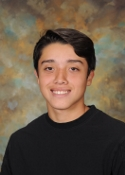
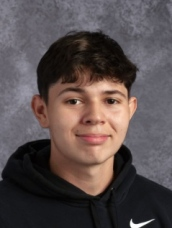
Oscar Robles and Leonardo “Leo” Wilson, both 17-year-old seniors at Columbia High School, attended their first board meeting this November as student representatives, paving the way for more student inclusion in decision-making at the district level.
Leo Wilson
Oscar Robles
The decision to appoint the two students as non-voting representatives marks the culmination of discussions among veteran board members to bring student voices and perspectives into conversations held at the district’s monthly meetings. The board voted last spring to bring on two members of the student body as representatives to attend meetings, listen, and discuss with district officials board actions and other school district ongoings.
“The White Salmon School Board recognizes the importance of student voice,” said School Board Vice Chair Alan Reitz. “We’ve got two young men who are excited and involved. The role of these students is to provide a bridge between the student body and the board on important decisions. They will help the board to understand what students see as strengths and weaknesses in the school experience and use that information to inform decisions.”
Following board approval of two spots for students to serve a year as board representatives, District Superintendent Sean McGeeney led the recruiting process and interviewed the two Columbia High seniors, awarded them the spot in time for the Nov. 18 meeting.
“This decision reflects the board’s strong commitment to keeping students at the heart of their work,” McGeeney said. “The students selected are trailblazers and outstanding K-12 representatives.”
For Robles, the opportunity to represent the student body comes as a serious responsibility.
“It’s beneficial for the student body to have a representative because most students have no clue what’s going on at board meetings or anything that the school board is doing,” Robles said. “I think having that representative will open the conversation more about what actually goes on at board meetings and hopefully bring more student involvement at the meetings.”
His first month as a student representative has been marked by actively engaging his peers and searching for feedback on what issues the district needs to address. He does not have a specific agenda to accomplish right now, and he noted that his fellow board members do a “phenomenal job of addressing the needs of this school district,” citing district presentations to the community on topics related to COVID-19 and the district’s budget.
“I like being involved in this community and knew that being a student representative for the board would help increase that involvement with this community,” Robles said. “I am most looking forward to being that voice of the students and bringing any issues that the student body may have to the board.”
Wilson said he applied for the role advantage of the opportunity “to be a leader and voice for my classmates.
“I also applied because it sounded interesting to learn what the school board discussed and what kinds of actions they take for our schools,” Wilson said. “I look forward to learning as much as I can on being a better leader and bringing the student body’s voice to the board.”
To Wilson, serving as a representative means being a messenger between the student body and the school board.
“We are able to communicate what is happening at our schools through a students perspective and share any ideas that we the student body may have. We can also communicate anything the board finds important to the student body,” Wilson said.



Commented