Partly cloudy skies this morning will give way to occasional showers during the afternoon. High near 55F. Winds WNW at 10 to 20 mph. Chance of rain 60%..
Irrigation season ended Sept. 30, but for many irrigators in the valley, it ended sooner. The low snowpack last winter, coupled with a hot, dry summer, meant that irrigators started watering earlier in the season and water supplies dwindled sooner. Dee Irrigation District ran up against its duty (annual consumptive water right) in early September and had to cease drawing water from the West Fork Hood River. Farmers Irrigation District’s upper district patrons managed to finish the irrigation season without draining Kingsley reservoir by going on a three-and-a-half day rotation schedule in early July. The heat and limited water likely influenced crop yield, but enough water remained in the valley’s rivers and streams to prevent direct mortality of endangered salmon and steelhead. Good instream flows and cool temperatures are essential for aquatic life.
The ability to weather the low flows was the result of many years’ work on the part of irrigators, irrigation districts, and partners. Piping of irrigation canals, installation of efficient drip and micro-irrigation systems and refined irrigation water management techniques all helped. Cooperation by both urban and rural residents who let their lawns go dormant limited the impact of low water levels. Thanks to everyone who did their part to help our farms and fish survive. Let’s keep our fingers crossed for a decent snowpack this winter and continue the good work on conservation efforts!
After this past summer, we’re all breathing a sigh of relief with the return to cooler temperatures and rain. As the days get shorter and the salmon runs return, let us not forget the long hot summer we just experienced. The drought resulted in irrigation water rationing, extremely low river flows, plant stress and more. We all had to make adjustments to deal with this new reality. With the potential for more dry years ahead, now is a good time to take steps toward reducing water use throughout your landscape. Here are some outdoor water saving steps that you can take to prepare for next summer.
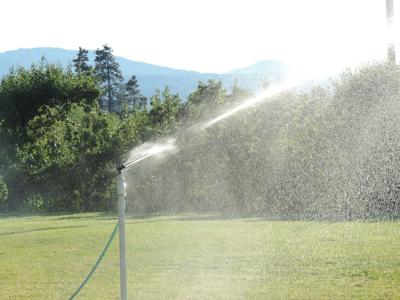
1) Fix or upgrade irrigation systems and hoses. Large volumes of water are lost due to broken or leaky pipes and equipment. Too much water is used by high flow sprinklers. The off season is a good time to replace high flow sprinklers with more efficient sprinkler heads. It is also a good time for routine maintenance, repairs, and system upgrades.
2) Plant drought tolerant turf or an ecolawn. Green lawns are one of the largest water uses in many household. Fall is a good time to reseed and establish a drought tolerant turf variety or an eco-lawn. It is also a good time to consider removing your lawn all together and replacing it with landscape alternatives.
3) unique climate, precipitation, soils and pests of the region they are from. After establishment, they require little water or maintenance to thrive.
4) Mulch, mulch, mulch. Covering the soil with mulch, whether bark, straw, or even this newspaper! Mulch protects soils from erosion, improves water infiltration, moderates soil temperatures, and improves water retention in the soil.
5) Hydrozone. Cluster species with similar water requirements together in your landscape. This will make watering easier and more efficient. It will also allow you to create and/or automate an effective irrigation system.
6) Automate. Automating your outdoor irrigation system can increase efficiency by allowing you to easily water at the optimal times of day and for the ideal length of time. After your system is in place, be sure to monitor soil moisture to determine if you need to irrigate. And remember, you don’t need to irrigate when it’s raining!
7) Plan. Winter is a good time to make new plans for your garden and irrigation systems. Taking the time to talk to an irrigation specialist and other landscaping experts can help you increase your water efficiency while creating a landscape that you will love.
If we all work together, our precious water resources can be sustained long into the future. If you would like more information or have other resource questions about your property the Hood River Soil and Water Conservation District can help! The Hood River SWCD is also a great source for native plants. Contact Kris at kris@hoodriverswcd.org or call at 541-386-4588 for more information.



Commented