For the tens of millions of Americans who work remotely on any given weekday, every day is already a work-from-home day. National Work From Home Day just makes it official. It also raises a question worth sitting with: what did workers do with the time remote work gave back?
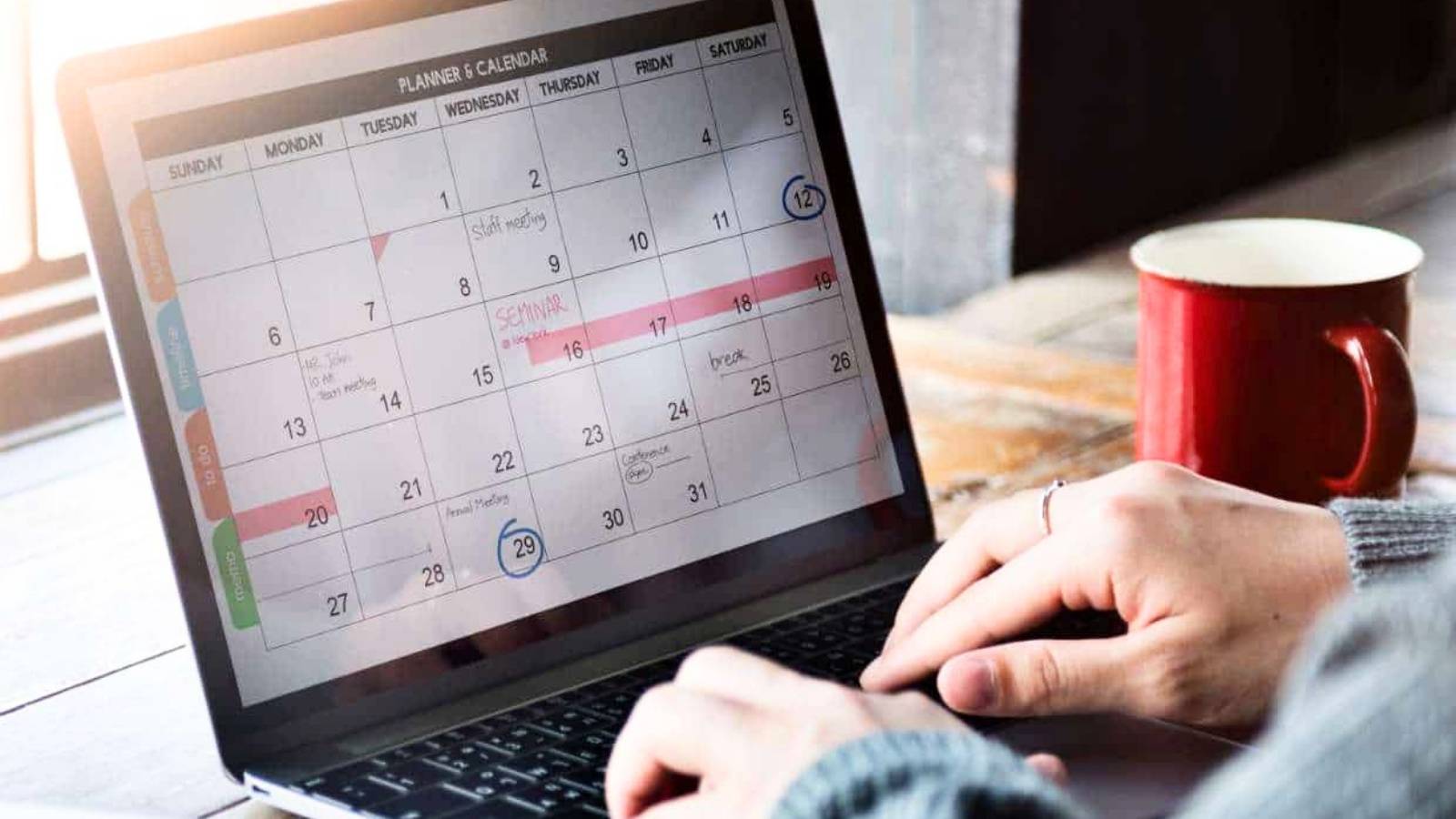
Photo credit: Depositphotos.
The answer, it turns out, is pretty human. A long-term analysis of American time-use data found that when the commute disappears, workers put that time toward sleep, cooking, exercise and family. Not strategy sessions. The ordinary stuff that makes a day feel like a life.
The alarm stopped being the enemy
Seven in 10 remote workers report lower stress since leaving full-time office schedules. A lot of that comes down to sleep. Workers who don’t have to catch a 7 a.m. train are getting more of it, and the difference shows up well before noon. Better sleep means sharper focus and fewer sick days. None of that shows up in a productivity dashboard, but all of it changes how a workday feels.
Photo credit: Depositphotos.
Lunch became a real meal again
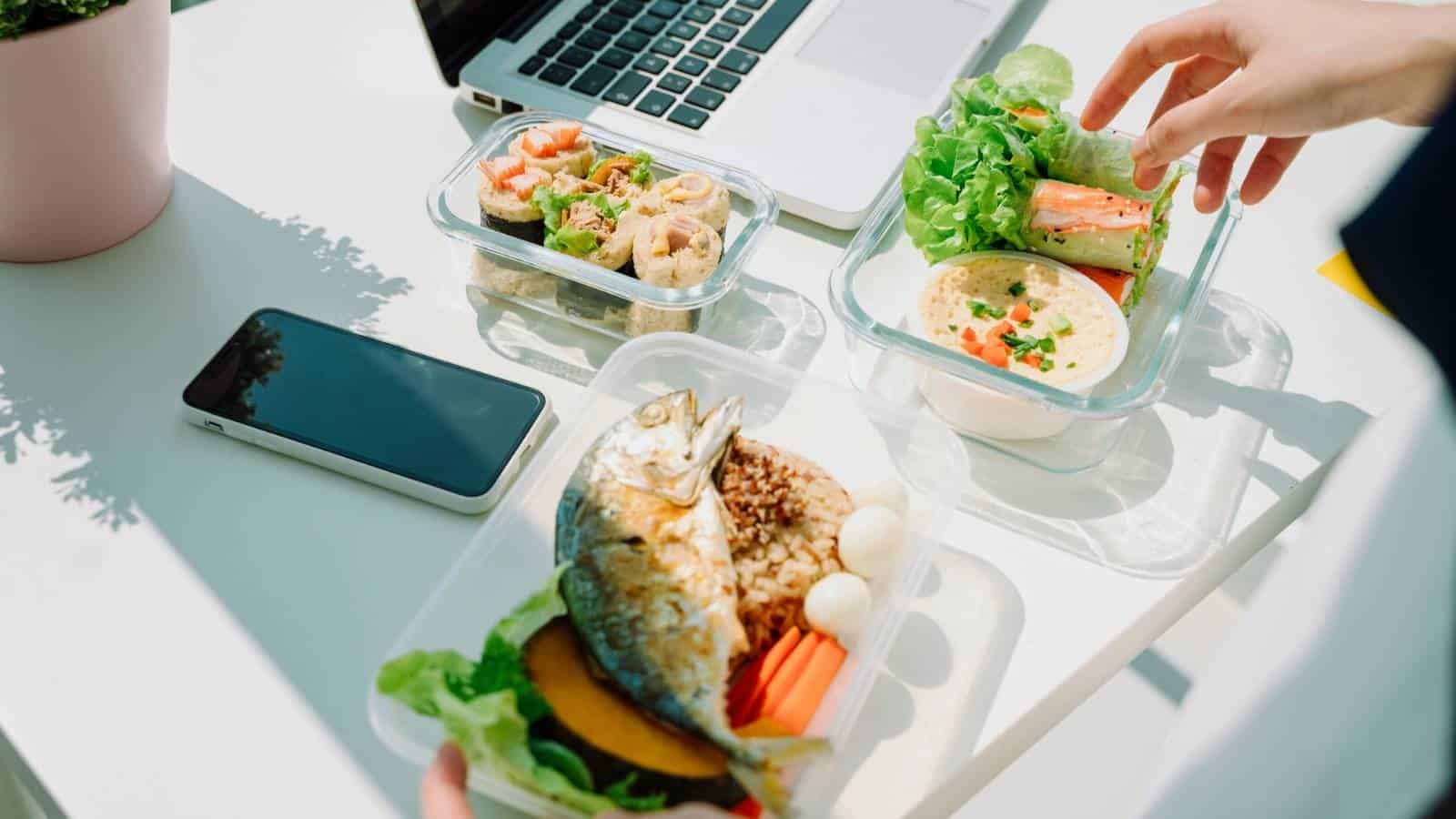
The desk granola bar is gone. In its place: an actual meal, made in an actual kitchen, eaten sitting down. Seventy-one percent of Americans say cooking is more stress-relieving than stressful, and 83% say eating with others is better for their mental health. Among people who planned to spend more time in the kitchen, 81% cited health as the reason. The home kitchen was always there. What changed was having the hour to use it.
Photo credit: Depositphotos.
The midday walk became a real thing
The commute was often the only walking some people did all day. Research on American time-use data found that exercise time increased for remote workers on their home days compared with workers required to be on-site. The midday walk, the workout between calls, the run that used to need a 5 a.m. alarm: those aren’t aspirational anymore. They’re on Tuesday afternoon.
The people at home got more of the day
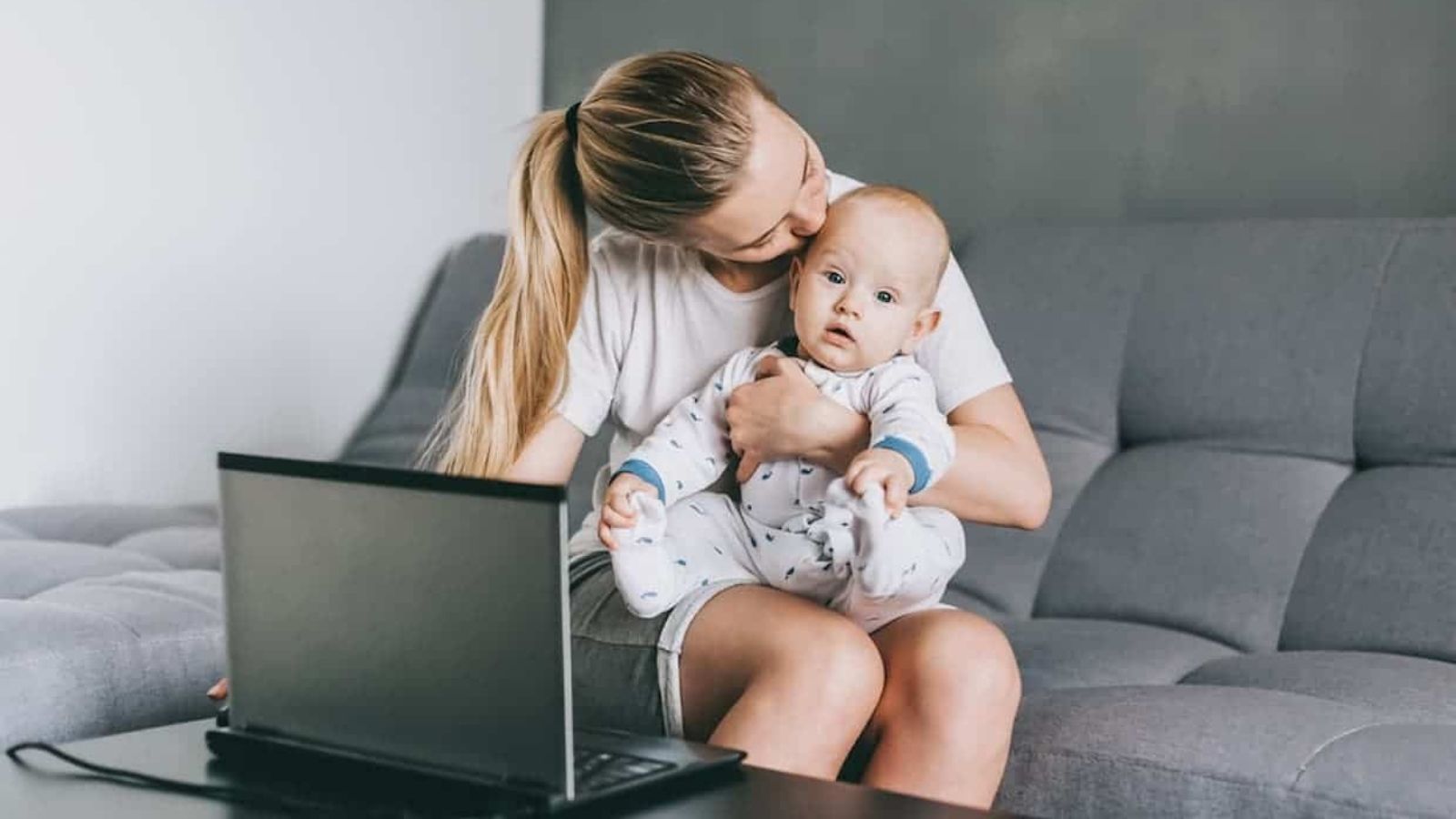
More than 6 in 10 remote workers say they now have more room for family and personal pursuits, per the same remote work well-being survey. A child gets a parent home before dinner. An aging parent gets the check-in call that used to fall through the cracks. A partner doesn’t have to handle everything alone because someone is available at 3 p.m. The hour that used to go to a highway goes there instead.
Photo credit: Depositphotos.
It adds up to more than flexibility
The return-to-office debate will keep going. But the workers living this every day already know what the data confirms: the best hours of the workday are the ones that used to disappear before it even started.
Jennifer Allen is a retired chef turned traveler, cookbook author and nationally syndicated journalist; she’s also a co-founder of Food Drink Life, where she shares expert travel tips, cruise insights and luxury destination guides. A recognized cruise expert with a deep passion for high-end experiences and off-the-beaten-path destinations, Jennifer explores the world with curiosity, depth and a storyteller’s perspective. Her articles are regularly featured on the Associated Press Wire, The Washington Post, Seattle Times, MSN and more.




Commented
Sorry, there are no recent results for popular commented articles.