
Mexico City’s food scene draws growing attention from American travelers as restaurant searches climb to record highs and visitors increasingly plan entire trips around where they want to eat. Travelers who once built Mexico itineraries around beaches or resorts now book flights for restaurant reservations, market visits and neighborhood food crawls across the capital.
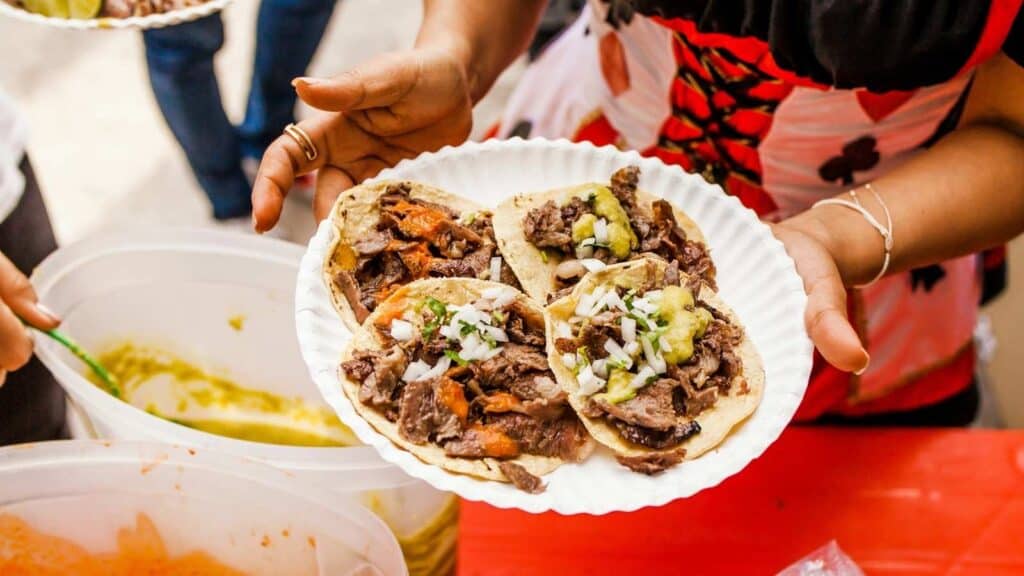
Google’s 2026 travel trend data shows search interest in “best restaurants in Mexico City” reached a 10-year high, while “Mexico City street food tour” emerged as a trending search term among travelers planning food-focused trips, according to Google 2026 Travel Trends. The rise indicates how Mexico City moved beyond being viewed mainly as an affordable getaway to a destination where eating itself is the main attraction.
Global recognition puts Mexico City restaurants on more American itineraries
Restaurants like Quintonil and Pujol helped raise Mexico City’s visibility with international travelers as Michelin recognition and global restaurant rankings exposed more visitors to restaurants already central to the city’s food scene. American travelers increasingly arrive with reservation alerts set months ahead of trips, especially for restaurants that regularly appear on global best-of lists.
The World’s 50 Best Restaurants ranked Quintonil No. 3 in 2025, while the Michelin Guide 2024 Mexico awarded both Quintonil and Pujol two stars, and the attention reaches beyond tasting menus. Travelers who first hear about Mexico City through internationally recognized restaurants often end up building trips around markets, bakeries, taco stands and neighborhood dining once they arrive.
Much of the city’s appeal comes from how chefs approach Mexican ingredients and regional cooking traditions without flattening them into a generic fine-dining format. Corn, moles, native herbs and local seafood appear in ways that feel modern while still tied closely to the country’s culinary identity.
At Rosetta, chef Elena Reygadas helped attract international attention with a restaurant that feels refined without becoming overly formal. Nearby, Panadería Rosetta developed its own following, with travelers lining up in the mornings for pastries before continuing to markets, cafes or afternoon reservations elsewhere in the city.
Restaurants like Máximo expanded that appeal further by combining polished cooking with a more relaxed atmosphere that encourages repeat visits instead of one-time bucket-list dining. Michelin included Máximo in its 2025 Mexico selection through the Michelin Guide Mexico 2025 Selection.
Markets remain central to the experience
Even as Mexico City’s restaurant scene gains global attention, many travelers spend just as much time inside markets as they do in restaurants. Food-focused visitors increasingly build itineraries around places where they can move between prepared foods, produce stalls, spices and traditional cooking in one stop.
At Mercado de San Juan, travelers browse specialty ingredients, seafood, meats and prepared foods that showcase the depth of Mexican cooking beyond what many Americans encounter at home. The market attracts both chefs and visitors who want to gain a better understanding of the ingredients driving many of the city’s restaurants. Mexico City’s tourism office showcases the market as one of the city’s best-known culinary destinations through its Mercado de San Juan guide.
Mercado de Coyoacán offers a different pace, with tostadas, snacks, candies and casual meals pulling travelers into longer visits that often stretch beyond lunch. The city’s tourism office also refers visitors toward the market through its Mercado de Coyoacán guide.
The growing interest in markets signifies a broader change in food tourism. Travelers increasingly want to see how dishes connect to ingredients, neighborhoods and daily life rather than treating restaurants as isolated experiences.
Street food tours help visitors navigate the city
Street food remains one of the biggest draws for international visitors, but many travelers now approach it through guided tours that help them navigate the scale of the city and the sheer number of options.
Food tour companies increasingly combine tacos, markets, mezcal tastings and neighborhood history into structured experiences designed for visitors unfamiliar with Mexico City’s geography or food culture. Companies including Club Tengo Hambre and Eat Like A Local Mexico City now market tours that move travelers through neighborhoods, taco stands and smaller vendors they might otherwise overlook on their own.
Al pastor remains one of the biggest gateway foods for visitors, but travelers also search out specialties like suadero, birria and regional dishes that represent Mexico City’s role as a meeting point for cuisines from across the country.
Neighborhood dining becomes part of the trip itself
The city’s food appeal extends beyond individual restaurants as entire neighborhoods now function as dining destinations. Food-focused travelers often favor walkable areas where restaurants, cafes, bakeries and cocktail bars cluster together throughout the day.
Roma and Condesa continue to attract visitors because tourists can move between breakfast, coffee, lunch, drinks and late-night tacos without relying heavily on transportation. Long meals often spill into bakery visits, cocktail stops or evening street food runs that stretch the dining experience across an entire day.
In Polanco, much of the city’s high-end dining scene remains concentrated around internationally recognized restaurants and luxury hotels. The neighborhood continues to draw visitors who structure trips around difficult reservations and destination restaurants.
Places like Contramar bridge both worlds. The seafood restaurant became known for long lunches and a dining style that blends local diners, international travelers and a more relaxed approach to destination dining closely tied to the city itself.
The appeal goes beyond affordability
Cost can still play a role in Mexico City’s appeal for Americans, particularly for visitors accustomed to expensive dining scenes in New York, Los Angeles and San Francisco. But lower prices alone no longer explain why the city continues drawing repeat visitors.
For many tourists, the interest comes from the sheer range of experiences packed into the city’s food culture. A single day can include lunch at a market, tacos from a street stand and dinner at a restaurant recognized by Michelin or the World’s 50 Best rankings.
That range explains why so many tourists now approach Mexico City less as a side trip and more as a culinary destination on par with cities traditionally associated with food tourism. Visitors may arrive in search of a reservation or a viral taco video, but many leave talking about the city itself and how food shapes nearly every part of it.
Jennifer Allen is a retired chef turned traveler, cookbook author and nationally syndicated journalist; she’s also a co-founder of Food Drink Life, where she shares expert travel tips, cruise insights and luxury destination guides. A recognized cruise expert with a deep passion for high-end experiences and off-the-beaten-path destinations, Jennifer explores the world with curiosity, depth and a storyteller’s perspective. Her articles are regularly featured on the Associated Press Wire, The Washington Post, Seattle Times, MSN and more.
The post More Americans are flying to Mexico City for one thing, and it’s not the city’s history appeared first on Food Drink Life.


Commented