
Glaciers are losing ice faster than ever recorded, threatening water supplies for more than 2 billion people who depend on the melt for drinking water. World Day for Glaciers on March 21 brings the issue into focus, but the crisis already affects water systems, flood risks and coastal planning. What begins as distant ice loss now determines whether cities can deliver clean water and whether shorelines can withstand the next storm.
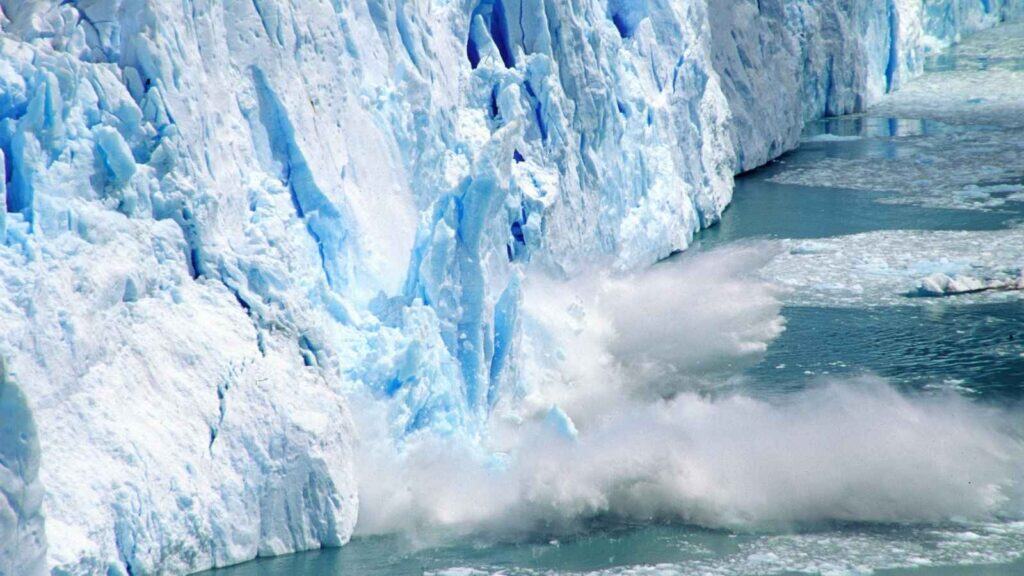
The urgency does not come from symbolism alone. Data from major international agencies indicate faster glacier loss at a time when communities already face greater pressure from flood risk. World Day for Glaciers gives that evidence a public moment and makes the stakes harder to dismiss.
Glaciers matter now
World Day for Glaciers is now part of the official United Nations observance calendar, and UNESCO ties the day to a simple point: glaciers help sustain life well beyond the peaks where they sit. The agency says more than 2 billion people rely on glaciers and snowmelt for freshwater, while projections state that one-third of glacier sites could disappear by 2050. Those figures give the observance real weight because they connect melting ice to water access, agriculture and public planning instead of leaving it as an abstract environmental talking point.
Recent glacier records add even more urgency. The World Meteorological Organization says 2022 through 2024 brought the largest three-year glacier mass loss ever recorded, while the 2024 hydrological year made it the third straight year in which all 19 glacier regions posted net mass loss. In plain terms, glaciers are not slipping a little at the edges; they are losing ground across the map, and the record books keep getting rewritten for the wrong reason.
Water systems feel strain
The water issue sits at the center of this discussion and reaches far beyond mountain towns. UN-Water states that mountain meltwater supplies drinking water, sanitation, food production, and energy for billions of people; however, faster glacier loss now makes the water cycle more unpredictable and extreme. Glacial retreat also raises the risk of floods, droughts, landslides and sea-level rise, so the practical question is no longer whether communities will feel the effect but how soon local systems will have to adjust.
The urgency grows as many economies depend on predictable water timing, not just volume. UNESCO’s 2025 water report says mountain waters and alpine glaciers support basic human needs, which means irregular melt can disrupt planning even before a supply crisis arrives. A river that runs too hard in one season and too weak in another creates problems for utilities or farmers, and nature does not wait for anyone to adjust their plans.
Coastlines face a higher risk
Melting glaciers also contribute to sea-level rise, and the numbers here have risen quickly. The World Meteorological Organization cites a major international study that found glaciers lost 6,542 billion tons of ice from 2000 to 2023, adding about 18 millimeters to global sea levels over the same period. Even a figure that sounds modest on paper becomes serious at the shoreline, where higher baseline sea levels leave less room for storms, high tides and drainage systems to do their jobs.
Longer records add more weight to the warning. Since 1975, glaciers have lost more than 9,000 gigatons of ice, or enough to cover an area the size of Germany to a depth of about 25 meters. For coastal cities and low-lying communities, that loss makes glacier preservation a matter of risk planning because rising seas increase flood risk.
Science guides local action
The official message around World Day for Glaciers does not stop at warning labels. UNESCO says it is connecting science to practical action through glacier research, water programs and the Decade of Action for Cryospheric Sciences. The organization also says this work can help communities prepare for glacier change and related water stress as local risks become harder to ignore.
Public agencies can apply that guidance in concrete ways as glacier loss places more pressure on water planning and hazard response. Water planners can revisit seasonal runoff assumptions, while emergency teams reassess flood exposure and planners update long-range infrastructure decisions with stronger scientific backing. World Day for Glaciers may last one day on the calendar, but the need for action remains in front of decision-makers because the risks now affect essential services that communities rely on every day.
Glacier loss demands action now
Glacier loss now makes it harder for governments to treat melting ice as a distant concern discussed only on global observance days. The evidence points instead to a growing policy issue that affects water management, flood readiness and the long-term reliability of public systems. World Day for Glaciers may bring the issue into a clearer public view, but the lasting measure will be whether leaders respond with planning that matches the scale of the warning.
Mandy writes about food, home and the kind of everyday life that feels anything but ordinary. She has traveled extensively, and those experiences have shaped everything, from comforting meals to small lifestyle upgrades that make a big difference. You’ll find all her favorite recipes over at Hungry Cooks Kitchen.
The post Global observance raises alarm over melting ice appeared first on Food Drink Life.


Commented