Zoos "could be doing more" to help protect endangered species, suggests new research.
Most fish and animals kept in U.K. zoos and aquariums are nonnative and not classified as threatened — undermining conservation goals, say scientists.
Fewer than one-third of captive vertebrates are classified as globally threatened and just 9% are native to the U.K., according to the findings.
The study showed that, in British zoos and aquariums, just one in 50 of vertebrate species (2%) are classed as high conservation priority.
Although zoos were originally opened to entertain the public, over time their role in society has expanded to include education, research and conservation.
(Photo by Atlantic Ambience via Pexels)
By Talker
But researchers say those different duties can create conflicting priorities.
For example, large, charismatic species are more likely to attract paying visitors, which are essential for a zoo's financial sustainability.
Previous studies of zoo collections have found biases toward globally nonthreatened species, but the representation of native and locally threatened species has not been investigated.
They cross-referenced each captive species with the International Union for Conservation of Nature (IUCN) Red List of Threatened Species, published lists of native British species and regional conservation priority lists across the U.K.
They identified more than 2,600 vertebrate species held in captivity in British zoos and aquariums.
(Photo by Karen F via Pexels)
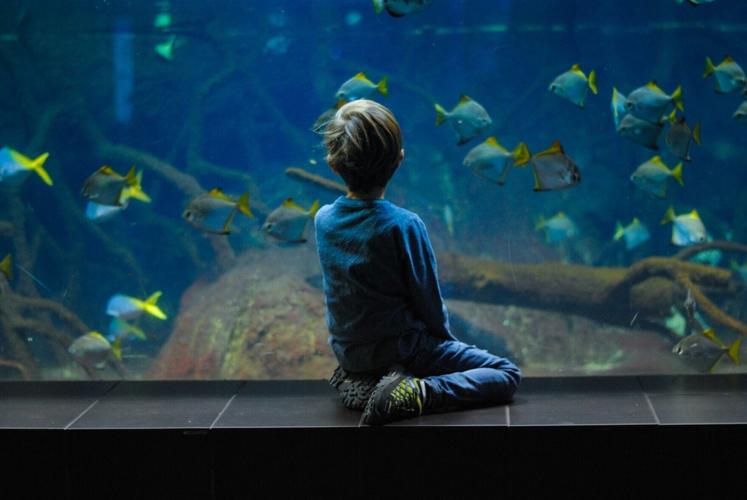
Of 106,000 captive individuals, about 61% are fish, 16% are birds, 15% are mammals, 5% are amphibians and 4% are reptiles.
Fish are the most diverse group and have the highest species richness.
Amphibians have the lowest diversity and the smallest number of species in British zoos, despite being the most threatened vertebrate class.
Captive species classified as vulnerable, endangered or critically endangered in the IUCN Red List represent just 28.5% of the total, and their populations are less than half the size of nonthreatened species.
The findings, published in the journal PLOS One, showed that only 9% of captive species are native to Britain, and just 2% appear on one or more conservation priority list.
Lennon said the results show that although BIAZA institutions have a bias toward globally nonthreatened species, they are contributing to the preservation of the U.K.'s native and priority species.
(Photo by Omar Ramadan via Pexels)
By Talker
However, given that conservation is a cornerstone of BIAZA membership, he says British zoos and aquariums "could be doing more" to increase the diversity and population sizes of threatened species in their collections.
Lennon, a Ph.D. student, said: "Conducting this research changed my own perspective.
"Like many people, I was aware of the criticism surrounding zoo and aquaria, and it's right that they continue to be challenged to demonstrate their conservation value.
"But spending years analyzing these collections also revealed how much important work takes place beyond the exhibits."
He added: "Modern zoos are no longer simply places where animals are displayed.
"They have become centers for conservation breeding, scientific research, education and international collaboration, working together to safeguard species that may one day return to the wild."



Commented