To adapt to flexible and hybrid learning models emerging from a year centered on public health response, Columbia Riverkeeper developed four virtual science units that tackle important environmental issues and inspire action. Kids can work on the units at home on their own, or teachers can facilitate learning in a classroom or online. The lessons, experiments, and hands-on activities use supplies and materials can be found in most homes.
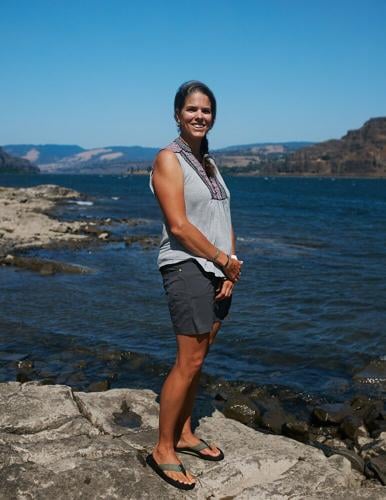
Water Quality Director Lorri Epstein, Columbia Riverkeeper.
Photo courtesy of Columbia Riverkeeper
“The Columbia river has the ability to inspire education every day and should play a vital role in connecting our students to innovative and engaging forms of learning,” said Lorri Epstein, Columbia Riverkeeper’s Water Quality director. “We hope this eases the pressure for teachers, parents, and students by centering the natural environment as one of our best and most accessible resources for education.”
The curriculum, supported by a grant from the U.S. Environmental Protection Agency, is tailored for sixth through eighth grade and taught to middle school science standards, but could easily be adapted for other ages, said a press release. Students will learn to define environmental problems, evaluate evidence, and develop their own solutions. The lessons focus on pollution prevention and engaging topics in four areas:
Unit 1: Household Contaminants
Unit 2: Stormwater
Unit 3: Riparian Zones
Unit 4: Plastics
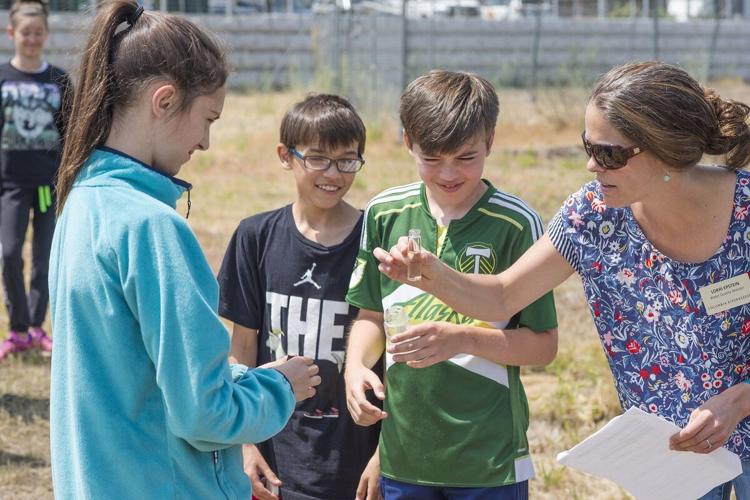
Students test the pH levels in the Columbia River with Lorri Epstein, water quality director.
RJ Chavez file photo
Columbia Riverkeeper intends to update the curriculum seasonally and will post updates directly on the website. The open-source curriculum is designed for engagement along the Columbia River, but can be adapted to the proximity of teachers and learners. For example, one of the activities in the Unit 3: Riparian Zones calls to visit Nichols Natural Area in Hood River. This location could easily be modified to another habitat restoration area.
For questions regarding the curriculum, contact Columbia Riverkeeper’s Water Quality Director Lorri Epstein at lorri@columbiariverkeeper.org.



Commented