From a beekeeper’s standpoint the ecosystem surrounding a honey bee hive is just as important as the bees residing within. A symbiotic relationship, one with the other.
As a beekeeper sets about to inspect their colony one would expect the interior to have honey bees. Yet, one must be prepared to find other creatures. For instance, spindly spiders, slimy slugs, a mouse or two, frogs, and more. These creatures seek the warmth afforded by the honey bees.
The bees may be in contention with other pollinators out shopping for their morsels for their broods’ dining table: Butterflies, beetles, moths, flies, hummingbirds, and bats to name a few.
Then of course there are those in the colonies seek harm — Skunks, and raccoons. Of course there are bears seeking the delights of honey, but there are also insects seeking protein for their young — hornets, wasps, yellow jackets, praying mantises, dragon flies, and robber flies.
Then birds such as flycatchers, shrikes, robins and blue jays. One must be thinking it is a cruel world surrounding the bee colony.
Honey bees whether feral (wild) or sitting in the backyard, are surrounded by a complex ecosystem. Consider a world devoid of flowers or other plants offering nectar and pollen. What if there were no pollinators?
These wintry days as most wildlife in hunkered down in slumber, humans are heard to converse about the weather. When is spring coming? Why isn’t there any snow to ski upon? I’m tired of all this rain.
But for the honey bee colony who are snuggled in a cluster surrounding the queen in protection this finds a time for the queen to restart her egg laying. She took a siesta over November and December. But now she must lay her eggs to replace the ten or fifteen thousand ‘winter bees’ and begin the population expansion upward to fifty thousand.
The bee season goes from a small (winter months) to large colony (nectar flow season). The small sized colony thrives through the winter months on the stored honey from the previous season. But this time of year, the tribe is taking a yawn and stretch in preparation for the arduous duties awaiting them in the next few months.
The girls’ duties have now expanded from the critical one of creating heat inside the hive. Now the girls must expand their chores tending to the brood (babies) who need to be fed once every two seconds, cleaning cells in preparation for the queen laying an egg, removing debris from the hive (girls are very fastidious), heating the brood area to keep the nursery at a constant 92º, removing trash from the hive, guarding the entrance to keep vermin out, and just as important dehydrating the nectar into honey through heating.
Have you taken a gander at your surroundings? What delights surround your house? Maybe a bird feeder delights you with the spectrum of species gracing your yard.
There are so many creatures in our neck of the woods. Each struggling to survive. Some are pollinators while others are scavengers cleaning up the environment.
We humans seem to find the yellow jackets invading our outdoor BBQ bothersome. Yet, the yellow jacket’s place in life is all about removing dead things (squirrels, bees, birds). Without the yellow jackets we humans would be wading through all the dead. Consider the scavengers a blessing as they clean the outdoors just as we clean the inside of our abode.
Each species has a purpose. Why are we not outside admiring the awesomeness of all that nature offers?
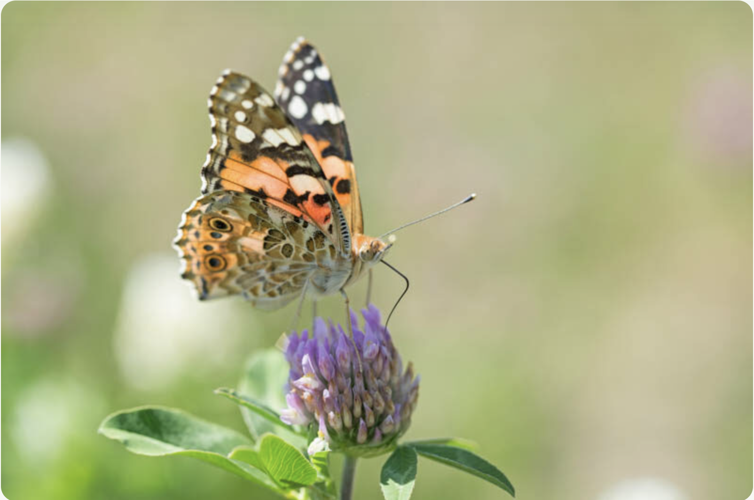
Plants you might have ignored become intriguing with a bit of energy on our part. Especially as we delight in seeing a honey bee perched on a flower slurping up some nectar.
Even the weeds offer their delights to others.
Have you been out and about coming upon something you were unfamiliar with? The beauty of our time is the cellphone. Adding an application such as iNaturalist opens the door to address your curiosity.
It is a citizen scientist project where you can submit a photo of your observation of wildlife or plants or flowers. Once uploaded, someone will see your post to offer the name of the wildlife, plant or flower you posted.
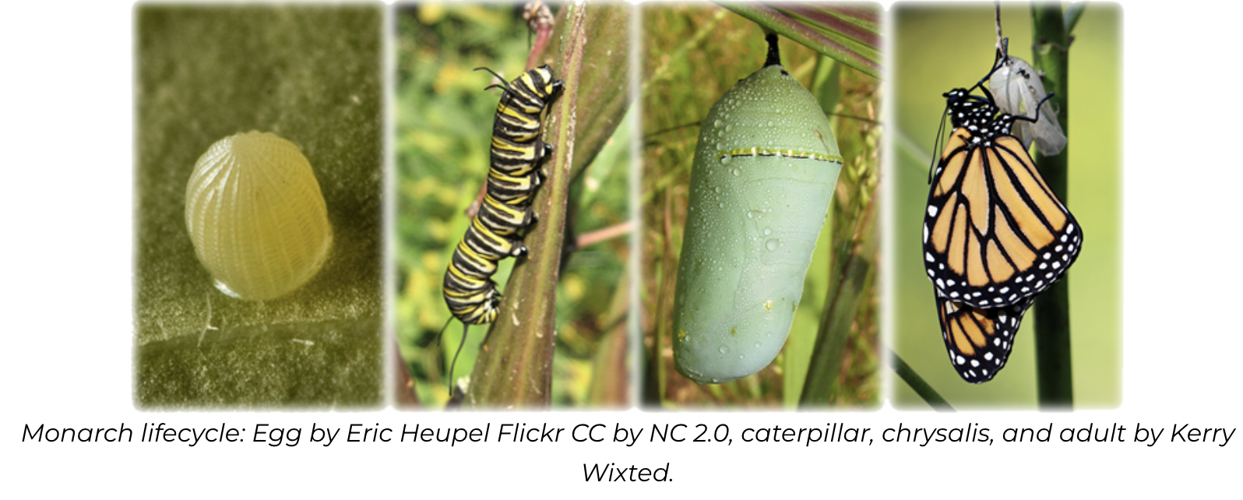
As the winter days wane, consider a walk around the outside of your home. Check out the branch of trees for spots that could be bird droppings but in fact are butterfly larvae.
As the bees exist in unison with their surrounding ecosystem, we to should coexist with all that the environment offers.
On Pleasure, Kahlil Gibran, 1883 –1931
And now you ask in your heart, “How shall we distinguish that which is good in pleasure from that which is not good?”
Go to your fields and your gardens, and you shall learn that it is the pleasure of the bee to gather honey of the flower,
But it is also the pleasure of the flower to yield its honey to the bee.
For to the bee a flower is a fountain of life,
And to the flower a bee is a messenger of love,
And to both, bee and flower, the giving and the receiving of pleasure is a need and an ecstasy.
The Columbia Gorge Beekeepers Association meets on the third Wednesday of each month, http://www.gorgebeekeepers.org, at the Hood River Extension, 2990 Experiment Station at 6:00 PM. A different subject is presented by an Entomologists or experienced beekeeper. All are welcome. Visitors may attend in person or via Zoom. You may reach out to the club for login information - admin@gorgebeekeepers.org. You may also enjoy a visit to the Hood River Extension to view the three bee hives maintained by the Columbia Gorge Beekeeping Club and financially by the Hood River Master Gardeners, Klahre House and the Columbia Gorge Beekeepers Association.



Commented