
An apple variety that vanished from American orchards for decades is back and winning medals at the world’s biggest cider competition. Cideries across the country are reviving heritage fruit and pressing apples the commercial industry left behind in favor of the uniform, shippable cultivars that fill grocery bins today. The cider those forgotten varieties produce has more in common with wine than with the sweet, familiar bottles most Americans reach for in the fall.
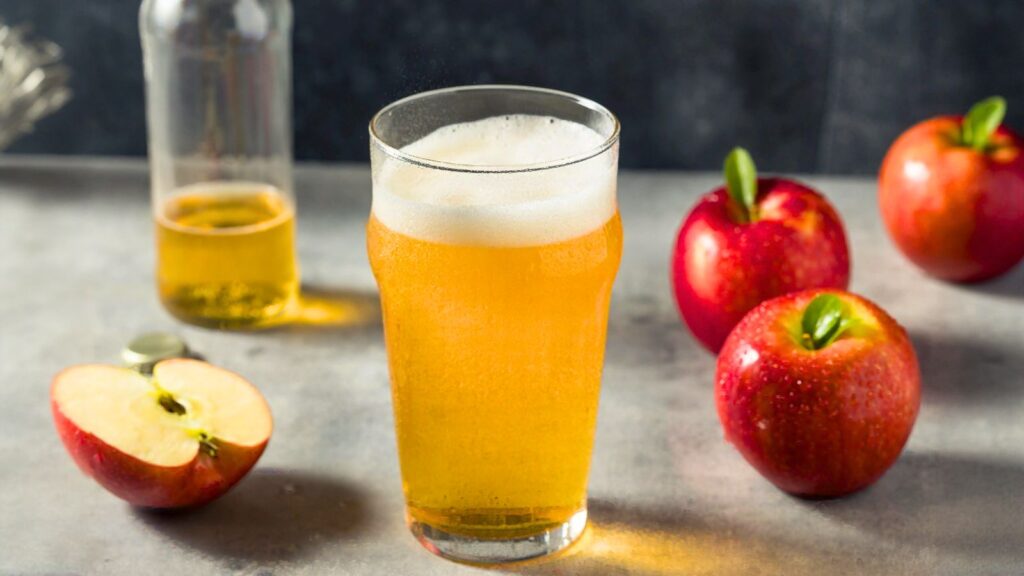
Kingston Black, Harrison, Albemarle Pippin, Ashmead’s Kernel: some of these are old American orchard apples, while others are English varieties that crossed the Atlantic centuries ago. Cideries in Colorado, New Jersey, Virginia and Vermont now grow them on dedicated orchards or source them from small farms that kept these trees in the ground when commercial agriculture moved on. Each apple brings a different balance of sugar, acid, tannin and aroma to fermentation, and the finished cider reflects the variety, the growing site and the cellar choices that follow the press.
Heritage apples show up at competitions and win
At the 2026 Northwest Cider Cup, single-varietal cider entries surged 30% over previous years, with varieties like Kingston Black and Golden Russet appearing in more entries than in any previous year. Cidermakers at the event compared the single-varietal surge to the way wine drinkers gravitate toward specific grape varieties. Across the Pacific Northwest, cider is growing more than eight times faster than beer.
The 20th-anniversary Great Lakes International Cider and Perry Competition received more than 1,100 commercial and noncommercial entries from around the world. Heritage-variety ciders earned prominent placements in the competition’s heirloom categories, with one cidery sweeping the entire Heirloom Cider – Sweet podium.
The cideries behind those competition results are doing work that looks more like agricultural conservation than beverage production. Ironbound Farm in Asbury, New Jersey, grows what it calls the state’s largest collection of historic Newark and New Jersey cider apples, including Harrison, Canfield and Graniwinkle, three of the four varieties identified in 1817 by William Coxe in the first book on American apple varieties. The fourth, Poveshon, disappeared from cultivation and has yet to be rediscovered.
Harrison, Canfield and Graniwinkle once powered Newark’s earliest cider industry before decades of commercial consolidation and changing market pressure drove them out of production. The Harrison was considered lost for decades before being rediscovered in New Jersey. Ironbound sources from small-scale family farms in New Jersey and neighboring states and uses regenerative agriculture to bring heritage fruit back into commercial production.
In Virginia, the Shelton family has been running a parallel conservation effort since 2000 through Albemarle CiderWorks and Vintage Virginia Apples. Their Rural Ridge orchard outside Charlottesville holds more than 200 cultivars; many of them are difficult to find from any other source.
Single-varietal ciders made from Albemarle Pippin and Old Virginia Winesap put the flavor of those heirloom varieties front and center. The family also operates a nursery offering more than 100 heritage fruit tree varieties each fall, putting starter stock into the hands of growers who want to plant their own heritage orchards.
Where the apple grows changes what the cider tastes like
Many traditional cider apples carry levels of tannin, acidity and aromatic complexity that supermarket varieties like Fuji and Gala were never selected for. The difference is similar to what separates a wine grape from a table grape, and it shows up in the glass. In Colorado’s Surface Creek Valley, Snow Capped Cider grows more than 150 apple varieties at 6,130 feet, among the highest-elevation cider orchards in the world.
Snow Capped says the high elevation brings UV exposure roughly 30% greater than at sea level, along with sharp swings between warm days and cool mountain nights that concentrate sugar, acid and flavor in the fruit. At this year’s GLINTCAP, the cidery set a new competition record with 14 Best in Show placements across categories and earned Midsize Producer of the Year for the third consecutive year, sweeping the Heirloom Cider – Sweet podium with Gravenstein, Chisel Jersey and Harrison Reserve.
In Vermont’s Northeast Kingdom, Eden Ciders takes a different approach to the same idea. Founded in 2007, the operation grows more than 35 varieties in its own orchard using holistic and biodynamic methods, and sources from a network of small partner farms across the state, many with decades-old trees carrying rare varieties well suited to cider production. The apples that go into Eden’s ice ciders and harvest ciders, varieties like Esopus Spitzenburg, Ashmead’s Kernel, Roxbury Russet and Black Oxford, are fermented with an emphasis on preserving the aromatic character that makes each one distinct.
More cideries are betting on heritage fruit
The broader cider industry is expanding, with nine new cideries entering the Northwest Cider Cup this year alone, all of them having opened since April 2025. Oregon, Washington and Idaho account for nearly a quarter of all U.S. cider sales while representing just over 4% of the country’s population. Within that growth, single-varietal and heritage ciders are occupying a larger share of competition entries.
As fall harvest approaches and these orchards press their 2026 fruit, the nursery stock and young trees planted over the past decade are beginning to bear. The varieties that had little place in mainstream commercial orchards a generation ago are now the ones taking top positions at competitions, drawing new cideries into the category and giving American cider a more distinct regional vocabulary than it has had in over a century. What happens next depends on whether enough orchardists keep planting the difficult, unmarketable, slow-maturing fruit that makes it all possible.
Jennifer Allen is a retired professional chef and long-time writer. Her work appears in dozens of publications, including MSN, Yahoo, The Washington Post and The Seattle Times. These days, she’s busy in the kitchen developing recipes and traveling the world, and you can find all her best creations at Cook What You Love.
The post Old apples nobody wanted are producing the most interesting cider in years appeared first on Food Drink Life.


Commented
Sorry, there are no recent results for popular commented articles.