
Moldy dishes left behind at checkout can turn into a real problem for an Airbnb guest, not just an eyesore for whoever cleans next. Airbnb’s own guest rules call that kind of mess out directly, treating it as proof a stay crossed from normal wear into something a host can actually act on. The kitchen just got its own specific example on that list, and it’s a simple one.
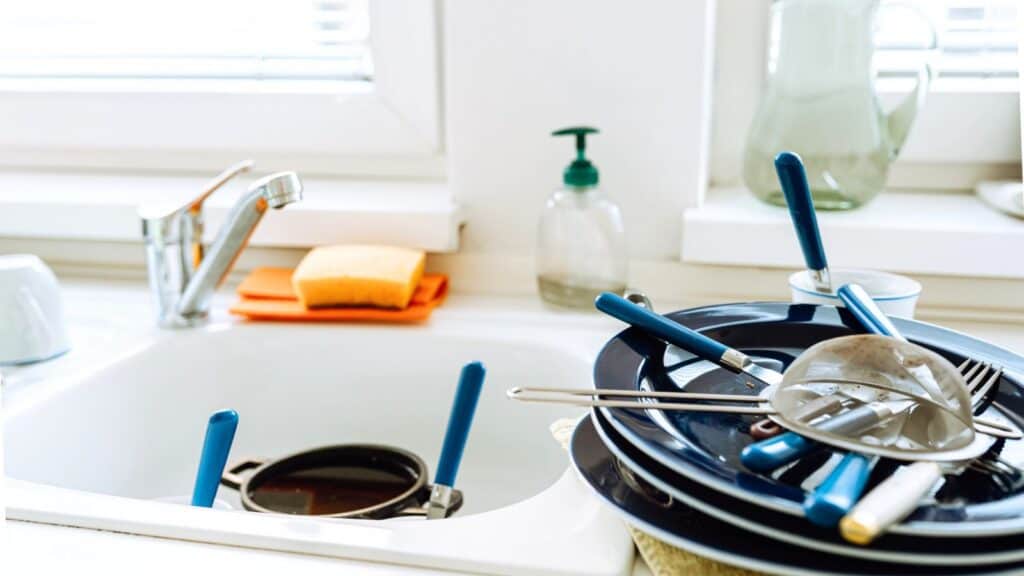
Guests treat a rental kitchen like their own, cooking real meals, storing groceries and putting the space through the kind of daily use nobody expects to reset overnight. That freedom is exactly what makes an Airbnb feel different from a hotel room, where housekeeping resets everything each day. Bathrooms and bedrooms already come with obvious expectations attached. The kitchen has mostly run on assumptions instead, at least until a cleaning fee raises the stakes.
The guessing game gets more expensive once a cleaning fee enters the picture. Once a listing charges one, guests tend to hold that space to a higher standard of cleanliness, and that scrutiny follows them straight into the review they leave behind. Paying for cleaning does not lower the bar for how a guest should leave the space. If anything, it raises it.
Excessive cleaning crosses into a real problem
Airbnb’s community rules draw a harder line than most guests probably assume. Airbnb expects guests to avoid leaving a place in a state that needs excessive or deep cleaning, and the policy is blunt about it, naming moldy dishes directly.
It’s one of several examples Airbnb gives, alongside things like soiled carpets, of what counts as excessive rather than normal wear. A guest doesn’t need to leave a rental kitchen spotless, but crossing into that territory is more than an inconvenience for whoever cleans next. It’s the kind of mess Airbnb wrote its guest rules to prevent.
A cleaning fee doesn’t cover everything
Most guests assume a cleaning fee buys them a pass on whatever they leave behind, but Airbnb’s own guest rules say otherwise. Cleaning fees cover standard turnover work like laundry and vacuuming; they don’t cover undoing a guest’s mess, and Airbnb doesn’t let hosts charge extra for missed checkout tasks.
What hosts can do instead is simpler and lasts longer: leave a lower rating and explain exactly why. A missed cleaning fee dispute fades fast but a public review mentioning moldy dishes does not.
A mess can turn into an actual bill
Past a certain point, a kitchen mess stops being a review problem and turns into an actual bill. If a host believes a guest caused damage or left something requiring real cleanup beyond the ordinary, they can send a reimbursement request through Airbnb’s Resolution Center, and the guest has 24 hours to respond. Ignore it, decline it or only pay part of it, and Airbnb’s own support team can step in to review the evidence and decide who’s right.
On the host’s side, up to $3 million in reimbursement coverage backs that system, real money sitting behind what looks like a routine checkout instruction sheet.
None of this runs in only one direction, as guests can flag hosts for excessive checkout tasks after a stay. Airbnb also keeps an eye on hosts who ask for too much at checkout, and Airbnb may remove listings with a pattern of complaints.
Kitchen etiquette is moving out of unspoken assumption and into something both sides can point to in writing. This cuts both ways, and it actually helps guests as much as hosts, since a rule anyone can read is a rule anyone can actually follow. The line used to be a guess. Now there’s an actual example to point to, and it happens to be a moldy dish.
Mandy is a luxury travel, fine dining and bucket-list-adventure journalist with expert insight from 47 countries. She uncovers unforgettable experiences around the world and brings them to life through immersive storytelling that blends indulgence, culture and discovery, and shares them with a global audience as co-founder of Food Drink Life. Her articles appear on MSN and through the Associated Press wire in major U.S. outlets, including NBC, the Daily News, Boston Herald, the Chicago Sun-Times and many more.
The post Leaving dishes in the sink could cost an Airbnb guest more than a bad review appeared first on Food Drink Life.


Commented