Overcast with rain showers at times. Areas of smoke and haze are possible, reducing visibility at times. High near 85F. Winds light and variable. Chance of rain 40%..
Tonight
Partly cloudy. Areas of smoke reducing visibility at times. Low 63F. Winds light and variable.
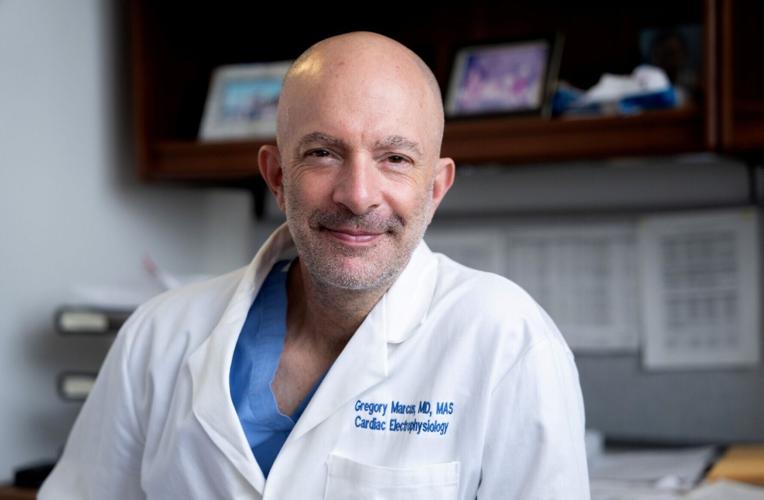
Dr. Gregory M. Marcus, Chair of the volunteer writing group for the scientific statement “Caffeine and Cardiovascular Disease,” a professor of medicine at the University of California, San Francisco School of Medicine and the associate chief of Cardiology for Research at the University of California, San Francisco Health. (UCSF via SWNS)
Drinking up to five cups of coffee per day is perfectly safe for most people, according to a major new study.
The findings indicate that consuming up to 400 mg of caffeine every day — the equivalent to up to five daily 8-ounce cups of caffeinated coffee — is "generally safe" for most adults.
Drinking coffee also appears to be linked to a lower risk of several potentially deadly cardiovascular conditions — including heart failure, heart disease and stroke in some people, according to the American study.
However, higher amounts of caffeine — such as levels found in energy drinks including energy shots — may increase the risk of high blood pressure and irregular heart rhythm.
Experts say more research is needed to better understand caffeine's impact on the body, how different sources of caffeine impact heart health and how its impact may vary among different people.
Previous studies have shown that caffeine is the world's most popular stimulant and psychoactive substance, and coffee is the most common way people consume caffeine.
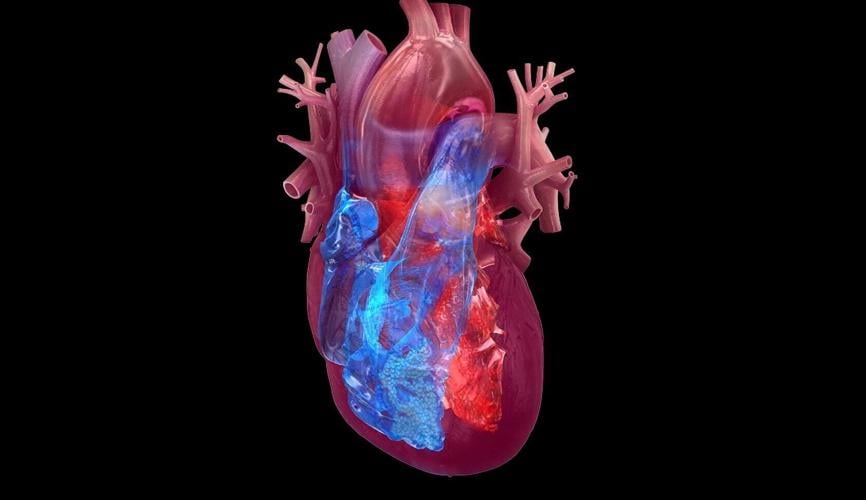
Four chambers of the heart: right atrium, right ventricle, left atrium, left ventricle. (American Heart Association via SWNS)
By Talker
The new research supports the conclusion that for most adults, consuming up to 400 mg of caffeine/day — or up to five, 8-ounce cups of caffeinated black coffee per day is safe and appears to be linked to a lower risk of cardiovascular disease for some individuals.
A regular brewed, non-specialty, caffeinated coffee usually contains 9.4 to 20.6 mg of caffeine per fluid ounce.
However, higher doses of caffeine may cause cardiovascular harm, according to a new American Heart Association scientific statement published in the journal Circulation.
Dr. Gregory Marcus said: "Caffeine consumed in coffee is a key part of daily life for millions of people.
"In our review of the most recent research, for most adults, intake of up to 400 mg of caffeine/day, the equivalent of up to five cups of caffeinated coffee per day without added sugars or fillers, is safe and does not increase cardiovascular risk.
Dr. Gregory M. Marcus, Chair of the volunteer writing group for the scientific statement “Caffeine and Cardiovascular Disease,” a professor of medicine at the University of California, San Francisco School of Medicine and the associate chief of Cardiology for Research at the University of California, San Francisco Health. (UCSF via SWNS)
By Talker
"However, high doses of caffeine, such as those found in energy drinks including energy shots, may have harmful effects on the heart and should be avoided."
Although coffee is the main source of caffeine for most adults, tea, chocolate, fizzy pop and energy drinks, as well as over-the-counter and prescription medications, also contribute to overall caffeine intake.
The new scientific statement details the most recent research primarily on caffeinated coffee and the potential impact of caffeine in coffee on high blood pressure, cholesterol, Type 2 diabetes, coronary heart disease, stroke, heart failure, irregular heartbeat, also known as atrial fibrillation, and other cardiovascular conditions.
Consuming caffeinated coffee without added sugars, flavors or milk was linked to a lower risk of diabetes, heart disease, stroke, heart failure and some irregular heart rhythms.
Randomized trials, the most reliable type of study design, have shown that caffeine consumption in coffee is associated with a lower risk of atrial fibrillation but also a higher risk of premature ventricular contractions.
Adding sugar, flavored syrups, milk or cream to coffee likely reduces its potential health benefits, but the team says more research is needed to understand the impact of those additives.
Higher caffeine intake, such as levels found in energy drinks, was associated with increased risk of high blood pressure and irregular heart rhythm.
Energy drink shots may contain up to 69 mg of caffeine per fluid ounce, as much as four times more caffeine than regular caffeinated coffee.
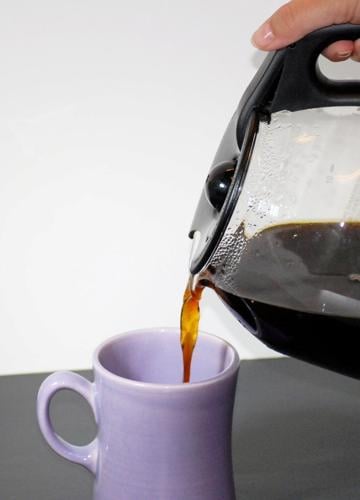
(Photo by RDNE Stock project via Pexels)
By Talker
Marcus explained that caffeine consumed in coffee is metabolized by the liver and generally reaches peak concentration for most people within an hour.
But how quickly individuals process caffeine depends on their genetics, metabolism, age and previous caffeine use.
When more caffeinated coffee is consumed regularly, some people may develop a tolerance to higher levels of caffeine.
Other people may feel stronger effects from the same amount of caffeine.
Marcus said: "Short-term effects of caffeine may include temporary increases in blood pressure, heart rate, blood sugar and alertness.
"Some people may experience heart palpitations and/or sleep disruption."
Data from randomized clinical trials indicated that cafestol — a component in both caffeinated and decaffeinated coffee — was associated with higher levels of low-density lipoprotein, or "bad" cholesterol.
Drinking two to four cups of caffeinated coffee was linked to many positive things for your heart. (American Heart Association via SWNS)
By Talker
Marcus said: "Cafestol is present in unfiltered coffee — such as espresso, French press, Turkish coffee or boiled coffee — but not present in coffee brewed with paper filters or instant coffee.
"More research is needed to understand which products have higher levels of cafestol and their mechanisms."
The findings also showed that drinking two to four cups of caffeinated coffee per day was linked to a lower risk of heart disease, heart failure and stroke.
But drinking more than four cups of caffeinated coffee a day may increase the risk of heart failure.
Marcus, chair of the scientific statement volunteer writing group, said: "Although research suggests that caffeine consumption may be associated with certain cardiovascular benefits for some people, it's important to remember that there is no 'one-size-fits-all' strategy for safe caffeine consumption.
"People can respond very differently to caffeine based on various factors, such as age, medications, underlying health conditions, genetics and how quickly their bodies metabolize it."





Commented