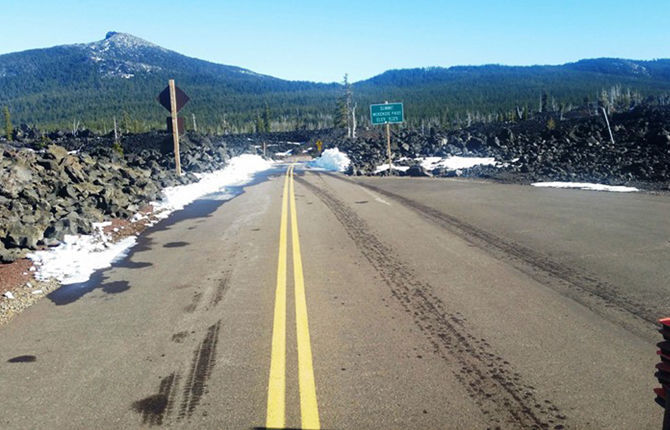
The Mckenzie Pass highway shows bare pavement in the Oregon Department of Transportation photo of the pass. The highway is scheduled to reopen in the next few weeks, historically early. Contributed photo
The Mckenzie Pass highway shows bare pavement in the Oregon Department of Transportation photo of the pass. The highway is scheduled to reopen in the next few weeks, historically early. Contributed photo
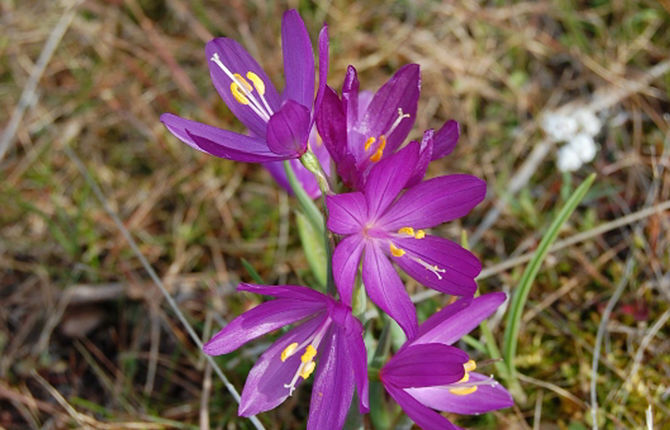
Grass widows are already blooming at Catherine Creek, a popular trail for seeing wildflowers.
Call it global warming. Call it climate change. Call it a whim of Mother Nature. But whatever name you give it this winter has been a disaster for the winter sports industries, wheat farmers and orchardists.
Take a look at what is happening this year: The Oregon Nordic Club has had a wilderness ski on the McKenzie Pass highway since the mid 1930s.
Our usual problem is too much snow. One year we could not find the route through the lava fields without a GPS. A couple of years we had a late March bike ride to snow line which was at Windy Point, about two miles below the pass.
The earliest opening since 1962 was mid May. Before 1962 the McKenzie Pass highway was the main route from Bend to Springfield and they tried like mad to keep it open when possible. During those years the earliest they could get the road plowed was mid March.
Crazy as it may be ODOT may open the highway next week without ever putting a plow blade on asphalt. That would beat the earliest ever opening by 6 weeks and the modern record by 3 full months.
Or look at Durango, Colorado. At 6,500 feet Durango normally has lots of snow. Ski lifts run thru mid April. Today? No snow. Ski area closed. On Mt Durango at 8,500 feet the ground is dirt and snow.
The Iditarod Trail Sled Dog Race route is historically from Anchorage to Nome Alaska. Not this year, they are moving the start point north to Fairbanks. Parts of the historic route are considered impassable because of lack of snow.
Closer to home, The Tilly Jane Guard Station is located at 5,800 ft above sea level on the east slope of Mt. Hood. In a normal year the only entry to the building is through the second floor snow door. Many years we have to dig down to open that door because of snow depth.
This year not so much snow. The snow covers about 40% of the ground; the rest is plain old dirt.
All of that brings me to this column. When handed lemons the best thing to do is make lemon aid. This unseasonal warm weather is bringing out the wildflowers like crazy. Here is my favorite place to take an early season stroll:
Catherine Creek: this area has a great universal access paved trail that wanders about 1.5 miles through some of the earliest wildflowers in the gorge. Here is a short list of what you may find there:
Grass widows — The first wildflower of spring. When you see this lovely violet flower you know spring is very near. The first grass widows start popping up in late February, by mid-march their numbers become so large that they appear to make ponds of violet.
Prairie Stars — These small white flowers are making an early appearance this year. Right now they are few and far between but as the season advances they are one of the more abundant flowers we have.
Columbia Desert Parsley — These spectacular flowers grow only in Oregon and Washington. Although there range is small where they do grow they are abundant. Columbia desert parsley is easy to tell from the parsleys in the gorge. They are the only ones that have deep purple blooms.
Armed with a copy of Russ Jolley’s Wildflowers of the Columbia Gorge and a camera you will be set to go.
Be sure to take a sweater, windbreaker and lots of snacks. Catherine Creek has lots and lots of nice picnic spots.
To find Catherine Creek take Washington Hwy 14 west to Lyle and follow Old Hwy 8 for several miles to the parking area at Catherine Creek.




Commented
Sorry, there are no recent results for popular commented articles.