Ten years ago, the landscape of Hood River changed to a dramatic extent unseen since a half-century earlier in the extensive in-fill project that prepped the Columbia River edge for construction of the interstate freeway.
But the change seen Nov. 6, 2006, happened literally overnight. Torrential rains pelted the Gorge and slopes of Mount Hood, causing tons of debris to cascade off Eliot Glacier and down the Hood River valley, wiping out 20 miles of Highway 35, damaging local irrigation district pipelines and powerhouses, interrupting Mt. Hood Railroad traffic, among other impacts.
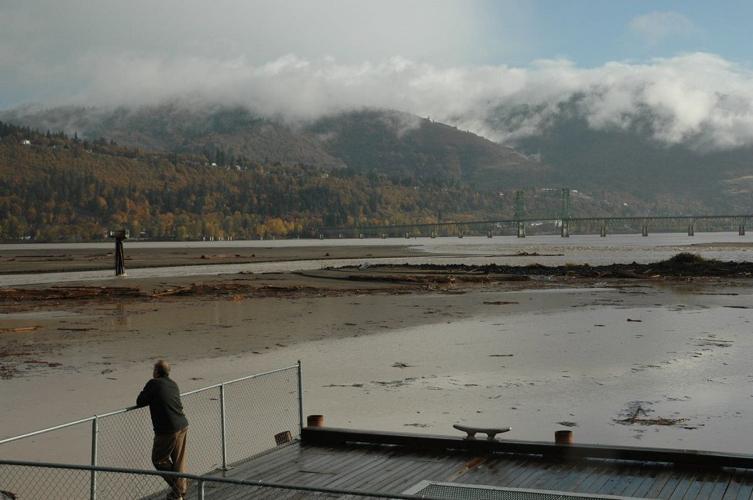
The roads, pipes and rails have long-since been repaired, but one impact — the significance of which was unknown in late November 2006 — is still with us: the storm and inundation of the Hood River dumped acres of wood, mud and rocks at the mouth where it meets the Columbia.
First-week coverage in this newspaper focused, justifiably, on damage to roads and water district facilities. Relatively little damage occurred at the river, and people generally assumed that the piles of wood would wash away. Most of it did, but much of it stayed, and while the Sandbar edges do shift in places thanks to winds, water level changes, and the sculpting of the currents, all that the silt and debris turned to solid ground, now terra firma in places.
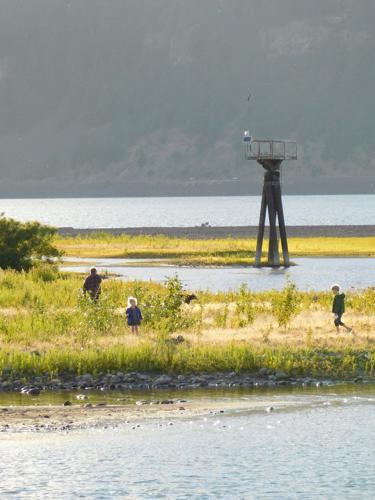
The jumbled debris choked the Nichols boat basin from riverboat traffic and caused fears, unfounded, that Columbia River traffic and recreational use of the river would both be adversely affected. Today, only a small, wadeable channel connects the Columbia to the boat basin, making it a haven for paddlers, kayakers and swimmers. The debris field settled at the mouth just east of the Event Site, and in the coming months the community realized, to universal relief, that it had a much bigger beach.
The Sandbar was born in 2006 and christened in 2011. That year, the Hood River News and The City of Hood River teamed up for a naming contest for the storm-created landscape that stayed and proved itself not a bust but a boon for windsurfers, kiteboarders and standup paddlers.
A city proclamation from then-mayor Arthur Babitz, stated whimsically, “I proclaim by whatever authority I might have in this situation, that this sandbar shall heretofore be known as The Sandbar. I further encourage all residents and visitors to Hood River to enjoy sports and leisure activities on The Sandbar for as long as it shall grace our waterfront.”
Hood River News editorialized in 2011:
“The Sandbar” puts a capital S on what has always been the generally accepted name for the landmass that abruptly emerged after the storm five years ago.
“The Sandbar does change shape with the seasons and behaviors of the Hood and Columbia rivers, but it is definitely here to stay, and is a welcome piece of real estate that is there for all to enjoy.
“Admire it, yes, but also respect it. The Sandbar is a manifestation of nature’s power. And nature will never be done with The Sandbar.
“The 2006 storm came five years after another destructive storm event that changed the flow of the river. Highway engineers, geologists, recreationists and farmers are still adjusting to the massive shifts in debris and the resulting changes to the river — and landscape from both those storms.
“In the case of The Sandbar, something constructive came out of destruction. Yet it reminds us of the enduring natural forces that are beyond our control.”



Commented