
Shakespeare on the brain …
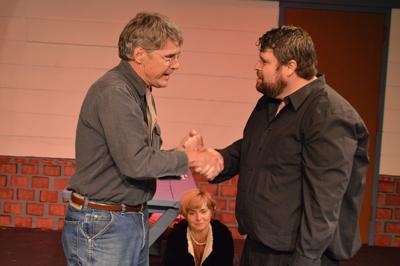
It happens. “Romeo and Juliet,” in which I play a role, closes this weekend. If you have not seen the play yet, here are a few observations that might help.
Oregon Shakespeare Festival recently announced it is embarking on a project to update Shakespeare plays to modern verbiage — for educational use, the performances will remain in the original Stratford-speak, thankfully.
Consider this line from Romeo’s mouthy friend Mercutio, during a lively verbal joust between the two: “O Here’s a wit of chevril, that stretches from an inch narrow to an ell broad!”
Wha –hh? Well, odd as the line sounds, it’s far funnier than the modern translation, courtesy of No Fear Shakespeare web site: Oh, that’s a joke made out of leather that stretches itself from the width of an inch to as fat as a yard.
No, not as funny, nor as fun, albeit clearer. Most of the play is richly understood, in part because culturally we just know the story, and also because Shakespeare’s brilliance was how he used context to enhance clarity. For example, when in my role as Romeo’s father, Lord Montague, I talk of Romeo as depressed and staying out all night only to retire to his room — as the sun “begins to draw the shady curtains from Aurora’s bed.” Most people probably get the allusion to the end of night and Aurora the Greek goddess of dawn.
A few other lines that might need some explanation:
“Do you bite your thumb at us, sir” (it’s in the first scene) — Do you insult us?
“But no more deep will I endart mine eye,” Juliet tells her mother of her suitor Paris — I won’t let myself fall for him.
Mercutio’s long riff on dreams, early in the play, includes the strange line, “of healths five fathoms deep” — enormous cups of liquor.
It’s important to know what Nurse means when she tells Romeo of Juliet, “He that can lay hold of her shall have the chinks.” It means the guy who marries her will be wealthy.
For me one of the more puzzling lines is Friar Laurance’s to the troubled Romeo: “Be plain, good son, and be homely in thy drift/riddling confession finds but riddling shift” — speak clearly, for a jumbled confession will only receive a jumbled absolution.
To Mercutio falls a key line: “his heart cleft with the blind bow-boy’s butt-shaft;” it means the center of his heart has been split by blind Cupid’s arrow.
Again, context helps give it meaning, but it’s also good to know that it’s more than a sniggering Elizabethan tongue-twister.
The language of Shakespeare aside, there are other observations I can make about the experience of being in this play, my 10th or so at CAST. They concern universal problems that, in the interest of audiences and performers alike, I will now describe:
Get to the theater on time. Actors need to, and so do audiences. Twice last week during the darkened, solemn funeral scene that opens the play, late-comers curdled the moment by entering with a door-clunking shaft of unwelcome light.
Even if a scene is comical, though, it’s a disservice to everyone in the auditorium to “sneak in” after the show starts — but especially when the scene is being set with a tragic song of mourning.
Leave the infant at home. Not to be grouchy, but no theatrical event is place for a babe in arms. I’d willingly contribute to a fund to comp people tickets if they cannot afford the costs of admission and hiring a sitter.
Do turn off your cell phone. They say a message does not sink in until someone has heard it seven times, so why is it that people who have heard “turn off your cell phone” some 70 times still fail to do so?
Someone’s ring tone went off during an important moment the other night, and it just takes you out of the sense of things.
In his words of Benvolio, “If you with patient ears attend, what here shall miss our toil shall strive to mend.” Shakespeare wouldn’t have been thinking of the distractions caused by inappropriate interruptions, but he might as well have been.


Commented