HOOD RIVER — The local presence of federal agents, like U.S. Immigration and Customs Enforcement (ICE), and their detention of locals for purported immigration violations came up several times at the Hood River County Board of Commissioners meeting Dec. 15. Public comment included testimony from Hood River City Council Chair Gladys Rivera, who requested that the commission issue a proclamation in support of immigrants and an emergency declaration, which would enable the reallocation of funds.
“ICE enforcement creates fear that spreads far and beyond the individuals being detained,” said Rivera, describing how community members have disengaged from public services like healthcare, education, and economic activity.
“Local governments are the ones dealing with the human, government, and public safety consequences,” she said.
She asked commissioners to issue a statement about the safety of county services for all residents; to clarify the limits of county cooperation with ICE; to have staff training on the matter; and to join listening sessions with schools, healthcare, nonprofits and community members.
“Saying nothing also sends a message, and that message is already being felt in our community,” she concluded.
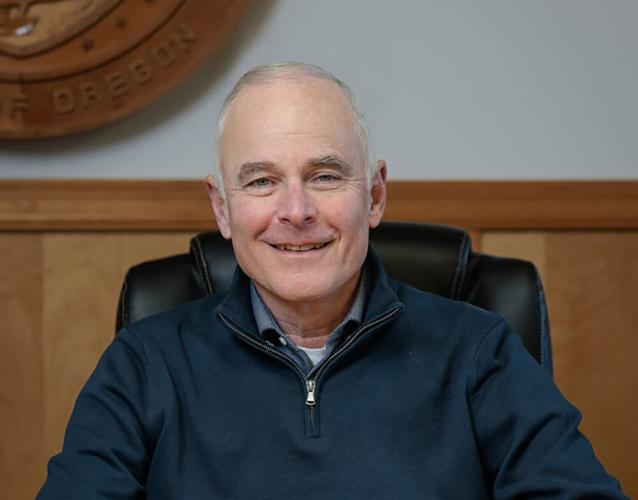
Commissioners, County Administrator Allison Williams, and Sheriff Matt English then debated the pros and cons of releasing a statement. Williams identified that direction was provided to county employees in consultation with the sheriff and district attorney when the issue first arose in February. English reiterated that his office is not collaborating with ICE, as per Oregon’s sanctuary law.
Beyond the arrests themselves, he noted that federal agents have caused local disruptions, like leaving a running vehicle in the road after detaining someone and providing no notice. He also said ICE is still required to follow local laws, such as driving vehicles with license plates. (Anecdotally, some have noticed vehicles without plates in other places, though English has not seen that in Hood River).
“We have some concerns about the impacts for our communities with respect to some of the incidents that have happened,” said English. “We have zero authority over [their enforcement of federal law], we have zero say over how they do that, we have zero say how they dress, we have zero say what they drive, we have zero say what their tactics are.”
When asked what citizens should do if they were to see a vehicle without plates, English said they can get in contact with local law enforcement, as they could if it were any other citizen driving illegally.
“If there’s a vehicle issue, you can certainly report that, and if there’s suspicious activity, you can report that,” said English, referencing guidance from the Oregon Attorney General’s office “We’re here to enforce Oregon law.”
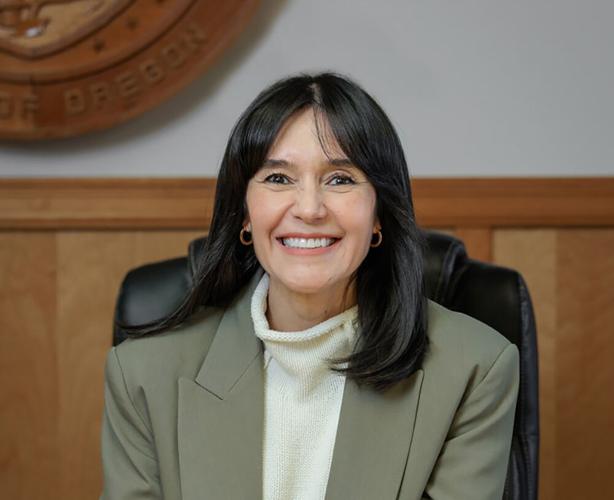
“I don’t understand how [declaring Hood River a sanctuary city] is any different than Oregon being a sanctuary [state],” Leticia Moretti later said in her commissioner’s report. “There’s no teeth.” She then pointed out how Oregon’s sanctuary status has impacted its ability to access federal funds, concerned that heeding Rivera’s ask would make the county a bigger target and produce a similar result.
Chair Jennifer Euwer questioned whether the city is able to offer sanctuary to anyone; in a follow up email, she explained, “The Oregon sanctuary law refers to Oregon or Local Law Enforcement cooperating with ICE. That doesn't exactly provide sanctuary in the sense of shielding someone from being detained by ICE.”
“[ICE is] not obeying the law because they have immunity,” Moretti said during the discussion, but Commissioner Arthur Babitz countered, “They do not have immunity, they have impunity. They are not allowed to break the law — they’re just getting away with breaking the law, and it can come back to them,” encouraging people to keep a record.
“I still feel safe here, I trust our law enforcement,” Moretti said, concluding her complex feelings on the area. “I know that [local law enforcement] knows our community … but [the presence of ICE in the community] is not sustainable in the long run.”
No decision was made, and commissioners asked to get more information from Williams, who has been in conversation with City Manager Elder about educating the public. The initial discussion did not support making a similar emergency declaration, however.
Other business
Commissioners heard from Public Health Project Manager Daron Ryan, Hood River County Health Department, about the healthcare modernization plan, mandated by the state, and shared the “dream document” that describes how healthcare in Hood River could ideally look if cost and staff capacity weren’t an issue.
While the money allocated for this program was intended to be a “big money influx” to promote innovation and creativity, Ryan said it has become sustaining funds. She specifically mentioned they are looking for collaborative grant opportunities, because those are “the gold star.”
Two members of the Port of Hood River also pitched a letter of support to commissioners, which they unanimously approved, for a new terminal at Ken Jernstedt Airfield that’s been delayed for years. As previously reported by Columbia Gorge News, this project is currently in the planning phase, where the port is seeking interest and feedback from parties associated with the airport to keep the Gorge a “nexus of aviation technology,” in the words of Tor Bieker, a port board member and aviator himself.
Additionally, Stephen Hochman was appointed to the Columbia River Gorge Commission, as were Kenny Merz and Mik McKee, but to the county’s Forest Advisory Committee, and the first reading of a fee ordinance for public land corners was presented.




Commented