
By Sean Avery
Columbia Gorge News
HOOD RIVER — After the Powerdale Dam was removed in 2010, nature reclaimed the Hood River’s flow, restoring salmon and steelhead passage while expanding access for public recreation.
Two non-profit environmental organizations, the Glen Canyon Institute (GCI) and the Deschutes River Alliance (DRA), believe other waterways — and the ecosystems they sustain — require the same treatment.
GCI’s documentary “What the River Knows,” which traces the past, present, and future of harmful damming along the Colorado River, screened at Columbia Center for the Arts (CCA) on Oct. 26, previewed by a snippet of DRA’s “The Last 100 Miles: The Fight for the Deschutes River.”
Following the films, representatives from GCI, DRA, and the Northwest Rafting Company (NRC) joined a panel discussion, sharing insights into regional river threats, water management policy, and the importance of free-flowing waterways.
What the River Knows
Headquartered in Salt Lake City, GCI is a science-based advocacy organization dedicated to the restoration of Southern Utah’s Glen Canyon and a free-flowing Colorado River.
“What the River Knows,” directed by Will Buckley and Diego Riley of Good Intentions Paving Co. and produced in collaboration with the nonprofit, documents the history of the Glen Canyon Dam (GCD). Currently on a screening tour across the country, the film features a wide array of subjects with expertise on the matter, including river runners, scientists, GCI advocates, longtime recreators, and Indigenous voices.
Built near Page, Arizona, from 1956-1963, the GCD formed the popular recreation destination Lake Powell, consequently disrupting the Colorado River’s flow and flooding Glen Canyon, a cherished natural area home to Indigenous cultural sites.
Initially meant to store water and generate hydropower, the GCD now struggles to serve those purposes amid changing weather conditions and dwindling water levels; not only is Lake Powell losing water, but it’s accumulating sediments, reducing storage capacity.
In recent years, such patterns have revealed signs of ecological recovery: as the reservoir dropped, parts of the canyon re-emerged, with returning plants, wildlife, beaver activity, and rapids.
GCI and the film’s subjects thus argue that now is the time to rethink water management and push policies that will continue restoration efforts. Their proposed alternative is to create bypass tunnels around GCD to route water downstream, potentially storing more of it in Lake Mead.
The ultimate goal is to establish Glen Canyon as a National Park co-managed by local tribes.
The Last 100 Miles
Formed in 2013 and headquartered in Portland, the DRA is a science-based advocacy group seeking collaborative solutions to the threats facing the Deschutes River and its tributaries. It advocates for “colder, cleaner water, a healthy ecosystem, and the recovery and protection of robust populations of resident and anadromous fish,” according to its website.
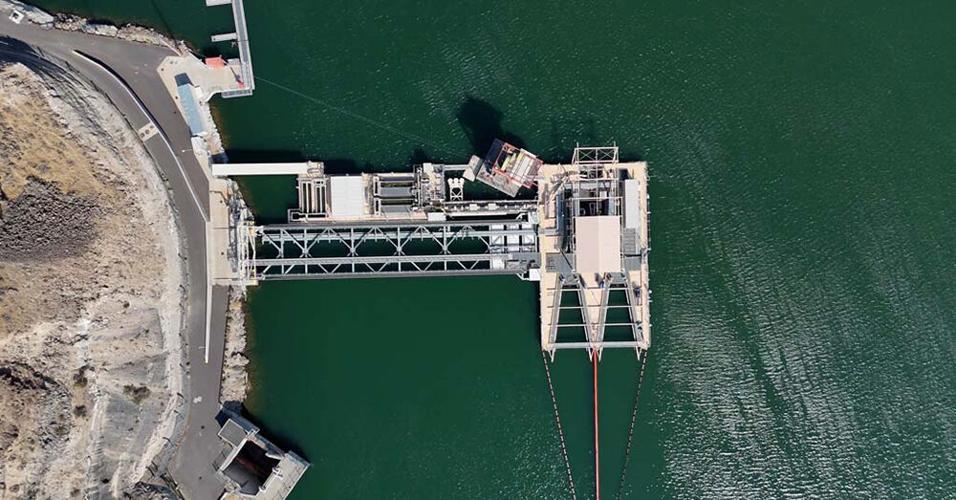
The group was formed by individuals concerned about changes to the Lower Deschutes River after a selective water withdrawal tower began operating at the Pelton Round Butte Dam complex in 2009. It conducts its own water-quality monitoring and works to address ecological issues, including changes in temperature, algae, insect populations, and fish health.
“The Last 100 Miles” speaks with fishing guides, scientists, and advocates about the river’s declining health, as warmer, nutrient-rich surface water from Lake Billy Chinook has spurred algae growth, altered insect hatches, bred deadly parasites, and created stressors for salmon and trout.
Initially intended to improve fish passage and water quality, only adverse changes have taken effect since the tower’s installation.
Thus, DRA argues for its removal.
Panel Discussion
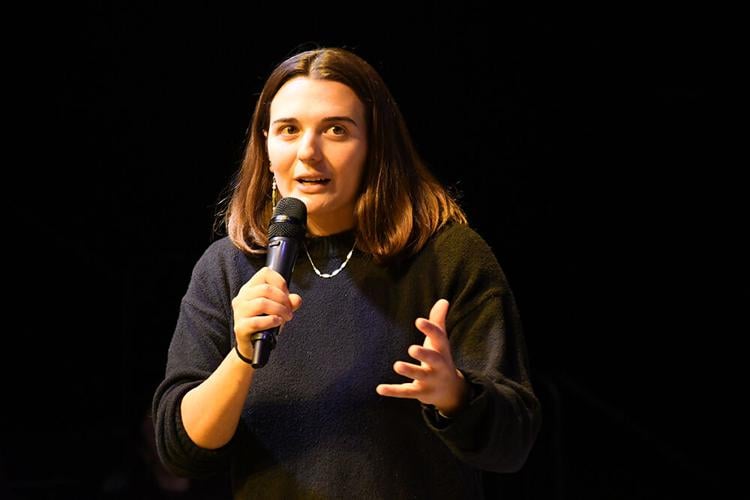
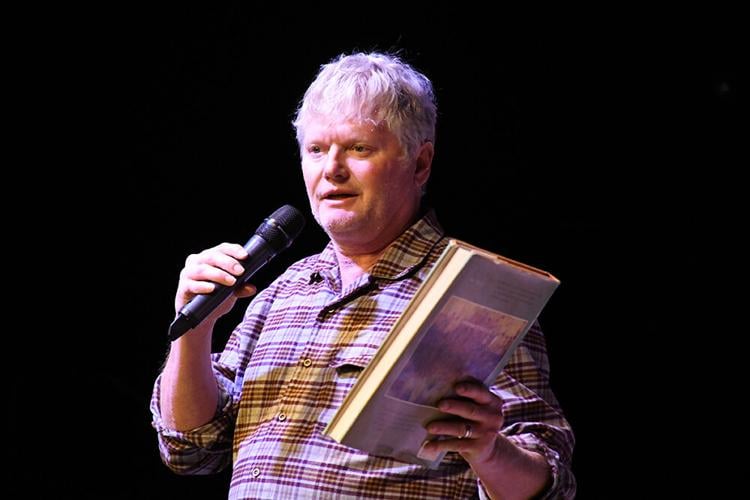
Moderated by GCI Project and Development Manager Anna Penner, the panel discussion included GCI Program Director Zanna Stutz; author, filmmaker, and DRA Communications Manager Steve Hawley; and NRC owner Zach Collier.
Stutz described the negligent federal framework adopted after the Colorado River Basin states failed to agree, and the focus on keeping Lake Powell above crucial levels, which would leave less water for environmental flows.
“There are different fish flows and high flow experiments that we know are really important for maintaining native fish habitat,” she said. “That’s not happening, so all of the creativity and possibility of what we could see has gone out the window because the current system of dams and reservoirs is a bottleneck. It’s more important than ever to take a step back and look at different management alternatives.”
Hawley discussed climate change and regional river issues brought on by damming, including a steelhead closure in Idaho that cost rural communities $8 million per month for five months. He also framed storytelling as a call to action, and hopes that his works encourage people to act.
“Collectively together, we can all make a difference,” he said. “The prerequisite is you have to fall in love with a place first.”
Collier explained how river guides and recreation support conservation and local economies, connecting people to rivers and bolstering local businesses. He also discussed how people can influence policy and how books, films, and personal stories can encourage action.
“By protecting [rivers], we’re helping the economy,” Collier said. “Your input matters.”
•••
For more information on GCI and DRA, visit glencanyon.org and www.deschutesriveralliance.org.


Commented