
Five hot and hungry days didn’t wither Anna Mae Leonard.
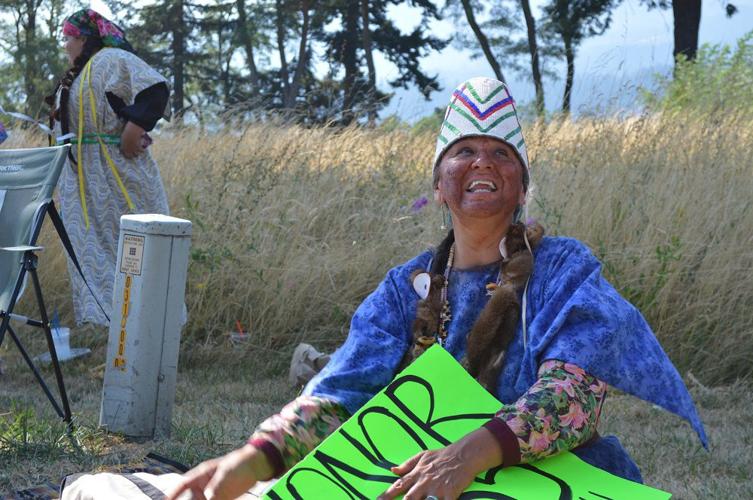
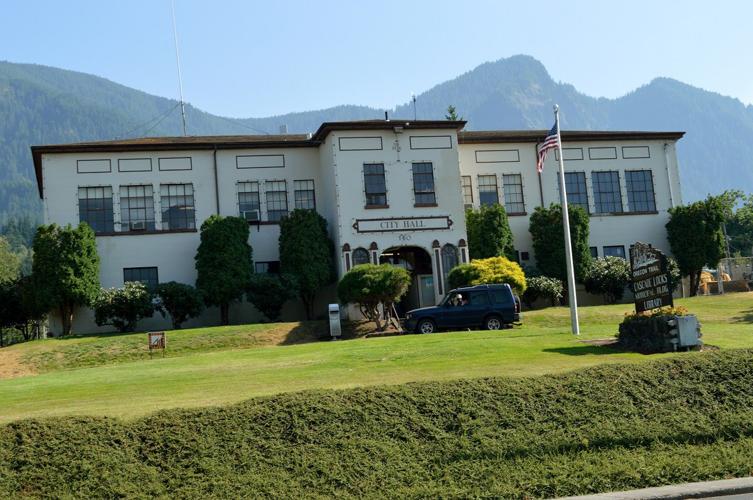
Leonard, 57, of Cascade Locks, brought her protest against Nestlé’s proposed water bottling plant into stark physical relief, posting up across the street from City Hall for five days without food, and hardly any water.
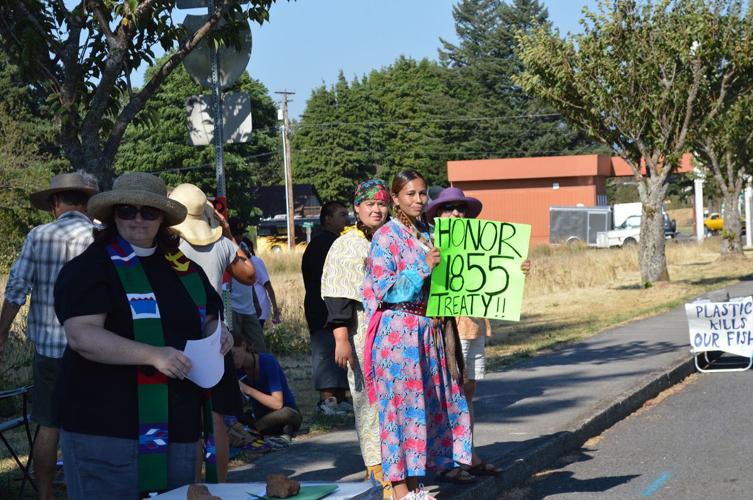
From the sidewalk of WaNaPa Street at the east entrance of town, she brandished a sign reading, “Honor 1855 Treaty!” referring to the treaty that ceded tribal land along the Columbia River to the United States and established rights for native fisheries. In full native regalia, Leonard greeted those who walked by, and waved to those who drove.
Most of her hours Monday through Friday were quiet except for the hum of traffic, with the occasional passerby stopping to ask her what her purpose was.
“I’m fasting to plead, beg, insist, implore the leaders of Cascade Locks to withdraw the water rights transfer application … let go of Nestlé, and explore different options for economic development,” said Leonard.
Leonard referred to joint cross water rights transfer paperwork filed in April by the City of Cascade Locks and Oregon Department of Fish and Wildlife, and submitted to the Oregon Water Resources Department for review.
If approved, the City would exchange a portion of its municipal ground water right for an equal portion of ODFW’s water right from Oxbow Springs, and then sell spring water to Nestlé for bottling at a 250,000-square-foot plant, which is slated for the Port of Cascade Locks business park.
The City and Port hope Nestlé will spur economic development in Cascade Locks with a new source of jobs and tax revenue.
Proponents of the deal have cited the economic boon, as well as a more consistent flow of ground water for salmon in ODFW’s Oxbow Hatchery during low flow seasons.
Environmental groups have argued the deal would put water in corporate hands, increase truck traffic through the area and escalate pollution from discarded plastic bottles.
On Wednesday, Aug. 19, a little over a dozen members of environmental groups and tribal fishing rights advocates gathered around Leonard for a day of “solidarity,” marking the halfway point on her week of fasting.
Some hailed from as far as Warm Springs and Yakima. Others came from Cascade Locks, Hood River and Sandy.
“Social media is really putting a lot of power in the little guys’ hands,” said Sannye Phillips, of Sandy, who heard about the protest via Facebook.
Whitney Jackson, a member of the Confederated Tribes of Warm Springs, said she traveled from her home near Madras for the protest, which she also heard about through social media.
Wednesday afternoon was the home stretch, but Leonard still exuded energy and passion for her cause.
“I’m holding up,” she said. “I’m suffering because I’m supposed to suffer.”
Leonard, who is Grand Ronde and Warm Springs by heritage, said she drank a small amount of water each morning and night — from Oxbow Springs — but she gave up all food for the week.
Oregon tribes have expressed concerns over the impact to tribal fishing rights by the cross water rights transfer and proposed bottling plant. E. Austin Greene Jr., Chairman of Warm Springs, sent a letter in May to Oregon Gov. Kate Brown, asking the state to reconsider the OWRD water rights transfer and the expedited public comment process.
Port and City leaders in Cascade Locks have indicated plans to convene the chairmen of the Warm Springs and Umatilla tribes to discuss the economic impact of the Nestlé deal.


Commented