HOOD RIVER — Cardinal Glass Industries, the world’s largest insulating glass manufacturer, has its sights set on a significant sustainability benchmark: achieving a 95% carbon capture rate in its glass production process.
Cardinal Insulating Glass (IG) Hood River, one of the corporation’s 49 facilities nationwide, is following suit, applying low-emissivity, energy-efficient coatings to residential window panes.
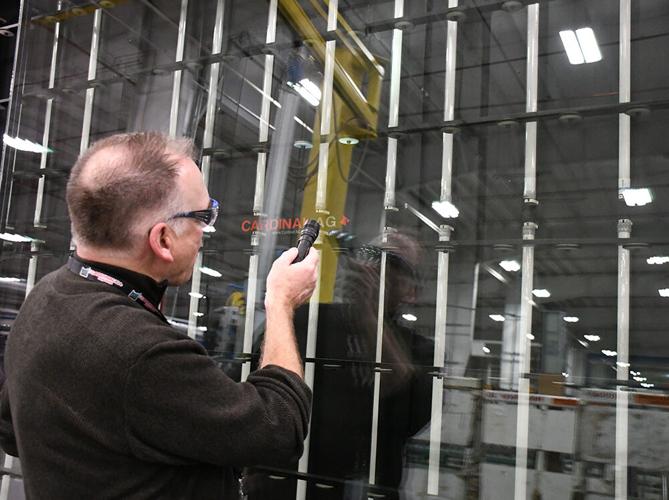
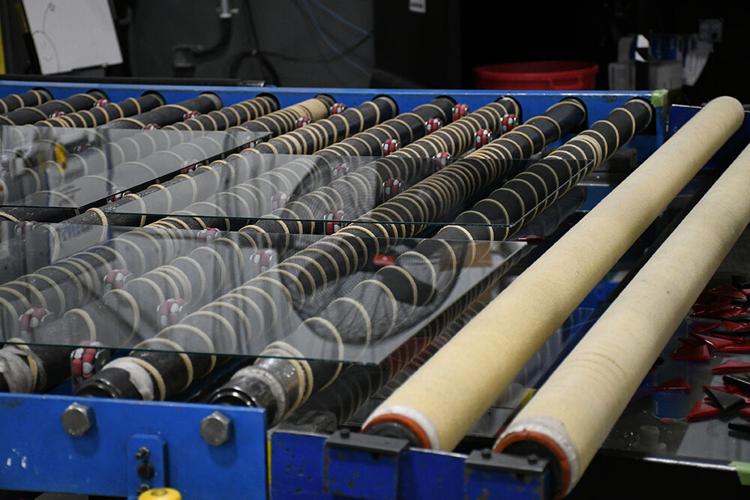
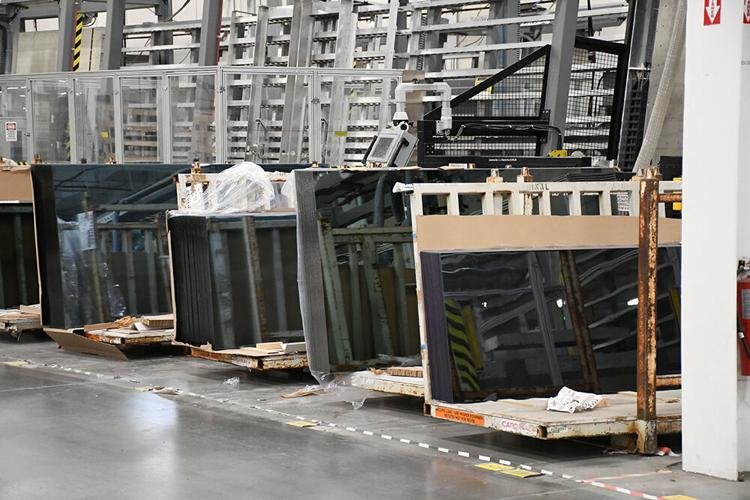
Located beside Highway 35 east of Odell, the 550k-square-foot plant employs around 340 individuals and produces 6,000-8,000 insulated glass units daily. Unlike float glass, a basic, single-pane sheet, insulated glass contains two or more panes sealed together by a spacer, designed to harness comfortable air indoors and reduce strain on HVAC systems.
“Homeowners want to be comfortable; they want to keep warmth inside during the winter months and out during warm months,” said Cardinal IG Plant Manager David Windsor. “We have products that, year-round, save anywhere from 30-50% of energy costs on operating your house.”
Easing energy consumption and cutting emissions are critical steps forward for the glass industry, which is notorious for its energy-intensive production process. Instead of simply melting sand, Cardinal first melts soda ash, chemically known as sodium carbonate, which fluxes and dissolves quartz silica sand at 2,800 degrees Fahrenheit.
“Taking something dense, heating it and maintaining it there so you can have clear glass takes a lot of energy,” Windsor said. “Our furnace will consume roughly 150,000 cubic feet of gas per hour — enough to heat something like 13,000 homes.”
All glass cut and seamed at Cardinal IG Hood River is transferred to a sister plant and coated with three to four layers of silver, producing a green tinge that reflects radiant heat while allowing visible light to pass through. According to Windsor, Cardinal is the first company nationwide to implement this procedure, delivering improved performance, positive environmental impacts and lower utility bills.
“Roughly half of the windows across North America today are clear glass, either single or double pane,” Windsor said. “If we convert all of those windows with technology that’s available today, using low-emissivity coatings, it removes 13 coal-burning power plants every year.”
Cardinal’s corporation-wide goal of attaining 95% carbon capture during production follows a recent partnership with Italy-based carbon capture system supplier K2-CO₂. According to Cardinal officials, the annual carbon captured by one of K2-CO₂’s systems surpasses the amount sequestered by planting 1.6 million trees and growing them for a decade.
Per Windsor, Cardinal’s Winlock, Washington, facility, which produces float glass, is on pace to meet the benchmark first. “This isn’t required for the industry,” he said. “We’re doing it because we believe it’s the right thing to do.”
Beyond its contributions to the company’s overarching mission, Cardinal IG Hood River prides itself on an employee-oriented identity. Five years ago, the plant became certified for the Occupational Safety and Health Administration’s (OSHA) Voluntary Protection Program (VPP), recognizing employers that “want to go above and beyond compliance and commit to continuously improving work safety,” Windsor said.
The facility also hires many of its employees straight out of high school, looking to guide them towards a career path in quality, maintenance or leadership.
“We’re in glass, but we’re really in the people business,” Windsor said. “So we invest heavily in leadership — anything that grows my people, takes care of them, keeps them safe and puts as much money in their pockets as possible.”
Cardinal IG Hood River is located at 3125 Neal Creek Mill Road. To learn more, visit www.cardinalhoodriver.com.



Commented