Cape Fear is a timeless tale of terror that has unsettled audiences in every incarnation since author John D. MacDonald first introduced Max Cady in his 1957 novel The Executioners. Since then, the vengeful ex-convict has returned generation after generation to torment the Bowden family in new and increasingly disturbing ways, whether portrayed by Robert Mitchum in the 1962 film or Robert De Niro in Martin Scorsese‘s 1991 remake.
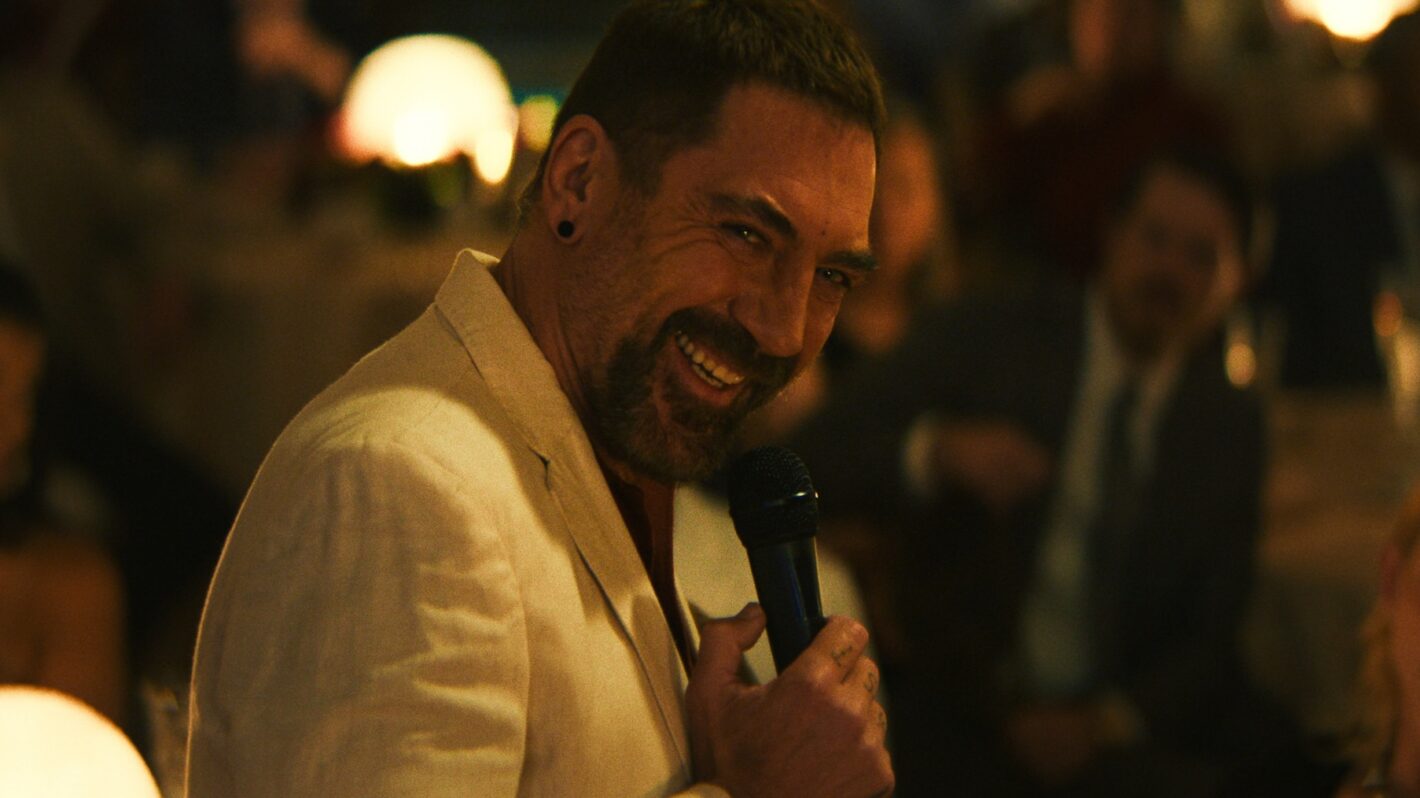
Now, Apple TV’s adaptation of Cape Fear reimagines Cady for a modern era, finding fresh ways to exploit the fears of contemporary life, with Javier Bardem stepping into the role of the iconic villain. Inspired by the 1991 film directed by Scorsese and produced by Steven Spielberg, both of whom return as executive producers, the series follows attorneys Anna (Amy Adams) and Tom Bowden (Patrick Wilson) as they become the targets of Cady’s ire.
Recently released from prison after spending 17 years for a murder he insists he didn’t commit, the man the Bowdens helped put behind bars is determined to make them pay. But in this version, the Bowdens are hiding their fair share of secrets as well. Beneath their polished exterior lie buried truths and moral ambiguities that make them every bit as compelling as the man seemingly fixated on destroying them. And in an age of constant connectivity and surveillance, the Bowdens have all-new vulnerabilities.
As showrunner and executive producer Nick Antosca sees it, every version of Cape Fear is a reflection of the anxieties of its era. While previous adaptations tapped into fears specific to their time, this new series updates the story for a world shaped by uncertainty, paranoia, and questions about what is true. In Antosca’s view, modern families face vulnerabilities that didn’t exist decades ago, creating new avenues for terror.
“Every version of Cape Fear definitely reflects the time that it was made in, and right now, we live in a world full of uncertainty and paranoia and questions about the truth,” said Antosca. “There are also vulnerabilities in our lives and in our families that didn’t exist 20 years ago, so there’s a whole bunch of new ways to terrorize a family in 2026. This version of Cape Fear reflects that.”
That desire to reflect modern anxieties was one of the driving forces behind the new adaptation. While Antosca sees Cape Fear as a story that evolves with each generation, he also believes its core premise remains as potent as ever.
“I think the 1960s version [and] the 1990s version of Cape Fear are fantastic, perfect versions for their time. They’re so unique and specific, and the style is totally different,” explained Antosca. “It is a timeless nightmare, a story of an all-American family being terrorized by a monster, and there is a new version of that story to tell in 2026.”
But there is another reason why the story of Cape Fear attracted Acosta. “The previous version, the 1960s version, and the 1990s version of Cape Fear are showcases for some of the greatest actors of their day,” said the showrunner. “I also thought it’d be really cool to do a present-day contemporary showcase for some of my favorite actors.”
Cape Fear, Series premiere with first two episodes, Friday, June 5; New episodes every Friday, Apple TV.



Commented