The Rocky Mountains in Colorado are where rivers start. High up the streams run cold and so clear you can see every pebble and rock and boulder they run over. They meander through alpine meadows.
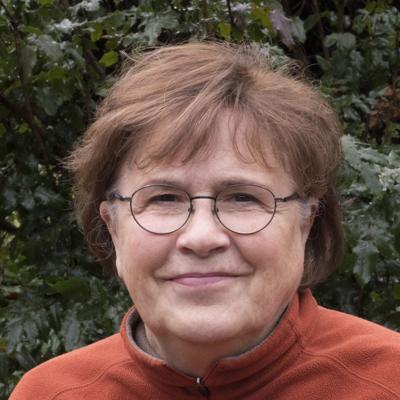
Susan Hess
The air, especially at night, is crisp. My mom and dad took the family into the Rockies for picnics and vacations. My husband-to-be and I spent a summer backpacking along mountain streams and camped beside pine-ringed lakes.
On a trip back to Colorado a few years ago, husband Jurgen and I drove up to a favorite narrow mountain valley. The road runs beside one of those alpine meadows. But this time electric pylons stomped like some robotic creature toward a giant mine carved into the mountain ahead.
Coming up this winter on Columbia Insight, the environmental news site I publish, we’ll be producing an article about the consolidation of land and water rights by corporations—hedge funds, agri-industries, billionaire investors.
Was Colorado powerless or unwilling to stop the demise of that sensitive landscape?
After our daughters left home, I left my job in healthcare and began a freelance writing career. This newspaper, when it was the Hood River News, gave me my first assignment: Writing a monthly column. I went on to write for magazines, produce newsletters for agencies and organizations. But life sometimes hands you turning points.
In 2013, the New York Times closed “its environment desk and assigned its seven reporters and two editors to other departments.” The Seattle Times and The Oregonian made similar decisions. Yet all kept their sports sections mostly intact. I like sports, but the UN is projecting the planet’s population to increase by two billion by 2050, and 19 of earth’s hottest years have occurred since 2000.
I thought that I could do one thing to help: Start an online news site to keep people informed about their environment. I was 72. We created Columbia Insight (originally Envirogorge) and began contracting freelance journalists.
Valerie Brown wrote about wind energy and how the grid works. Des Campbell looked at ways to get around without a car. Miko Ruhlen reported on Hood River’s debates on banning plastic bags. In her article on the 350-acre superfund site on the former aluminum mill in The Dalles, Susanne Wright asked Lockheed Martin representatives how long the site would be toxic. No one knows, they said.
Dac Collins interviewed environmentalists and mining officials about mining proposed for the Green River Valley next to Mount St. Helens.
The news business is tough. Since 2004, the United States has lost one-fourth of its newspapers. I decided that the site needed lots of good brains if it was to succeed, and asked a half dozen people to be an advisory group. That was perhaps one of the most brilliant things I’ve done.
They helped in deciding how often to publish, our geographic reach, what angles on social media. After a year, they advised me to make the news site a nonprofit. In January 2018, Columbia Insight joined the growing number of media in becoming a 501(c)3 organization. The advisory group became the board of directors.
Starting an online news site is an opportunity and a challenge, because it requires constant learning. How do we produce a podcast, post a video, use MailChimp, interpret analytics, write grants, wind through Facebook’s verification process so we can post controversial topics, like climate change? It’s required me to find tech support, talented writers, photographers. But I never had to do it alone, because of that group of advisors who became the board of directors.
Last year we hired journalist Chuck Thompson as Columbia Insight’s first editor. He brought years of experience in national media and contacts with journalists around the country. My role changed to an administrative focus.
I had read and believed that if you follow your heart, every workday is play. I can tell you that learning how to use dozens of software programs is brain-stretching to the point of numbness. When a writer or videographer sends in a piece that brings an issue to life, it creates a thrill for me: Dawn Stover’s article about cougars, Chuck’s interview with Blaine Harden, Deb Bloom’s video story of 13-year-old orca champion London Fletcher.
All of it brings me hope that I am honoring that mountain meadow.



Commented