
For decades, retirement meant a fixed address. Now, a growing number of Americans are trading the deed to a house for a cabin aboard a ship, and the industry building to meet them is more crowded with ambition than it has ever been.
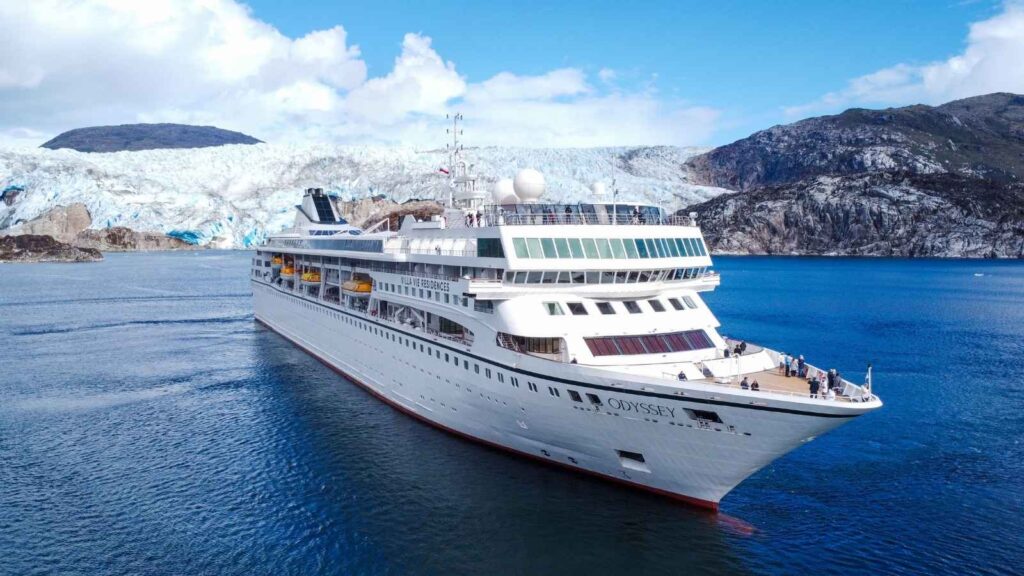
The distinction matters, as this is not back-to-back cruising but ownership. A private residence aboard a vessel that never stops moving, with meals, housekeeping, utilities and global transportation folded into a single cost. Luxury and expedition cruising are among the fastest-growing segments in the industry, according to a recent industry report from the Cruise Lines International Association, and at the far end of that loyalty curve sits a smaller, more radical cohort: travelers who have decided not to disembark at all. Two operators are currently sailing this model. A wave of competitors has tried, and failed, to join them.
The original model
The World, Residences at Sea, has operated continuously since 2002, which makes it the only residential ship to sustain this model for two decades. The vessel carries 165 privately owned residences and approximately 150 families from 20 countries; a community the company describes as the largest private residential yacht on earth.
Governance is part of the appeal: residents vote on the itinerary, selecting destinations for each year’s journey. Six restaurants, a full-sized tennis court, expert expedition lecturers and a spa round out the onboard life. It operates less like a cruise ship than a floating private members club with a perpetually changing view.
The newer entrant
Villa Vie Odyssey has been at sea continuously since October 2024, offering ownership, rent-to-own and flexible rental options across a three-and-a-half-year global circumnavigation that covers more than 425 ports in 147 countries. The ship’s flatter hull allows it to navigate inland waterways and rivers that larger vessels cannot reach, adding ports that no other residential ship can offer.
The program covers meals, housekeeping, shore excursions and onboard enrichment. Residents unpack once. The model bundles costs that land-based retirees carry separately, such as housing, food, transport and upkeep, into a single predictable number, which is part of the financial case the company makes to prospective buyers comparing life aboard against a conventional retirement.
The field stays small
The gap between those two operators and the next is significant. Crescent Seas, a real estate developer that announced plans in early 2025 to convert the former Seven Seas Navigator into a 210-cabin residential ship, relinquished its charter agreement by November of that year after failing to execute. Storylines, a Miami-based company, has been announcing a newbuild residential vessel called MV Narrative since 2018; the launch date has moved six times and now sits at 2027 at the earliest.
The World’s 24-year operational record is not an accident. Converting or building a ship for permanent residential use requires capital, maritime expertise and a buyer base willing to commit before the vessel exists; a combination that has defeated every entrant that has tried to follow The World’s model until Villa Vie succeeded in getting underway.
What the numbers say
Nearly 90% of cruise travelers say they intend to sail again, the highest intent level CLIA has ever recorded. That loyalty, compounding over years, is producing a cohort for whom the logical next step is permanence. The residential model answers directly: no disembarkation date, no return flight, no house waiting to be maintained.
For retirees doing the math on a fixed income, the all-in structure of a residential ship covers what a land-based retirement parcel encompasses across a dozen separate bills. That consolidation increasingly warrants a serious look.
A harder category than it looks
The cruise industry built its growth on the promise of a week away. Residential ships are selling something different: a permanent address that moves. The fact that only two operators have managed to put that product into sustained service, after years of well-funded attempts by others, tells you something about how difficult the model is to execute. It also tells you something about what the two that succeeded got right.
As more capital enters the space and more retirees run the numbers, the question is less whether life at sea works as a retirement model and more about whether the industry can finally build enough ships to meet the demand from people ready to try it.
Jennifer Allen is a retired chef turned traveler, cookbook author and nationally syndicated journalist; she’s also a co-founder of Food Drink Life, where she shares expert travel tips, cruise insights and luxury destination guides. A recognized cruise expert with a deep passion for high-end experiences and off-the-beaten-path destinations, Jennifer explores the world with curiosity, depth and a storyteller’s perspective. Her articles are regularly featured on the Associated Press Wire, The Washington Post, Seattle Times, MSN and more.
The post More retirees are choosing life at sea than most people realize, and a new class of residential ships is making it possible appeared first on Food Drink Life.


Commented
Sorry, there are no recent results for popular commented articles.