Some clouds in the morning will give way to mainly sunny skies for the afternoon. Areas of smoke and haze are possible, reducing visibility at times. High near 90F. Winds WNW at 10 to 15 mph..
Tonight
Clear. Areas of smoke and haze are possible, reducing visibility at times. Low 57F. Winds W at 5 to 10 mph.
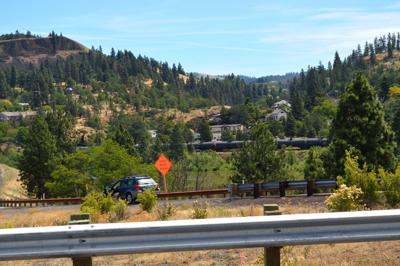
CARS of an oil train stopped in Mosier in June, 2016 after a derailment in the Columbia Gorge. The Port of Vancouver’s elected board decided last week to terminate a lease for a proposed oil terminal.
CARS of an oil train stopped in Mosier in June, 2016 after a derailment in the Columbia Gorge. The Port of Vancouver’s elected board decided last week to terminate a lease for a proposed oil terminal.
Vancouver — The port of Vancouver's Board of Commissioners voted unanimously Jan. 9 to terminate a rolling lease on property that would hold the nation's largest rail-to-marine oil terminal if the project's backers don't provide all the necessary permits by March.
The 3-0 vote is another blow to the Vancouver Energy terminal. A key state energy council recommended in November that Washington Gov. Jay Inslee deny the project, meaning that it will be almost impossible for the backers to meet the deadline on the lease.
Inslee has until the end of February to decide whether to accept the recommendation of the Energy Facility Site Evaluation Council.
"It's gratifying to have our commission be united in its vision for the future of the port and community," said Commission President Eric LaBrant said in an emailed statement. "We still await the Governor's decision on the project and we continue to be focused on supporting businesses, growing jobs and providing benefit to our community."
The joint venture of Tesoro Corp. and Savage Companies — pitched in 2013 — would receive about 360,000 barrels of North American crude oil a day by trains at the port of Vancouver, in southwest Washington state. The oil would then be loaded onto tankers and ships for transport to oil refineries up and down the West Coast.
The lease had automatically renewed every three months until Tuesday's action.
Developers have said the terminal is needed to bring crude oil from North Dakota and other areas to a western U.S. port to meet growing fuel demands and future energy needs. They've argued that it could be built safely and would secure a reliable supply of energy for the state.
Tribes, environmental groups and municipalities such as the city of Vancouver lined up against the project.
Opponents argued the terminal would mostly benefit the energy needs of California — and potentially overseas markets in the future — while exposing Washington communities to all the public safety and environmental risks.
Michael Lang, Friends of the Columbia Gorge conservation director, said a unanimous vote from the port was “striking” and unexpected. He explained the port’s decision-making process is separate from EFSEC’s deliberations.
Both are regulatory processes involved in overseeing the terminal’s potential path to approval.
According to a statement by environmental groups, the commission took their vote in front of an overflow crowd, with “many” audience members testifying in support of the port’s decision.
An environmental study released last year found the proposed project included risks to health and safety that could not be entirely mitigated.
Those four risks were identified as train accidents, emergency response delays, negative impacts on low-income communities and the possibility that an earthquake would damage the facility's dock and cause an oil spill.



Commented