
Slideshow: Día de los Muertos celebration in Hood River
- Helen Richardson for Columbia Gorge News
- Updated
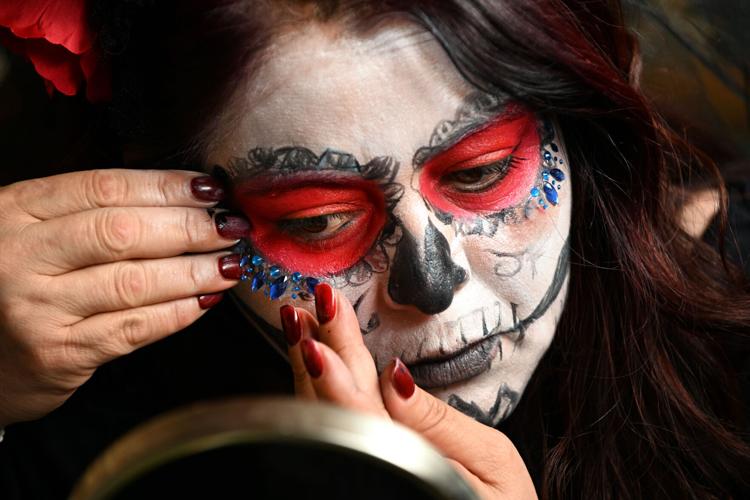
WHITE SALMON, WA: Mary Alejandre prepares her face makeup while dressing up as a Catrina for Dia de Los Muertos in White Salmon, Washington on October 31, 2026. Alejandre and her friends were taking part in the festivities for the White Salmon Halloween costume parade and trick or treating event in downtown White Salmon. The yearly Halloween event hosts trick or treating in stores for children, a festival of light, castle of curiosities and costumes along East Jewett Blvd. This year Diaz Medina and others wanted to celebrate Dia de Los Muertos one day early on Halloween to help educate and show people what their traditional holiday is all about. For Dia de Los Muertos, or Day of the Dead, women often dress up as Catrinas or La Calavera Catrina which in Spanish translates to The Dapper (female) Skull. They paint their faces with elaborate makeup and dress elegantly as female skeletons. This iconography serves as the most famous symbol of Mexico’s Day of the Dead or Dia de Los Muertos. During Day of the Dead celebrations November 1st and 2nd, Catrina’s image is seen everywhere: painted on people’s faces, sculpted from clay, printed on merchandise and built as giant public art installations. (Photo by Helen H. Richardson)
- HELEN H. RICHARDSON
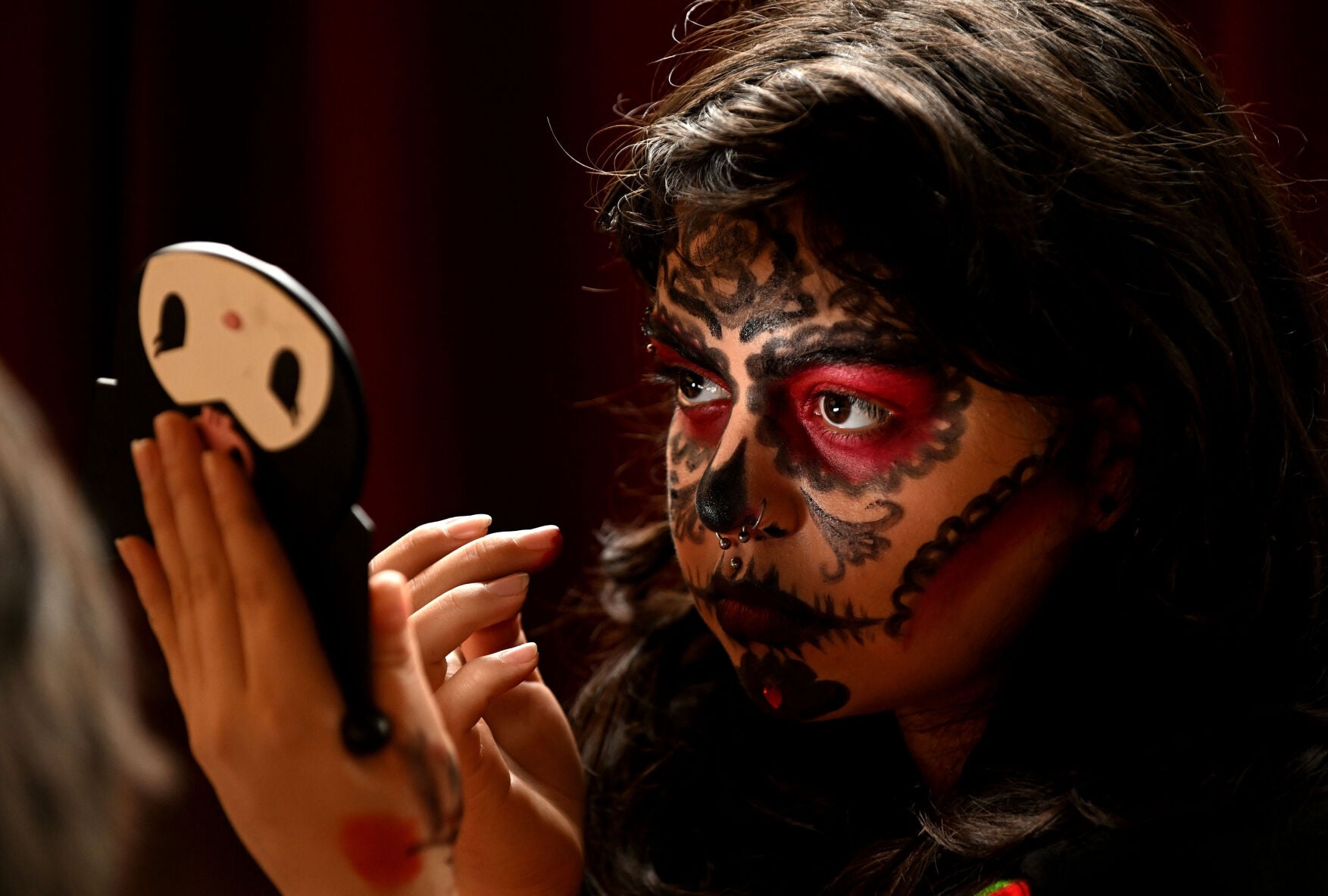
WHITE SALMON, WA: Ester Solorio prepares her face makeup while dressing up as a Catrina for Dia de Los Muertos in White Salmon, Washington on October 31, 2026. Solorio and her friends were taking part in the festivities for the White Salmon Halloween costume parade and trick or treating event in downtown White Salmon. The yearly Halloween event hosts trick or treating in stores for children, a festival of light, castle of curiosities and costumes along East Jewett Blvd. This year Diaz Medina and others wanted to celebrate Dia de Los Muertos one day early on Halloween to help educate and show people what their traditional holiday is all about. For Dia de Los Muertos, or Day of the Dead, women often dress up as Catrinas or La Calavera Catrina which in Spanish translates to The Dapper (female) Skull. They paint their faces with elaborate makeup and dress elegantly as female skeletons. This iconography serves as the most famous symbol of Mexico’s Day of the Dead or Dia de Los Muertos. During Day of the Dead celebrations November 1st and 2nd, Catrina’s image is seen everywhere: painted on people’s faces, sculpted from clay, printed on merchandise and built as giant public art installations. (Photo by Helen H. Richardson)
- HELEN H. RICHARDSON
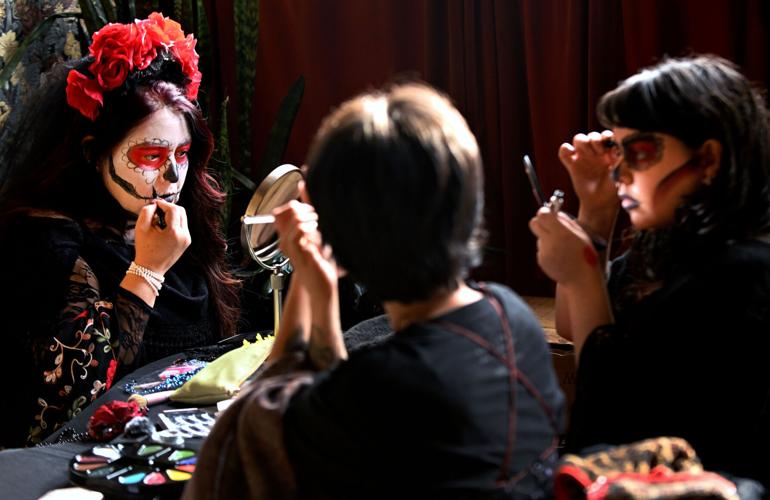
WHITE SALMON, WA: Oralia Diaz Medina prepares her face makeup while dressing up as a Catrina for Dia de Los Muertos in White Salmon, Washington on October 31, 2026. Medina and her friends were taking part in the festivities for the White Salmon Halloween costume parade and trick or treating event in downtown White Salmon. The yearly Halloween event hosts trick or treating in stores for children, a festival of light, castle of curiosities and costumes along East Jewett Blvd. This year Diaz Medina and others wanted to celebrate Dia de Los Muertos one day early on Halloween to help educate and show people what their traditional holiday is all about. For Dia de Los Muertos, or Day of the Dead, women often dress up as Catrinas or La Calavera Catrina which in Spanish translates to The Dapper (female) Skull. They paint their faces with elaborate makeup and dress elegantly as female skeletons. This iconography serves as the most famous symbol of Mexico’s Day of the Dead or Dia de Los Muertos. During Day of the Dead celebrations November 1st and 2nd, Catrina’s image is seen everywhere: painted on people’s faces, sculpted from clay, printed on merchandise and built as giant public art installations. (Photo by Helen H. Richardson)
- HELEN H. RICHARDSON
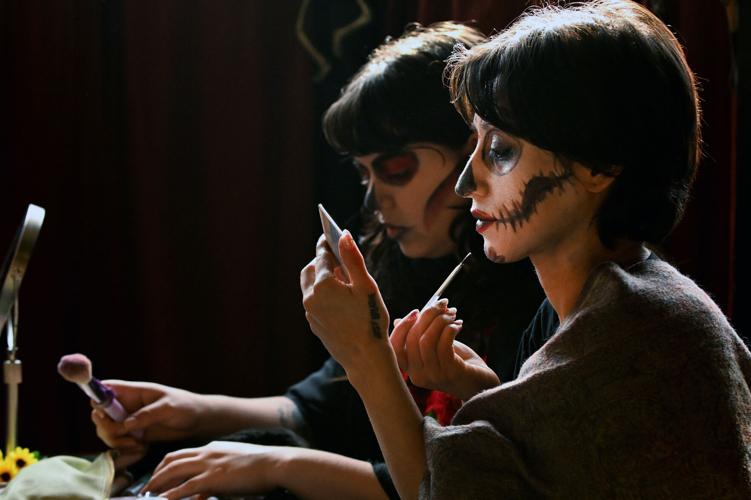
WHITE SALMON, WA: Oralia Diaz Medina prepares her face makeup while dressing up as a Catrina for Dia de Los Muertos in White Salmon, Washington on October 31, 2026. Medina and her friends were taking part in the festivities for the White Salmon Halloween costume parade and trick or treating event in downtown White Salmon. The yearly Halloween event hosts trick or treating in stores for children, a festival of light, castle of curiosities and costumes along East Jewett Blvd. This year Diaz Medina and others wanted to celebrate Dia de Los Muertos one day early on Halloween to help educate and show people what their traditional holiday is all about. For Dia de Los Muertos, or Day of the Dead, women often dress up as Catrinas or La Calavera Catrina which in Spanish translates to The Dapper (female) Skull. They paint their faces with elaborate makeup and dress elegantly as female skeletons. This iconography serves as the most famous symbol of Mexico’s Day of the Dead or Dia de Los Muertos. During Day of the Dead celebrations November 1st and 2nd, Catrina’s image is seen everywhere: painted on people’s faces, sculpted from clay, printed on merchandise and built as giant public art installations. (Photo by Helen H. Richardson)
- HELEN H. RICHARDSON
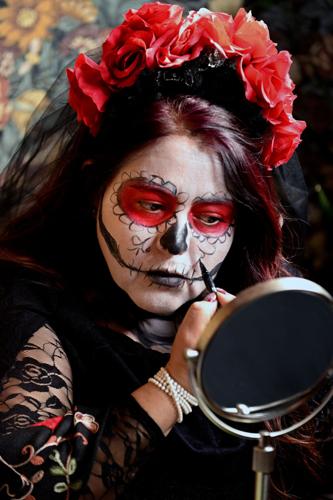
WHITE SALMON, WA: Mary Alejandre prepares her face makeup while dressing up as a Catrina for Dia de Los Muertos in White Salmon, Washington on October 31, 2026. Alejandre and her friends were taking part in the festivities for the White Salmon Halloween costume parade and trick or treating event in downtown White Salmon. The yearly Halloween event hosts trick or treating in stores for children, a festival of light, castle of curiosities and costumes along East Jewett Blvd. This year Diaz Medina and others wanted to celebrate Dia de Los Muertos one day early on Halloween to help educate and show people what their traditional holiday is all about. For Dia de Los Muertos, or Day of the Dead, women often dress up as Catrinas or La Calavera Catrina which in Spanish translates to The Dapper (female) Skull. They paint their faces with elaborate makeup and dress elegantly as female skeletons. This iconography serves as the most famous symbol of Mexico’s Day of the Dead or Dia de Los Muertos. During Day of the Dead celebrations November 1st and 2nd, Catrina’s image is seen everywhere: painted on people’s faces, sculpted from clay, printed on merchandise and built as giant public art installations. (Photo by Helen H. Richardson)
- HELEN H. RICHARDSON
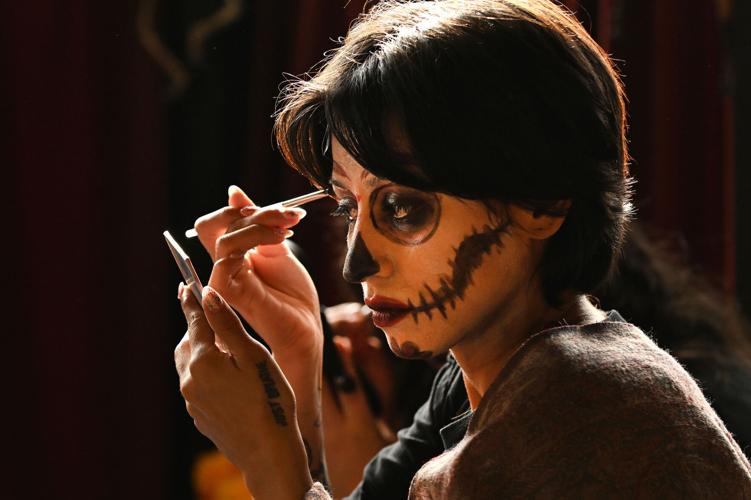
WHITE SALMON, WA: Oralia Diaz Medina prepares her face makeup while dressing up as a Catrina for Dia de Los Muertos in White Salmon, Washington on October 31, 2026. Medina and her friends were taking part in the festivities for the White Salmon Halloween costume parade and trick or treating event in downtown White Salmon. The yearly Halloween event hosts trick or treating in stores for children, a festival of light, castle of curiosities and costumes along East Jewett Blvd. This year Diaz Medina and others wanted to celebrate Dia de Los Muertos one day early on Halloween to help educate and show people what their traditional holiday is all about. For Dia de Los Muertos, or Day of the Dead, women often dress up as Catrinas or La Calavera Catrina which in Spanish translates to The Dapper (female) Skull. They paint their faces with elaborate makeup and dress elegantly as female skeletons. This iconography serves as the most famous symbol of Mexico’s Day of the Dead or Dia de Los Muertos. During Day of the Dead celebrations November 1st and 2nd, Catrina’s image is seen everywhere: painted on people’s faces, sculpted from clay, printed on merchandise and built as giant public art installations. (Photo by Helen H. Richardson)
- HELEN H. RICHARDSON
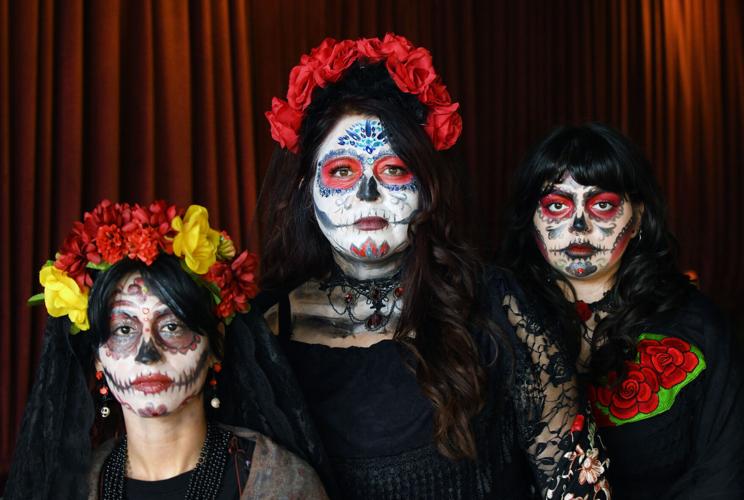
WHITE SALMON, WA: Oralia Diaz Medina prepares her face makeup while dressing up as a Catrina for Dia de Los Muertos in White Salmon, Washington on October 31, 2026. Medina and her friends were taking part in the festivities for the White Salmon Halloween costume parade and trick or treating event in downtown White Salmon. The yearly Halloween event hosts trick or treating in stores for children, a festival of light, castle of curiosities and costumes along East Jewett Blvd. This year Diaz Medina and others wanted to celebrate Dia de Los Muertos one day early on Halloween to help educate and show people what their traditional holiday is all about. For Dia de Los Muertos, or Day of the Dead, women often dress up as Catrinas or La Calavera Catrina which in Spanish translates to The Dapper (female) Skull. They paint their faces with elaborate makeup and dress elegantly as female skeletons. This iconography serves as the most famous symbol of Mexico’s Day of the Dead or Dia de Los Muertos. During Day of the Dead celebrations November 1st and 2nd, Catrina’s image is seen everywhere: painted on people’s faces, sculpted from clay, printed on merchandise and built as giant public art installations. (Photo by Helen H. Richardson)
- HELEN H. RICHARDSON
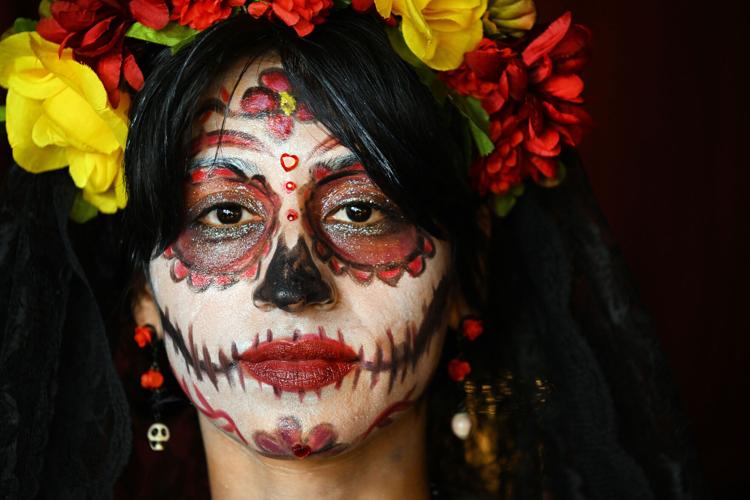
WHITE SALMON, WA: Oralia Diaz Medina shows off her intricate Dia de Los Muertos makeup while dressed up as a Catrina for Dia de Los Muertos in White Salmon, Washington on October 31, 2026. Diaz Medina and her friends were taking part in the festivities for the White Salmon Halloween costume parade and trick or treating event in downtown White Salmon. The yearly Halloween event hosts trick or treating in stores for children, a festival of light, castle of curiosities and costumes along East Jewett Blvd. This year Diaz Medina and others wanted to celebrate Dia de Los Muertos one day early on Halloween to help educate and show people what their traditional holiday is all about. For Dia de Los Muertos, or Day of the Dead, women often dress up as Catrinas or La Calavera Catrina which in Spanish translates to The Dapper (female) Skull. They paint their faces with elaborate makeup and dress elegantly as female skeletons. This iconography serves as the most famous symbol of Mexico’s Day of the Dead or Dia de Los Muertos. During Day of the Dead celebrations November 1st and 2nd, Catrina’s image is seen everywhere: painted on people’s faces, sculpted from clay, printed on merchandise and built as giant public art installations. (Photo by Helen H. Richardson)
- HELEN H. RICHARDSON
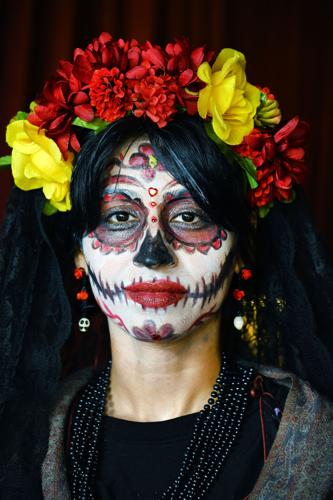
WHITE SALMON, WA: Oralia Diaz Medina shows off her intricate Dia de Los Muertos makeup while dressed up as a Catrina for Dia de Los Muertos in White Salmon, Washington on October 31, 2026. Diaz Medina and her friends were taking part in the festivities for the White Salmon Halloween costume parade and trick or treating event in downtown White Salmon. The yearly Halloween event hosts trick or treating in stores for children, a festival of light, castle of curiosities and costumes along East Jewett Blvd. This year Diaz Medina and others wanted to celebrate Dia de Los Muertos one day early on Halloween to help educate and show people what their traditional holiday is all about. For Dia de Los Muertos, or Day of the Dead, women often dress up as Catrinas or La Calavera Catrina which in Spanish translates to The Dapper (female) Skull. They paint their faces with elaborate makeup and dress elegantly as female skeletons. This iconography serves as the most famous symbol of Mexico’s Day of the Dead or Dia de Los Muertos. During Day of the Dead celebrations November 1st and 2nd, Catrina’s image is seen everywhere: painted on people’s faces, sculpted from clay, printed on merchandise and built as giant public art installations. (Photo by Helen H. Richardson)
- HELEN H. RICHARDSON
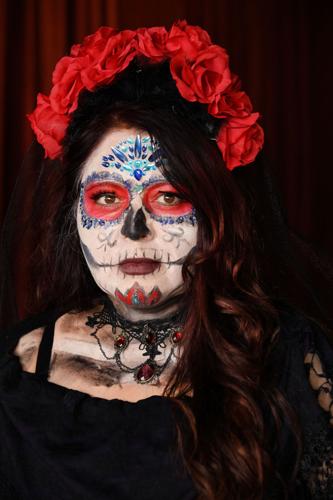
WHITE SALMON, WA: Oralia Diaz Medina prepares her face makeup while dressing up as a Catrina for Dia de Los Muertos in White Salmon, Washington on October 31, 2026. Medina and her friends were taking part in the festivities for the White Salmon Halloween costume parade and trick or treating event in downtown White Salmon. The yearly Halloween event hosts trick or treating in stores for children, a festival of light, castle of curiosities and costumes along East Jewett Blvd. This year Diaz Medina and others wanted to celebrate Dia de Los Muertos one day early on Halloween to help educate and show people what their traditional holiday is all about. For Dia de Los Muertos, or Day of the Dead, women often dress up as Catrinas or La Calavera Catrina which in Spanish translates to The Dapper (female) Skull. They paint their faces with elaborate makeup and dress elegantly as female skeletons. This iconography serves as the most famous symbol of Mexico’s Day of the Dead or Dia de Los Muertos. During Day of the Dead celebrations November 1st and 2nd, Catrina’s image is seen everywhere: painted on people’s faces, sculpted from clay, printed on merchandise and built as giant public art installations. (Photo by Helen H. Richardson)
- HELEN H. RICHARDSON
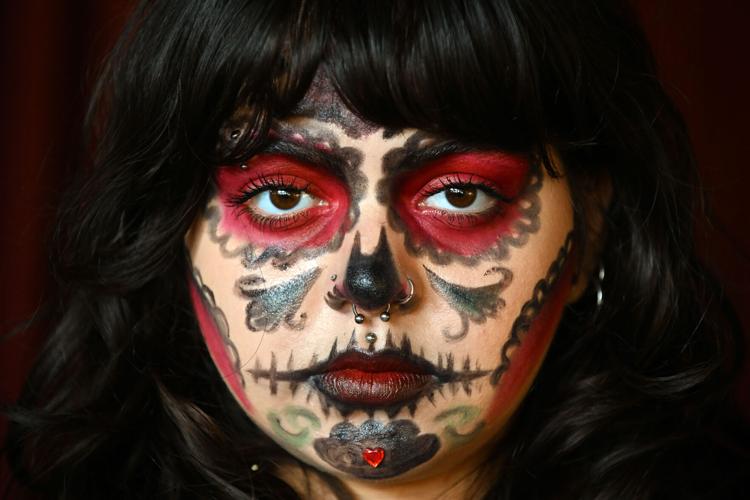
WHITE SALMON, WA: Ester Solorio shows off her intricate Dia de Los Muertos makeup while dressed up as a Catrina for Dia de Los Muertos in White Salmon, Washington on October 31, 2026. Solorio and her friends were taking part in the festivities for the White Salmon Halloween costume parade and trick or treating event in downtown White Salmon. The yearly Halloween event hosts trick or treating in stores for children, a festival of light, castle of curiosities and costumes along East Jewett Blvd. This year Diaz Medina and others wanted to celebrate Dia de Los Muertos one day early on Halloween to help educate and show people what their traditional holiday is all about. For Dia de Los Muertos, or Day of the Dead, women often dress up as Catrinas or La Calavera Catrina which in Spanish translates to The Dapper (female) Skull. They paint their faces with elaborate makeup and dress elegantly as female skeletons. This iconography serves as the most famous symbol of Mexico’s Day of the Dead or Dia de Los Muertos. During Day of the Dead celebrations November 1st and 2nd, Catrina’s image is seen everywhere: painted on people’s faces, sculpted from clay, printed on merchandise and built as giant public art installations. (Photo by Helen H. Richardson)
- HELEN H. RICHARDSON
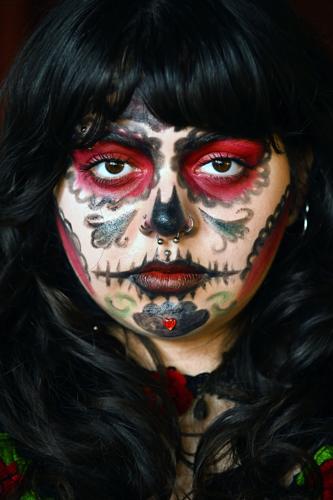
WHITE SALMON, WA: Ester Solorio shows off her intricate Dia de Los Muertos makeup while dressed up as a Catrina for Dia de Los Muertos in White Salmon, Washington on October 31, 2026. Solorio and her friends were taking part in the festivities for the White Salmon Halloween costume parade and trick or treating event in downtown White Salmon. The yearly Halloween event hosts trick or treating in stores for children, a festival of light, castle of curiosities and costumes along East Jewett Blvd. This year Diaz Medina and others wanted to celebrate Dia de Los Muertos one day early on Halloween to help educate and show people what their traditional holiday is all about. For Dia de Los Muertos, or Day of the Dead, women often dress up as Catrinas or La Calavera Catrina which in Spanish translates to The Dapper (female) Skull. They paint their faces with elaborate makeup and dress elegantly as female skeletons. This iconography serves as the most famous symbol of Mexico’s Day of the Dead or Dia de Los Muertos. During Day of the Dead celebrations November 1st and 2nd, Catrina’s image is seen everywhere: painted on people’s faces, sculpted from clay, printed on merchandise and built as giant public art installations. (Photo by Helen H. Richardson)
- HELEN H. RICHARDSON
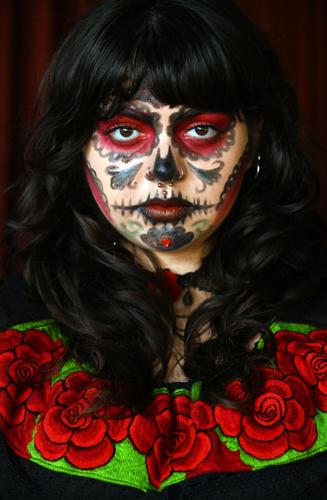
WHITE SALMON, WA: Ester Solorio shows off her intricate Dia de Los Muertos makeup while dressed up as a Catrina for Dia de Los Muertos in White Salmon, Washington on October 31, 2026. Solorio and her friends were taking part in the festivities for the White Salmon Halloween costume parade and trick or treating event in downtown White Salmon. The yearly Halloween event hosts trick or treating in stores for children, a festival of light, castle of curiosities and costumes along East Jewett Blvd. This year Diaz Medina and others wanted to celebrate Dia de Los Muertos one day early on Halloween to help educate and show people what their traditional holiday is all about. For Dia de Los Muertos, or Day of the Dead, women often dress up as Catrinas or La Calavera Catrina which in Spanish translates to The Dapper (female) Skull. They paint their faces with elaborate makeup and dress elegantly as female skeletons. This iconography serves as the most famous symbol of Mexico’s Day of the Dead or Dia de Los Muertos. During Day of the Dead celebrations November 1st and 2nd, Catrina’s image is seen everywhere: painted on people’s faces, sculpted from clay, printed on merchandise and built as giant public art installations. (Photo by Helen H. Richardson)
- HELEN H. RICHARDSON
More like this...
WHITE SALMON, WA: Mary Alejandre prepares her face makeup while dressing up as a Catrina for Dia de Los Muertos in White Salmon, Washington on October 31, 2026. Alejandre and her friends were taking part in the festivities for the White Salmon Halloween costume parade and trick or treating event in downtown White Salmon. The yearly Halloween event hosts trick or treating in stores for children, a festival of light, castle of curiosities and costumes along East Jewett Blvd. This year Diaz Medina and others wanted to celebrate Dia de Los Muertos one day early on Halloween to help educate and show people what their traditional holiday is all about. For Dia de Los Muertos, or Day of the Dead, women often dress up as Catrinas or La Calavera Catrina which in Spanish translates to The Dapper (female) Skull. They paint their faces with elaborate makeup and dress elegantly as female skeletons. This iconography serves as the most famous symbol of Mexico’s Day of the Dead or Dia de Los Muertos. During Day of the Dead celebrations November 1st and 2nd, Catrina’s image is seen everywhere: painted on people’s faces, sculpted from clay, printed on merchandise and built as giant public art installations. (Photo by Helen H. Richardson)
- HELEN H. RICHARDSON
WHITE SALMON, WA: Ester Solorio prepares her face makeup while dressing up as a Catrina for Dia de Los Muertos in White Salmon, Washington on October 31, 2026. Solorio and her friends were taking part in the festivities for the White Salmon Halloween costume parade and trick or treating event in downtown White Salmon. The yearly Halloween event hosts trick or treating in stores for children, a festival of light, castle of curiosities and costumes along East Jewett Blvd. This year Diaz Medina and others wanted to celebrate Dia de Los Muertos one day early on Halloween to help educate and show people what their traditional holiday is all about. For Dia de Los Muertos, or Day of the Dead, women often dress up as Catrinas or La Calavera Catrina which in Spanish translates to The Dapper (female) Skull. They paint their faces with elaborate makeup and dress elegantly as female skeletons. This iconography serves as the most famous symbol of Mexico’s Day of the Dead or Dia de Los Muertos. During Day of the Dead celebrations November 1st and 2nd, Catrina’s image is seen everywhere: painted on people’s faces, sculpted from clay, printed on merchandise and built as giant public art installations. (Photo by Helen H. Richardson)
- HELEN H. RICHARDSON
WHITE SALMON, WA: Oralia Diaz Medina prepares her face makeup while dressing up as a Catrina for Dia de Los Muertos in White Salmon, Washington on October 31, 2026. Medina and her friends were taking part in the festivities for the White Salmon Halloween costume parade and trick or treating event in downtown White Salmon. The yearly Halloween event hosts trick or treating in stores for children, a festival of light, castle of curiosities and costumes along East Jewett Blvd. This year Diaz Medina and others wanted to celebrate Dia de Los Muertos one day early on Halloween to help educate and show people what their traditional holiday is all about. For Dia de Los Muertos, or Day of the Dead, women often dress up as Catrinas or La Calavera Catrina which in Spanish translates to The Dapper (female) Skull. They paint their faces with elaborate makeup and dress elegantly as female skeletons. This iconography serves as the most famous symbol of Mexico’s Day of the Dead or Dia de Los Muertos. During Day of the Dead celebrations November 1st and 2nd, Catrina’s image is seen everywhere: painted on people’s faces, sculpted from clay, printed on merchandise and built as giant public art installations. (Photo by Helen H. Richardson)
- HELEN H. RICHARDSON
WHITE SALMON, WA: Mary Alejandre prepares her face makeup while dressing up as a Catrina for Dia de Los Muertos in White Salmon, Washington on October 31, 2026. Alejandre and her friends were taking part in the festivities for the White Salmon Halloween costume parade and trick or treating event in downtown White Salmon. The yearly Halloween event hosts trick or treating in stores for children, a festival of light, castle of curiosities and costumes along East Jewett Blvd. This year Diaz Medina and others wanted to celebrate Dia de Los Muertos one day early on Halloween to help educate and show people what their traditional holiday is all about. For Dia de Los Muertos, or Day of the Dead, women often dress up as Catrinas or La Calavera Catrina which in Spanish translates to The Dapper (female) Skull. They paint their faces with elaborate makeup and dress elegantly as female skeletons. This iconography serves as the most famous symbol of Mexico’s Day of the Dead or Dia de Los Muertos. During Day of the Dead celebrations November 1st and 2nd, Catrina’s image is seen everywhere: painted on people’s faces, sculpted from clay, printed on merchandise and built as giant public art installations. (Photo by Helen H. Richardson)
- HELEN H. RICHARDSON
WHITE SALMON, WA: Oralia Diaz Medina prepares her face makeup while dressing up as a Catrina for Dia de Los Muertos in White Salmon, Washington on October 31, 2026. Medina and her friends were taking part in the festivities for the White Salmon Halloween costume parade and trick or treating event in downtown White Salmon. The yearly Halloween event hosts trick or treating in stores for children, a festival of light, castle of curiosities and costumes along East Jewett Blvd. This year Diaz Medina and others wanted to celebrate Dia de Los Muertos one day early on Halloween to help educate and show people what their traditional holiday is all about. For Dia de Los Muertos, or Day of the Dead, women often dress up as Catrinas or La Calavera Catrina which in Spanish translates to The Dapper (female) Skull. They paint their faces with elaborate makeup and dress elegantly as female skeletons. This iconography serves as the most famous symbol of Mexico’s Day of the Dead or Dia de Los Muertos. During Day of the Dead celebrations November 1st and 2nd, Catrina’s image is seen everywhere: painted on people’s faces, sculpted from clay, printed on merchandise and built as giant public art installations. (Photo by Helen H. Richardson)
- HELEN H. RICHARDSON
WHITE SALMON, WA: Oralia Diaz Medina shows off her intricate Dia de Los Muertos makeup while dressed up as a Catrina for Dia de Los Muertos in White Salmon, Washington on October 31, 2026. Diaz Medina and her friends were taking part in the festivities for the White Salmon Halloween costume parade and trick or treating event in downtown White Salmon. The yearly Halloween event hosts trick or treating in stores for children, a festival of light, castle of curiosities and costumes along East Jewett Blvd. This year Diaz Medina and others wanted to celebrate Dia de Los Muertos one day early on Halloween to help educate and show people what their traditional holiday is all about. For Dia de Los Muertos, or Day of the Dead, women often dress up as Catrinas or La Calavera Catrina which in Spanish translates to The Dapper (female) Skull. They paint their faces with elaborate makeup and dress elegantly as female skeletons. This iconography serves as the most famous symbol of Mexico’s Day of the Dead or Dia de Los Muertos. During Day of the Dead celebrations November 1st and 2nd, Catrina’s image is seen everywhere: painted on people’s faces, sculpted from clay, printed on merchandise and built as giant public art installations. (Photo by Helen H. Richardson)
- HELEN H. RICHARDSON
WHITE SALMON, WA: Oralia Diaz Medina prepares her face makeup while dressing up as a Catrina for Dia de Los Muertos in White Salmon, Washington on October 31, 2026. Medina and her friends were taking part in the festivities for the White Salmon Halloween costume parade and trick or treating event in downtown White Salmon. The yearly Halloween event hosts trick or treating in stores for children, a festival of light, castle of curiosities and costumes along East Jewett Blvd. This year Diaz Medina and others wanted to celebrate Dia de Los Muertos one day early on Halloween to help educate and show people what their traditional holiday is all about. For Dia de Los Muertos, or Day of the Dead, women often dress up as Catrinas or La Calavera Catrina which in Spanish translates to The Dapper (female) Skull. They paint their faces with elaborate makeup and dress elegantly as female skeletons. This iconography serves as the most famous symbol of Mexico’s Day of the Dead or Dia de Los Muertos. During Day of the Dead celebrations November 1st and 2nd, Catrina’s image is seen everywhere: painted on people’s faces, sculpted from clay, printed on merchandise and built as giant public art installations. (Photo by Helen H. Richardson)
- HELEN H. RICHARDSON
WHITE SALMON, WA: Ester Solorio shows off her intricate Dia de Los Muertos makeup while dressed up as a Catrina for Dia de Los Muertos in White Salmon, Washington on October 31, 2026. Solorio and her friends were taking part in the festivities for the White Salmon Halloween costume parade and trick or treating event in downtown White Salmon. The yearly Halloween event hosts trick or treating in stores for children, a festival of light, castle of curiosities and costumes along East Jewett Blvd. This year Diaz Medina and others wanted to celebrate Dia de Los Muertos one day early on Halloween to help educate and show people what their traditional holiday is all about. For Dia de Los Muertos, or Day of the Dead, women often dress up as Catrinas or La Calavera Catrina which in Spanish translates to The Dapper (female) Skull. They paint their faces with elaborate makeup and dress elegantly as female skeletons. This iconography serves as the most famous symbol of Mexico’s Day of the Dead or Dia de Los Muertos. During Day of the Dead celebrations November 1st and 2nd, Catrina’s image is seen everywhere: painted on people’s faces, sculpted from clay, printed on merchandise and built as giant public art installations. (Photo by Helen H. Richardson)
- HELEN H. RICHARDSON
More like this...
News and Info from our Community Partners
Information from the News and our advertisers (Want to add your business to this to this feed?)
Sign Up For Newsletters
Success! An email has been sent to with a link to confirm list signup.
Error! There was an error processing your request.
Columbia Gorge News
Sign up to receive notifications when a new Columbia Gorge News e-Edition is published.
News Updates
Would you like to receive our news updates? Signup today!
Obituary updates
Receive weekly updates on obituaries and death notices.
Oregon Capital Press
Oregon Capital Press presented by Columbia Gorge News
Promotions
Receive updates on upcoming promotions and special sections.
Registered users-non-subscribers
Imported List: Registered users-non-subscribersSports updates
Receive weekly updates on local sports news.
Most Popular
Articles
- Preliminary results for Hood River, Wasco, Klickitat and Skamania counties: Nov. 3 General Election
- Obituary: Patricia Campbell, Katie Kinder, and Evan Kinder
- Obituary: Jake Moore
- Meet the candidates: The Dalles Mayor
- Witches Walk sparks controversy
- Deaths & Services: Nov. 4, 2026
- Obituary: Ross Brown
- Obituary: Jeanine Jacobson
- More hearings, regulations for the Cascade Renewable Transmission Project
- Obituary: Jesse “Rocky” Rice
Images


Videos


Commented
Latest News
- City of Hood River Statement on Election Results
- UO survey on access, trust in local news
- Preliminary results for Hood River, Wasco, Klickitat and Skamania counties: Nov. 3 General Election
- KPUD corrects possible substation location
- Artists League exhibit
- MCCAC gives annual report
- Cinematic majesty handmade in Oregon
- Klickitat County ADU ordinance confusion solved


