Prescribed fires are a common tool used by land managers and conservation groups to reduce the amount of fuel available for wildfires, improve the health of older trees, support new and current wildlife habitats, and recycle soil nutrients back into the ground.
Successful completion of a prescribed fire operation enhances public safety by providing wildland firefighters a safer landscape on which to fight a wildfire. It can also lessen the amount of smoke caused by wildfires due to the reduction of fuels.
A recent study completed by Washington Department of Natural Resources (DNR) scientists found that forest health treatments that included prescribed fire in addition to mechanical thinning of tree stands were more likely to be effective when impacted by a wildfire.
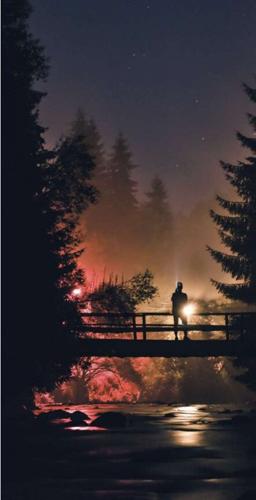
The smoke impacts from prescribed fire are minimal and short-lived compared to those caused by wildfire. Burn crews carefully monitor conditions to limit the effects of smoke on nearby residents.
Contributed photo
Smoke impacts may reduce visibility on roads adjacent to a prescribed burn.
Persons and businesses with increased sensitivity to smoke should be prepared to follow the same precautions they would for wildfire smoke. These include limiting physical activity outdoors, closing the fresh-air intake on air circulation systems, and creating a box fan filter.
Additional information is available on the Washington Department of Natural Resources website, www.dnr.wa.gov/Wildfires.
Outdoor recreationists and hunters are encouraged to check closure information frequently to ensure the areas they plan to visit are open. All burn areas will have signs posted in advance.
•••
This story originally appeared in “Fire in the Gorge: Emergency Preparedness,” a special publication of Columbia Gorge News with presenting sponsor Washington Department of Natural Resources.



Commented