
For many students, math carries a reputation that makes palms sweat before a single number appears on the board. Pi Day flips that script on March 14, inviting learners to grab rulers, measure real circles and test ideas instead of worrying about wrong answers. When teachers and families turn the day into a hands-on challenge filled with curiosity, students get permission to try, miss and discover that they can solve more than they thought.
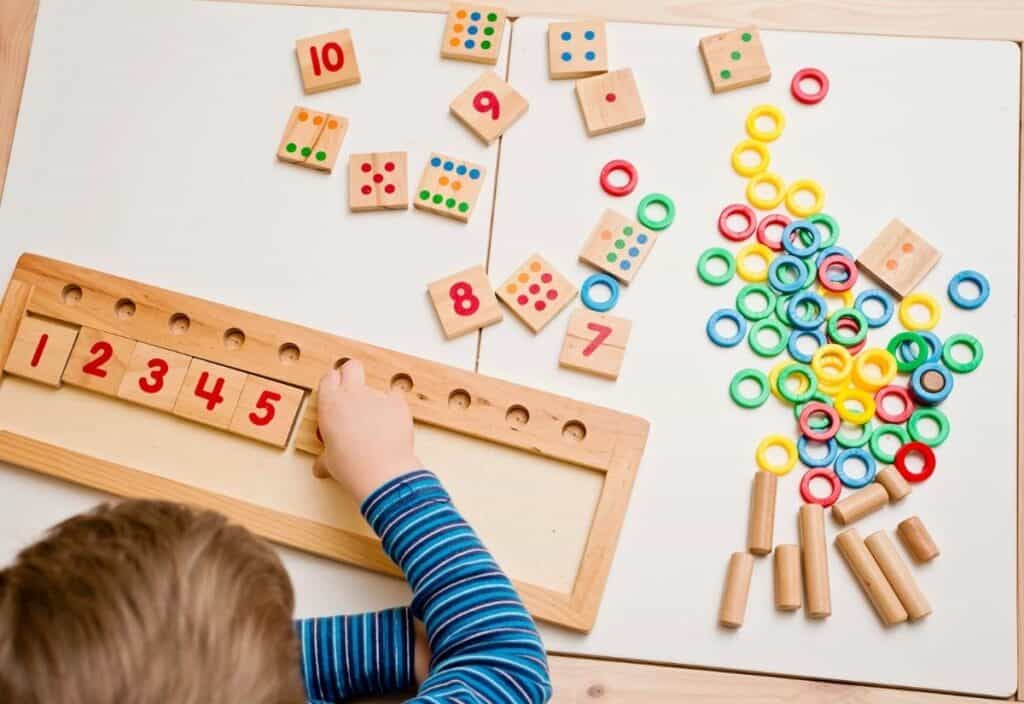
Momentum builds when adults step in and participate alongside students during Pi Day activities. As classrooms introduce measuring games and kitchen tables turn into mini labs, learners stop bracing for mistakes and begin testing ideas out loud with growing confidence. The shared energy extends beyond March 14 and reminds students that math rewards effort and curiosity rather than flawless answers.
What Pi Day means
Pi Day falls on March 14 because the date matches the first three digits of pi, 3.14. The number represents the ratio of a circle’s circumference to its diameter and appears in formulas used in geometry, engineering and science. Classrooms across the United States recognize the day as a way to make this constant feel accessible rather than abstract.
The celebration began in 1988 at the Exploratorium science museum in San Francisco, where physicist Larry Shaw organized an informal gathering that included circular parades and pie. The event gained popularity among educators and math enthusiasts who saw the date as a natural teaching moment. In 2009, the U.S. House of Representatives passed a resolution supporting the recognition of Pi Day, which gives the once-informal celebration national visibility.
Schools celebrate Pi Day because it offers a built-in opportunity to promote math literacy in an inviting setting. Teachers use the date to spark curiosity about geometry, measurement and real-world problem-solving. Families join in with pie making, circle hunts and number games that turn a famous constant into something students can see and test for themselves.
Families take part at home
Parents can reinforce math thinking with simple challenges as they set up the kitchen table. They can measure cookies, cups and bowls together, giving children a chance to ask questions and try solutions with support. These problem-solving activities ease pressure around getting the right answer.
At home, families can also play math-focused board games or card games to practice thinking in a relaxed setting. Turning learning into play encourages natural conversation about numbers without raising stress or fear.
Adapt projects for all ages
Teachers often introduce Pi Day with hands-on tasks that connect math to real measurement and creative work. Students measure the circumference and diameter of plates and lids, calculate their own pi and test how closely their results match 3.14. Through rulers, discussion and comparison, learners see how the constant relates to the circles they encounter every day.
Some classrooms work through problem sets that demonstrate how professionals use pi in design and measurement, helping students connect classroom lessons to practical careers. Clear examples strengthen understanding and make abstract concepts easier to grasp.
Scavenger hunts based on pi digits keep students engaged as they rotate through short stations, with each activity reinforcing geometry and number sense without overwhelming them with equations. Collaborative tasks also promote peer discussion and joint problem solving.
Teacher support strengthens math learning
Educational specialists say students achieve stronger math outcomes when they experience positive relationships with their teachers. Supportive classroom environments help students approach math challenges with confidence because teacher guidance and encouragement make complex ideas easier to tackle. Teachers build these connections through teamwork activities that encourage students to approach challenges as shared tasks.
Teachers also support student learning by giving regular opportunities to explain their thinking. When learners describe how they reached an answer during class discussions or short group presentations, they practice organizing ideas and defending their reasoning, which helps them express mathematical ideas in their own words.
Bring math into daily life
Pi Day serves as a bridge between school lessons and the wider world. Teachers can point to examples of circular design in architecture, transportation and manufacturing to demonstrate where pi operates beyond textbooks. Real applications give students context for why precision matters.
Students can also encounter math in everyday settings outside the classroom. During a walk through the neighborhood or a trip to the park, adults can point out circular features such as bike wheels, manhole covers or playground equipment. Writing short pi poems or creating number puzzles adds a creative layer that reinforces understanding without pressure. These small habits keep math present in daily life while building familiarity through steady practice.
Build confidence with pi
Pi Day proves that math does not have to feel cold or intimidating. When adults invite students to measure, build, play and talk through problems, numbers become practical tools for everyday thinking. If families and teachers keep that energy alive after March 14, they will raise learners who approach math with curiosity and a willingness to explore.
Mandy writes about food, home and the kind of everyday life that feels anything but ordinary. She has traveled extensively, and those experiences have shaped everything, from comforting meals to small lifestyle upgrades that make a big difference. You’ll find all her favorite recipes over at Hungry Cooks Kitchen.
The post On Pi Day, teachers turn numbers into something students can enjoy appeared first on Food Drink Life.


Commented
Sorry, there are no recent results for popular commented articles.