In the June 13 City Council meeting, CDP Director of Development Jessica Woodruff presented councilors with new information about the Rand Road housing project. The original development proposal suggested 129 total units, with 20 at 30% Area Median Income (AMI) and 109 at 60% AMI. The new mix increases the number of 30% AMI to 39 units and the remaining 90 at 60% AMI.
In the June 13 City Council meeting, CDP Director of Development Jessica Woodruff presented councilors with new information about the Rand Road housing project. The original development proposal suggested 129 total units, with 20 at 30% Area Median Income (AMI) and 109 at 60% AMI. The new mix increases the number of 30% AMI to 39 units and the remaining 90 at 60% AMI.
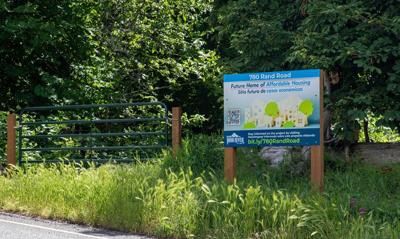
HOOD RIVER — In November 2021 the City of Hood River agreed to contract with Community Development Partners (CDP) to develop the seven acre Rand Road property into affordable housing. CDP is currently in the process of applying for funding and making changes to the number of units at each income percentage level.
In the June 13 City Council meeting, CDP Director of Development Jessica Woodruff presented councilors with new information about the project.
The original development proposal suggested 129 total units, with 20 at 30% Area Median Income (AMI) and 109 at 60% AMI. The new mix increases the number of 30% AMI to 39 units and the remaining 90 at 60% AMI. This change comes as CDP is looking into funding options. According to Woodruff, the state and the Oregon Housing Authority is prioritizing allocation of funds to projects with more units in the 30% AMI range. Woodruff says more units at 30% AMI will be beneficial to everyone involved.
“It improved the financial feasibility of the project, because the OHA increased the number of Project Based Vouchers (PBVs),” she said.
PBVs help residents pay for rent and offer stability to the families and the project’s budget. The Mid-Columbia Housing Authority awarded CDP and the Columbia Cascade Housing Corporation (CCHC) 39 vouchers, which will be available to units in the 30% AMI range.
The change also earned additional points on their application towards to the Local Innovation and Fast Track (LIFT) Housing Program.
CDP and CCHC applied for the LIFT Rental fund on April 22. According to Woodruff, the LIFT fund has been “substantially oversubscribed.” Other projects, including the Rand Road project have requested $110 million, but with only $30 million in available money — in the Rural category — the assistance program is fiercely competitive. The Rand Road project asked for $17.6 million. If awarded, it would cover the entirety of the project and developers could move forward in the design and permitting process. Awards are expected to be announced at the end of August.
According to the meeting memorandum, CDP has met with the Energy Trust of Oregon (ETO) to find common ground and what is the best fit in their funding programs. The project currently qualifies for the Multi-Family and Attached Residences incentive fund, and also has plans to utilize the technical assistance and incentives for the Path to Net Zero solar program.
The CCHC isn’t going to let a funding opportunity pass them by. The group submitted a $3 million request to the office of Oregon Sen. Jeff Merkley with that decision coming by the end of the calendar year.
Across the state, affordable housing developers are facing many unprecedented challenges. Primary concerns center around rising costs of construction and volatile interest rate market. Prices for materials and labor have risen nearly 12% since last year.
“I have been doing affordable housing development in Oregon for quite some time now, and this is a very unique time (for housing projects),” said Woodruff. “But this is an exceptional project and it will get done.”
At the end of her presentation, Woodruff added that they are executing a “phased public outreach.” CDP hired the Center for Public Interest Design (CPID) to conduct the outreach. Currently in Phase one CPID is identifying potential community partners, beginning outreach to local farm and school groups and working to set parameters. Phase two is slated to start soon and will include phone calls with community stakeholders and organizations. The LatinX and Westside residents are expected to be the focal point. Phase three will be public meetings, followed by the fourth and final phase: A draft report that will include findings and recommendations.



Commented
Sorry, there are no recent results for popular commented articles.