Seth Tibbott is an expert in legume logs, gluten bakes, and tempeh casseroles. After all, he spent four decades building a vegan empire in Hood River.
But even Tibbott, who founded Turtle Island Foods and Tofurky, was shocked to learn that a century before he was experimenting with moldy soy beans, a small community of vegetarians in kitchens all around the country were tinkering with a meat-free Thanksgiving turkey.
Before the invention of nutritional yeast, MSG, and artificial flavorings, a 1900 copy of “Good Housekeeping Magazine” included ingredients and recipes for a vegetarian Thanksgiving dinner that promised to “prove a delicious and satisfying dinner to the most confirmed flesh-eater.”
After Tibbott found the recipe article earlier this year, he gathered 10 experienced vegan chefs from around the country and challenged them to recreate the meal for a fundraiser at Walnut Hill Culinary College in Philadelphia. The chefs were given license to update the recipes slightly.
“We just wanted to keep it as pure and whole food as they can,” Tibbott said. “We added a little nutritional yeast and upped some spices. But that was pretty much it.”
So, how does celery soup, lentil cutlets, rice croquettes, and a nut-veggie turkey from the 1900s taste? When you have some of the best vegan chefs in the world, including Rachel Klein of Miss Rachel’s Pantry and Hans Wrobel of Higher Taste, anything is possible.
The celery soup stole the show with its creamy texture and rich, savory flavor. The pumpkin pudding pleased the crowd, in part because the chefs welcomed oat milk, an invention that came 90 years after the Good Housekeeping recipe. And much like its fowl counterpart, the vegan turkey loaf (chestnuts and eggplant) was a little dry but turned delightful with the helping hand of a delicious mushroom gravy.
“The roast itself was very complicated because, in those days, the ingredients they had to work with were all very dense,” Wrobel, who developed the recipe for the roast, said. “I tried to lighten it up.”
Nutritional yeast — which chefs were allowed to use even though it wasn’t invented until after the magazine came out — helped lighten the loaf. After 12 different iterations, Wrobel found a winning recipe that allowed for a bright, savory flavor with an abundance of holiday herbs.
The dinner, which 90 people attended on Nov. 22, raised $15,000 for the American Vegan Society.
This meal was a full-circle moment for Tibbott. When he began tinkering with vegan food back in the ‘70s as a hippy in rural Oregon, he was driven by a deep desire to make vegans like himself feel comfortable at Thanksgiving dinner. After decades of selling tempeh, Tibbott produced a vegan meat-like substance and called it Tofurky, which remains one of the leading meat substitutes in the world.
“What’s the poor vegetarian do?” Tibbott said with a smile. Tofurky, one of the world’s leading vegan brands developed in Hood River, was born out of decades of searching for a vegan option “that was high protein and fun and delicious and [met] that need for the Thanksgiving holiday.”
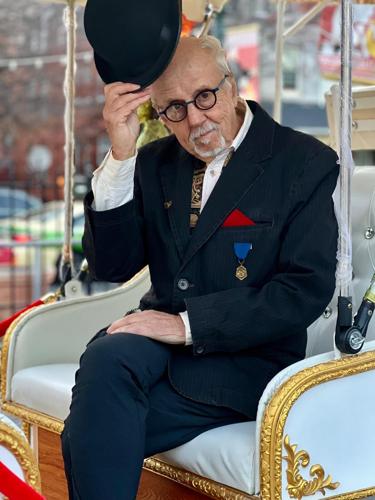
“Fun” is key. In his memoir, “In Search of the Wild Tofurky,” Tibbott writes that the secret ingredient that catapulted him from decades of slow growth as a tempeh chef to an overnight success was Tofurky’s playful name and vibe. So, naturally, the vegan dinner was a costume party.
“It was such a splendid affair,” said Citrini Devi, a diner and the winner of the costume contest with an orange and black lacey outfit that screamed “old-timey Halloween.” “Scrumptious food, wonderful company and conversation, good dancing. Just a delight!”
•••
Hank Sanders has been a reporter for The New York Times, Chicago Tribune, and Willamette Week. He grew up in rural Oregon and thinks it’s the best place in the world, though it also faces immense challenges. He talks about the challenges and solutions here. Reach him at hankcsanders@gmail.com.



Commented