

A wood duck paddles through the Oregon Zoo’s Cascade Stream and Pond area. The zoo temporarily moved most of its feathered residents off-view …
A wood duck paddles through the Oregon Zoo’s Cascade Stream and Pond area. The zoo temporarily moved most of its feathered residents off-view …

April’s “Wild About Nature” series continued at the White Salmon Valley Community Library last Friday and featured speakers Jim Hulbert, talking about Nesting Habits of Western Bluebirds, Tree Swallows, and Wood Ducks; and Tom Snellgrove, who spoke about the efforts he and his wife have taken to preserve the wildlife and habitat on their 10-acre home.
Living with Beavers, Wed. May 21 ODFW and the North Clackamas Urban Watersheds Council will host a presentation about living with beavers, featuring ODFW biologists Susan Barnes and Dave Stewart. The presentation will take place from 7-8:30 p.m. at the Milwaukie Center, located at 5445 SE Kellogg Creek Dr., Milwaukie, Ore.
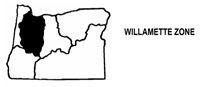
WILLAMETTE ZONE VIEWING auvie Island Wildlife Area Nesting season is winding down and now it is time to start looking for a variety of song birds, also shorebirds starting their fall migration and juvenile bald eagles and great blue heron taking their first flights. The best viewing opportunities are at Coon Point, Oak Island Nature Trail and Rentenaar Road.
EE Wilson Wildlife Area. There are lots of deer, shorebirds and waterfowl to see on the Wildlife Area—look for goose, mallard, hooded merganser and wood duck broods. Wildlife viewing remains good for waterfowl and shorebirds. Neotropical migrants in the area include yellow-breasted chat, American goldfinch, various swallows, warblers, thrush, kinglet and common yellowthroat.
Western Painted and Western Pond Turtles On warm, sunny days Oregon’s two native species of turtles can be seen on basking on logs in ponds, lakes, and side channels of rivers and large streams. Basking is critical to a turtle’s shell health and aids in food digestion. This is also the time of the year when turtles are often spotted on land, searching for places to lay their eggs. If you see a native turtle that seems to be headed somewhere, remove any hazards in its way and let it continue.
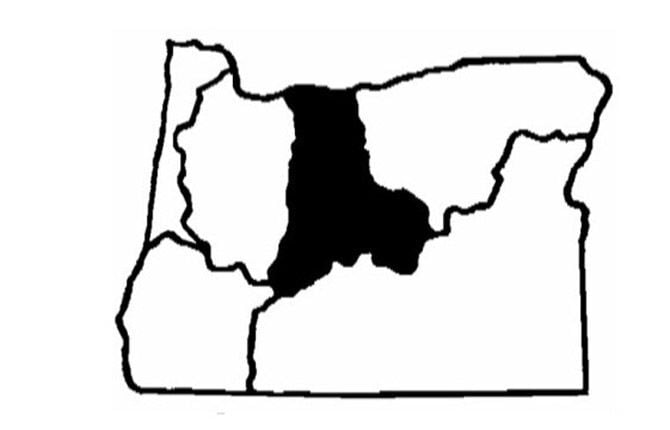
Wasco and Sherman counties Osprey can be seen nesting along the Columbia River, as well as swallows. The Lower Deschutes River provides ample wildlife viewing opportunities. California Bighorn Sheep are frequently observed in the canyon and can provide fantastic viewing this time of year. The best spot to view sheep is from the BLM access road just downstream and across the river from Sherar’s Falls (along Hwy 216).
NEWTS, a type of salamander common in the Pacific Northwest, may be observed in their migration from terrestrial environs such as rotten logs and moist soil to their breeding grounds in ponds, small lakes and the edges of streams. These small amphibians may be found if you are hiking in forests during or just after it rains.
Ruffed grouse courting Listen for a rhythmic drumming as you hike the forests this spring ― male ruffed grouse are out courting females and their rhythmic wing beating (drumming) is used to advertise their presence and draw females into their territories. Drumming starts with a slow but powerful wing beat every second, rapidly speeding up, and ending 8 to 11 seconds later. This acoustic “calling card” is repeated every 3 to 5 minutes in the early morning and late afternoon during the breeding season. Ruffed grouse are native to Oregon and can be easily identified by their relatively long, fan-shaped and distinctively banded tail in addition to their neck ruffs. Look and listen for these 16-19 inch long, brown or gray-brown, chicken sized birds in deciduous and mixed forest communities in western Oregon.
Springfield Area Fern Ridge Wildlife Area Fern Ridge Wildlife Area is open daily for public use providing great wildlife viewing opportunities. (One section of levee in the western portion of the Fisher Butte unit is posted closed to provide wildlife sanctuary during nesting season.)


