
Living with Beavers, Wed. May 21 ODFW and the North Clackamas Urban Watersheds Council will host a presentation about living with beavers, featuring ODFW biologists Susan Barnes and Dave Stewart. The presentation will take place from 7-8:30 p.m. at the Milwaukie Center, located at 5445 SE Kellogg Creek Dr., Milwaukie, Ore.
From
To
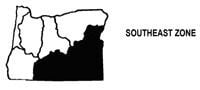
SOUTHEAST ZONE VIEWING Waterfowl spring migration has slowed and most white geese and white-fronted geese have headed migrated north. Pintail, shoveler, wigeon, mallard, gadwall, green-winged teal, cinnamon teal and a variety of diver species can still be viewed in good numbers. Sandhill cranes can be found in agricultural fields throughout the Harney Basin.
WILLAMETTE ZONE VIEWING auvie Island Wildlife Area Nesting season is winding down and now it is time to start looking for a variety of song birds, also shorebirds starting their fall migration and juvenile bald eagles and great blue heron taking their first flights. The best viewing opportunities are at Coon Point, Oak Island Nature Trail and Rentenaar Road.
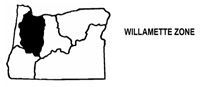
EE Wilson Wildlife Area. There are lots of deer, shorebirds and waterfowl to see on the Wildlife Area—look for goose, mallard, hooded merganser and wood duck broods. Wildlife viewing remains good for waterfowl and shorebirds. Neotropical migrants in the area include yellow-breasted chat, American goldfinch, various swallows, warblers, thrush, kinglet and common yellowthroat.
Western Painted and Western Pond Turtles On warm, sunny days Oregon’s two native species of turtles can be seen on basking on logs in ponds, lakes, and side channels of rivers and large streams. Basking is critical to a turtle’s shell health and aids in food digestion. This is also the time of the year when turtles are often spotted on land, searching for places to lay their eggs. If you see a native turtle that seems to be headed somewhere, remove any hazards in its way and let it continue.
SOUTHEAST ZONE VIEWING Harney County Waterfowl migration has stopped and most waterfowl found now will be breeding pairs on territories and initiating nesting sites. Sandhill cranes can be found in agricultural fields throughout the Harney Basin. Shorebird migration is slowing. Birding will be more difficult as birds begin to initiate nesting. Lesser yellow legs, killdeer, avocets, black-necked stilts, white-faced ibis, curlews, willets, pelicans, egrets and a variety of grebes species are a few of what can be seen. Forester’s terns, black terns, franklins, ring-billed and California gulls can also be found.
NEWTS, a type of salamander common in the Pacific Northwest, may be observed in their migration from terrestrial environs such as rotten logs and moist soil to their breeding grounds in ponds, small lakes and the edges of streams. These small amphibians may be found if you are hiking in forests during or just after it rains.
Klamath Wildlife Area Effective Jan.1, 2013, a Wildlife Area Parking Permit is required to park on the Wildlife Area. Cost is $7 daily or $22 annually. Free with purchase of hunting license. Waterfowl Great Basin Canada geese are evident with goslings in tow. Mallard, gadwall and teal can be seen with ducklings as well. White pelicans can be seen foraging for fish in many of the ponds and waterways.
Ruffed grouse courting Listen for a rhythmic drumming as you hike the forests this spring ― male ruffed grouse are out courting females and their rhythmic wing beating (drumming) is used to advertise their presence and draw females into their territories. Drumming starts with a slow but powerful wing beat every second, rapidly speeding up, and ending 8 to 11 seconds later. This acoustic “calling card” is repeated every 3 to 5 minutes in the early morning and late afternoon during the breeding season. Ruffed grouse are native to Oregon and can be easily identified by their relatively long, fan-shaped and distinctively banded tail in addition to their neck ruffs. Look and listen for these 16-19 inch long, brown or gray-brown, chicken sized birds in deciduous and mixed forest communities in western Oregon.
Klamath Falls Area Flooded pastures around the basin offer great viewing for white-faced ibis as they forage on earthworms and other insects. These birds are colony nesters and utilize wetland vegetation to nest. American white pelicans, killdeer, western grebes, Clark’s grebes and several swallow species continue in their nesting season in the Basin. The courtship rituals of both western and Clark’s grebes are both distinct and visually stunning and should not be missed by those with an appreciation of such things. Upper Klamath Lake is currently home to thousands of grebes, and viewing opportunities exist along the shore as well as from boat.


