
I can’t remember the first time I understood the high clear “SQUEAK!” which means “FLYING PREDATOR!” in ground squirrel language, but I will never forget the day it alerted me to two Bald Eagles flapping and quarreling over a piece of meat, low in the cloudy sky over my home in White Oak forest.
From
To
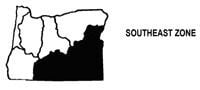
SOUTHEAST ZONE VIEWING Waterfowl spring migration has slowed and most white geese and white-fronted geese have headed migrated north. Pintail, shoveler, wigeon, mallard, gadwall, green-winged teal, cinnamon teal and a variety of diver species can still be viewed in good numbers. Sandhill cranes can be found in agricultural fields throughout the Harney Basin.
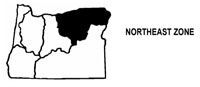
MORROW, GILLIAM and WHEELER COUNTIES Spring is in full here in the Heppner District. Sandhill cranes are still seen flying north, although in smaller flocks of birds. Pine siskins can be seen occasionally at feeders in the area. Golden crowned kinglets are also showing up in the area. Ferruginous hawks are showing up to claim nest territories and can be seen in the northern portion of the District. Red-tailed hawks, American kestrels and northern harriers can be seen throughout the District.
Harney County Resident breeding waterfowl with broods are abundant around Malheur Lake. Sandhill cranes can be found in agricultural fields throughout the Harney Basin. Lesser yellow legs, killdeer, avocets, black-necked stilts, white-faced ibis, curlews, willets, pelicans, egrets and a variety of grebes species are a few of what can be seen. Forester’s terns, black terns, franklins, ring-billed and California gulls can also be found.
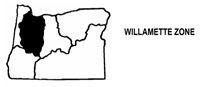
EE Wilson Wildlife Area. There are lots of deer, shorebirds and waterfowl to see on the Wildlife Area—look for goose, mallard, hooded merganser and wood duck broods. Wildlife viewing remains good for waterfowl and shorebirds. Neotropical migrants in the area include yellow-breasted chat, American goldfinch, various swallows, warblers, thrush, kinglet and common yellowthroat.
Western Painted and Western Pond Turtles On warm, sunny days Oregon’s two native species of turtles can be seen on basking on logs in ponds, lakes, and side channels of rivers and large streams. Basking is critical to a turtle’s shell health and aids in food digestion. This is also the time of the year when turtles are often spotted on land, searching for places to lay their eggs. If you see a native turtle that seems to be headed somewhere, remove any hazards in its way and let it continue.
Morrow, Gilliam and Wheeler Counties Summer is here, most of the young are leaving the nest. Fledglings can be seen in most yards. The long billed curlews have headed back to the wet areas with fledglings. Crows are starting to fledge as well.
Morrow, Gilliam and Wheeler Counties Long billed curlews can be seen in the wheat stubble fields. Mobs of ravens can be seen in the foothills, as can golden eagles. Ferruginous hawks can be seen the northern portion of the District on their nests. Short-eared owl can be seen along the grasslands of the north end of the District.
Northeast Zone VIEWING GRANT COUNTY Bighorn sheep can be viewed along the South Fork of the John Day. The first ducklings and goslings are being seen in the valley, deer, antelope, and sheep are having their young as well. As spring progresses it is important to remember to leave any baby wildlife where you found them. It usually won’t be long before mom returns to check on them. 6/3/13.
Morrow, Gilliam and Wheeler Counties The signs of spring are all here in the Heppner area. Sandhill cranes have been seen heading north for the summer. The official first sign of spring for the Heppner area, a Say’s phoebe has been seen and heard in the area. Our summer migrants are starting to appear.


