
The 3.5 earthquake felt Feb. 9 in the upper Hood River Valley is no cause for alarm, according to a seismologist with the US Geological Survey.
From
To

In October 2019, readers can look forward to KOOBDOOGA (A Good Book read backwards), where participants will read and discuss “Eruption: The U…
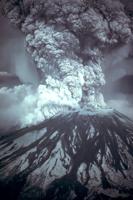
Just in time to mark the 39th anniversary Saturday, May 18, of the eruption of Mt. St. Helens, the Chronicle received a big manila envelope from a Washington man. Inside was a poem Guillermo Castaneda wrote about that sunny Sunday morning in 1980, about experiencing the “total eclipse” of ash-induced darkness that sent him and his family scurrying inside in fear.

On Sunday, May 18, 1980, at 8:32 a.m., the bulging north flank of Mount St. Helens slid away in a massive landslide — the largest in recorded history. Seconds later, the uncorked volcano exploded and blasted rocks northward across forest ridges and valleys, destroying everything in its path within minutes.
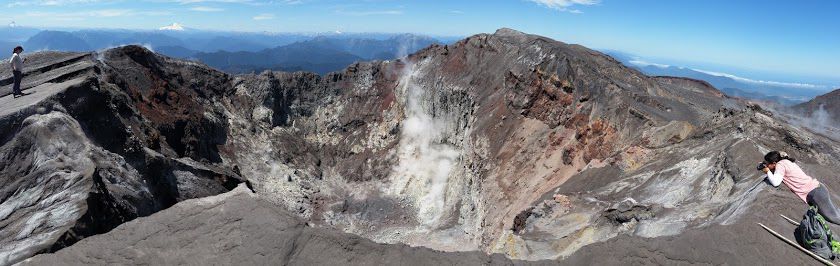
January is often a time to struggle with recently made resolutions. However, for me, every three years or so, January has meant packing my bags and field equipment and hopping a plane to the far end of South America.

Take a virtual tour of the Cascade Volcanoes with Dr. Tom Pierson on Friday, Feb. 17 at Columbia Gorge Discovery Center & Museum, 5000 Discovery Drive, The Dalles. An optional dinner begins at 6 p.m., followed by the 7 p.m. presentation.

LONGVIEW, Wash. — Ten years ago, Mount St. Helens awoke from an 18-year geological slumber.
The ground is shaking under Government Camp — even though the people who live there can barely feel it.
MOUNT SINABUNG, Indonesia (AP) — An Indonesian volcano that has been rumbling for months unleashed a major eruption Saturday, killing 14 people just a day after authorities allowed thousands of villagers who had been evacuated to return to its slopes, saying that activity was decreasing, officials said.
OSU: CORVALLIS, Ore. – For a half-million years, Mount Hood has towered over the landscape, but unlike some of its cousins in Oregon’s Cascade Mountains and many other volcanoes around the Pacific “Rim of Fire,” it doesn’t have a history of large, explosive eruptions.


